
Plants
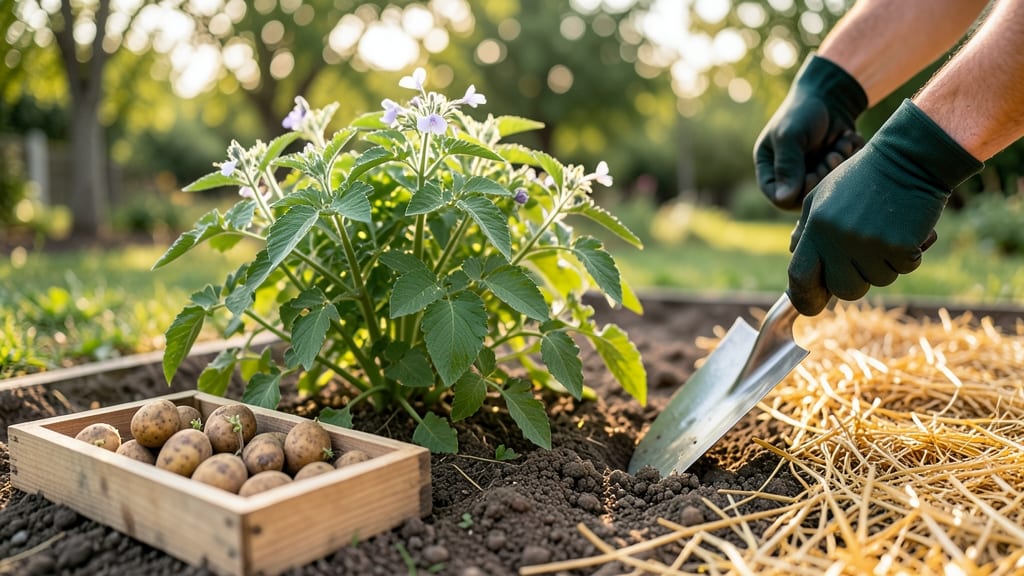
Timing your fall potato 🥔 planting in Texas isn’t just about the calendar—it’s about soil temperature triggers that make all the difference between a thriving harvest and wasted seed potatoes.
Too early, and the heat will scorch your tubers before they even sprout; too late, and frost will leave you with nothing but memories of what could’ve been.
Here’s the game-changer: Planting between September and October gives your potatoes the fast start they need in Texas’ 8a-11 zones, where soil temps drop faster than you’d expect.
But don’t just guess—learn how to check your soil’s readiness (hint: it’s not just about the air temperature) to ensure those spuds germinate in 50–65°F soil, the sweet spot for germination.
I’ve seen gardeners in North Texas rush their planting in August only to watch their potatoes rot in the heat, while those in South Texas wait until November and miss the window entirely.
The key? Adjusting for your specific region’s frost dates and using the right varieties that can handle Texas’ unpredictable swings from 90°F days to sudden freezes.
In this guide, I’ll break down the exact soil temperature triggers, regional planting calendars, and variety picks that actually work in Texas—so you can go from uncertain gardener to confident potato pro by next harvest season. Let’s get those spuds in the ground the right way.
Texas fall potato planting calendar: exact dates based on soil temperature zones
Texas’ diverse climate zones mean your fall potato planting window could span from early September in the Panhandle to late October in South Texas. The key? Soil temperature—potatoes need 50–65°F soil to germinate, and Texas’ first frost dates vary wildly.
Miss this window, and you’ll either bake your seed potatoes or lose them to frost.
I’ve broken down the ideal planting dates by region, using USDA zones 8a–11 as a guide. North Texas (zones 8a–8b) has earlier frosts (mid-November), while South Texas (zones 9a–11) can plant until mid-October without rushing.
The trick? Adjust for your local frost date—aim to harvest 4–6 weeks before frost hits.
Here’s how to align your planting with Texas’ soil temperature triggers and frost risks:
| Region | USDA Zone | Ideal Planting Window | Soil Temp for Germination | First Frost Date | Harvest Window |
|---|---|---|---|---|---|
| North Texas (Panhandle, DFW) | 8a–8b | Mid-September to early October | 50–65°F | Mid-November | Late October–mid-December |
| Central Texas (Austin, San Antonio) | 8a–9a | Late September to mid-October | 50–65°F | Late November | Mid-October–early January |
| South Texas (Houston, Corpus Christi) | 9a–11 | Early to mid-October | 55–65°F | Mid-December | Late October–mid-January |
Pro tip: Use a soil thermometer to confirm temps before planting—cold mornings can drop soil temps 10°F lower than afternoon readings. If your soil runs cooler than 50°F, wait 1–2 weeks or use black plastic mulch to warm it faster.
For North Texas gardeners, planting in early September gives you a 100-day growing season before frost. But if you’re in South Texas, you can stretch it to mid-October—just choose faster-maturing varieties (like ‘Red LaSoda’) to avoid winter chill.
One common mistake? Planting too deep in heavy Texas clay. Aim for 4 inches deep (eyes up) to balance moisture retention and drainage. In sandy soils (common in West Texas), plant 2–3 inches deep to prevent drying out.
Remember: Frost isn’t the only enemy—heat stress can also kill young potato plants. If temps rise above 90°F after planting, provide shade cloth during the day and mulch heavily to keep roots cool. This is especially critical in West Texas, where September heat can linger.
To stay on track, mark your planting date on a calendar and set a reminder for harvest time. Use a gardening journal to note soil temps, rainfall, and any pests (like Colorado potato beetles) that appear—this helps refine your timing next year.
Finally, if you’re in a transition zone (like East Texas), split your planting: 20% in early September and 80% in mid-October to hedge against early frosts or unseasonable heat. This staggered approach ensures a longer harvest window and reduces risk.
How to test soil temperature for fall potatoes (and fix common mistakes)
Testing your soil temperature before planting fall potatoes in Texas is the #1 way to avoid costly mistakes.
I’ve seen gardeners in North Texas plant too early in August only to watch their potatoes rot from overheated soil—while those in South Texas wait until November and miss the harvest window entirely. The secret? Aim for 50–65°F soil, the perfect range for germination.
Don’t rely on air temperature—soil stays 10–15°F cooler than the air, especially after sunset. A $15 soil thermometer (available at garden centers) is your best tool. Stick it 4–6 inches deep—that’s where your potatoes will sprout—and check readings at 10 AM for the most accurate results.
Pro tip: If your soil is below 50°F, wait 1–2 weeks or use black plastic mulch to warm it faster.
🚨 WARNING: Cold pockets in your garden can delay germination by weeks. I once had a raised bed in Central Texas where one side stayed 45°F while the other hit 60°F.
The solution? Test multiple spots and adjust planting times accordingly. If your soil is too cold, mix in compost or straw mulch to insulate and warm the soil naturally.
⚠️ Common Mistake: Planting Based on Air Temp
Air temperature can be misleading. A 75°F afternoon might hide 55°F soil—too cool for germination. Always check soil temp before planting to avoid slow starts or rot.
For North Texas gardeners, aim to plant by mid-September when soil temps drop below 80°F. In South Texas, wait until late September to avoid summer heat stress. If you’re in West Texas, where nights cool faster, you might even squeeze in a late October planting.
The key is consistency: Test your soil for 3 consecutive days to confirm the trend before planting.
If your soil is too warm (>70°F), try these fixes:
- Shade cloth (30–50% coverage) to lower soil temp by 5–10°F
- Plant in containers with heat-resistant fabric wrapped around the sides
- Water deeply at night to cool the soil (but avoid waterlogging)
Remember: Potatoes need 90–120 days to mature, so time your planting to finish 4–6 weeks before your first frost. In East Texas, that might mean harvesting by mid-December, while West Texas gardeners can stretch until January.
Use a frost date calculator (like the one from Texas A&M AgriLife) to pinpoint your local window.
With the right soil temp and a little patience, you’ll go from guessing to growing like a pro. Grab that thermometer, test your soil, and get those potatoes in the ground at the perfect moment for a bountiful Texas harvest! 🌱