
Vegetables
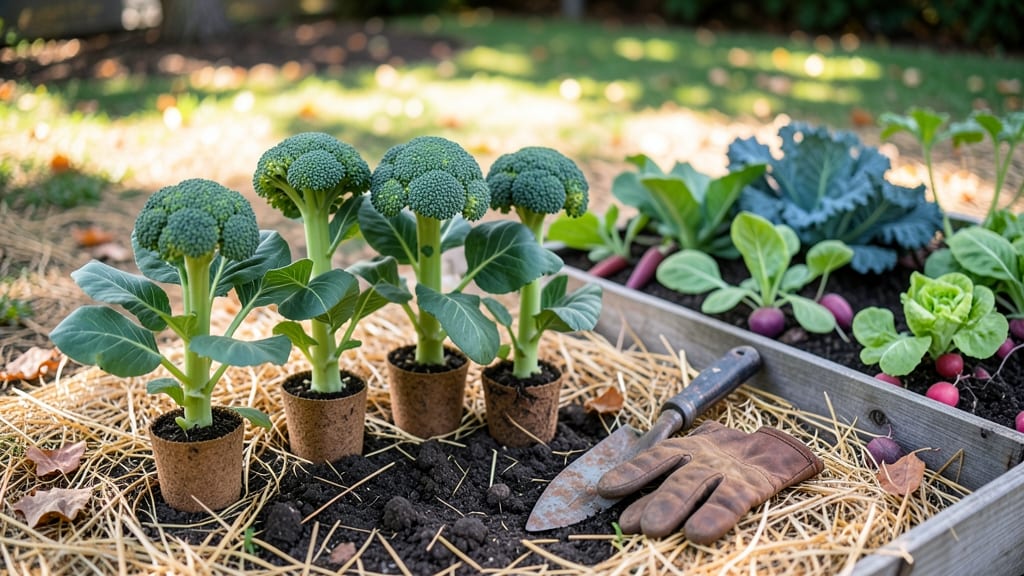
Planting your fall vegetables 🥬 in Virginia at the wrong time could mean watching your hard work vanish overnight with the first frost.
The difference between a bountiful harvest and a disappointing garden often comes down to knowing exactly when to start—especially in zones 7a-8b where frost can sneak in as early as late October.
I’ve spent years perfecting my fall planting schedule, and what I’ve learned will help you avoid common mistakes that lead to wasted seeds and empty beds. Whether you’re growing kale, broccoli, or carrots, timing is everything—especially when you’re racing against Virginia’s unpredictable first frost dates.
In this guide, I’ll break down the exact deadlines for planting in your specific zone, plus the best crops to choose for a late-season harvest. You’ll also discover how to extend your growing window with simple (but effective) tricks that keep your garden thriving well into November.
Ready to turn your fall garden into a success? Let’s get started with the first step—knowing when to plant for a harvest that beats the frost.
Virginia fall planting deadlines by hardiness zone (7a-7b)
Virginia's USDA zones 7a-7b create unique challenges for fall gardeners—the wrong timing can leave your cool-season crops vulnerable to early frosts. Most years, the first frost arrives between October 20 and November 10, but high-altitude areas (like the Blue Ridge Mountains) may experience frost 2-3 weeks earlier.
Understanding these zone-specific deadlines ensures your broccoli, kale, and carrots mature before winter sets in.
For zone 7a (northern Virginia), aim to plant transplants 4-6 weeks before your average first frost—typically by mid-August to early September. In zone 7b (central/southern Virginia), you’ve got a slightly longer window, with late August to mid-September being ideal.
Direct-sown seeds like spinach and radishes can go in 2-3 weeks before frost, giving them time to germinate and grow quickly.
Missing these deadlines? Your leafy greens may bolt (go to seed) or your root vegetables could become woody and tough. The key is soil temperature—most cool-season crops thrive when soil is between 45°F and 75°F.
Use a soil thermometer to check before planting; if temps drop below 50°F, delay until conditions improve.
Here’s the critical timeline for Virginia gardeners: August 15-31 for transplants (broccoli, cabbage), September 1-15 for direct-sown seeds (spinach, carrots), and September 15-30 for fast-growing crops like radishes and lettuce. These windows account for germination time and harvest readiness before frost.
| Crop Type | Zone 7a Deadline | Zone 7b Deadline | Soil Temp | Notes |
|---|---|---|---|---|
| Transplants (Broccoli, Cabbage, Kale) | Mid-August - Early Sept | Late August - Mid-Sept | 50°F+ | Hardened transplants survive light frost |
| Direct-Sown Seeds (Spinach, Lettuce, Carrots) | Early Sept - Mid-Sept | Late Aug - Early Sept | 60°F+ | Slow germination below 50°F |
| Fast-Growing Crops (Radishes, Turnips, Arugula) | Sept 15 - Oct 1 | Sept 1 - Oct 10 | 55°F+ | Harvest before frost for best flavor |
| Root Vegetables (Carrots, Beets, Parsnips) | Early Sept - Mid-Sept | Late Aug - Early Sept | 65°F+ | Soil must stay loose for growth |
Pro tip: Use Virginia Cooperative Extension’s frost maps to track local trends—some years, frost arrives 2 weeks early, especially in high-altitude areas.
If you’re in zone 7a near the mountains, err on the side of earlier planting (by late July) for transplants like cabbage, which can tolerate light frost once established.
For container gardening, adjust deadlines by 1-2 weeks earlier—potted plants cool faster and are more vulnerable to frost. If you’re using row covers, you can push planting dates back by 2-3 weeks, but always account for soil warmth.
Cold soil slows germination, so consider using black plastic mulch to warm the soil before planting.
Don’t forget to harden off transplants for 7-10 days before setting them in the garden. This gradual acclimation to cooler temps reduces transplant shock and improves survival rates. Start by exposing them to outdoor conditions for 2-3 hours daily, then increase exposure over the week.
If you’re in zone 7b and experience an unusually warm fall, resist the urge to plant heat-loving crops like tomatoes or peppers—they won’t have time to mature. Instead, focus on cool-season crops that thrive in 50°F-65°F soil, such as kale
Best fall vegetables to Plant in Virginia and their ideal timing
Choosing the right fall vegetables for Virginia’s climate is half the battle. The best crops thrive in cool temperatures and can handle light frosts, giving you a harvest before winter sets in.
My top picks are kale, broccoli, carrots, and spinach, all of which love Virginia’s USDA zones 7a-8b.
For maximum success, I recommend planting leafy greens like spinach and lettuce as early as mid-August, while root vegetables like carrots and beets can wait until late August. Brassicas such as broccoli and cabbage should go in the ground by early September to mature before frost.
Here’s a quick breakdown of the best crops and their planting windows to help you plan your fall garden like a pro:
- 🥬 Spinach – Plant mid-August to early September for harvest before frost. Loves cool soil (60-70°F).
- 🥦 Broccoli – Start seeds late August or transplant early September. Needs 60-75 days to mature.
- 🥕 Carrots – Sow seeds late July to mid-September. Prefers loose, well-drained soil for straight roots.
- 🥬 Kale – Plant early to mid-August. Sweeter after light frost—perfect for late-season harvests.
- 🥬 Lettuce – Direct sow late July to early September. Choose cold-hardy varieties like ‘Winter Density.’
- 🥬 Radishes – Fast-growing! Plant every 2 weeks from August to October for continuous harvests.
- 🥬 Turnips – Sow late July to mid-September. Both greens and roots are edible and frost-resistant.
- 🥬 Beets – Plant late July to early September. Harvest before hard frost for tender roots.
- 🥬 Peas – Direct sow late August to early September. Thrives in cool weather and adds nitrogen to soil.
- 🥬 Swiss Chard – Plant mid-August to early September. Stays productive well into fall and winter.
One of my favorite tricks is succession planting fast growers like radishes and lettuce every 2 weeks to ensure a steady harvest. This way, you’re never left without fresh greens as winter approaches.
For heat-sensitive crops like spinach, I always start seeds indoors in late July and transplant them outdoors once soil temperatures drop below 80°F. This gives them a head start before the heat of summer fades.
Remember, the key to a successful fall garden is soil temperature. Use a soil thermometer to ensure it’s below 80°F before planting most cool-season crops. If it’s too hot, your seeds may rot or fail to germinate.
With these frost-tolerant vegetables and precise planting times, you’ll enjoy a bountiful fall harvest—even if Virginia’s first frost arrives early. Happy planting! 🌱