
Plants
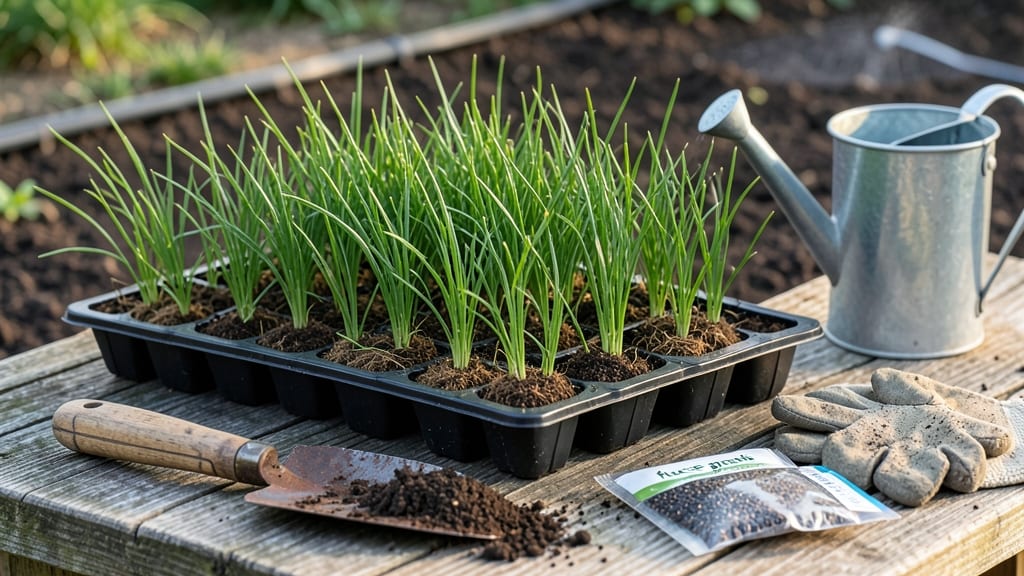
Timing your fescue grass planting in spring can make or break your lawn's success—get it wrong, and you're staring at sparse patches instead of that vibrant green carpet you dream of.
The secret lies in understanding your local climate, soil warmth, and frost risks, which vary wildly from one region to another.
I've learned the hard way that planting too early risks frost damage, while waiting too long means missed growth opportunities. Whether you're in USDA Zone 6a or further south, knowing when the ground reaches 50-65°F is the key to giving your 🌱 fescue the best start.
Let me walk you through the exact timing and conditions you need to check before breaking ground.
You might think all spring planting windows are the same, but regional differences matter more than you'd expect. Coastal areas warm up faster than inland spots, and urban heat islands can create microclimates where traditional schedules don't apply.
I'll show you how to adjust your planting timeline based on your specific location and soil conditions.
Don't worry if you're new to lawn care—this guide breaks down everything from soil temperature tests to frost-free date calculations. By the end, you'll know exactly when to plant your fescue for maximum root establishment and a lawn that stays lush all season long.
Ideal soil temperature & frost-free timeline for planting fescue
Planting fescue grass at the right time in spring ensures strong root development before summer heat arrives.
The key is waiting until your soil reaches 50-65°F—this warmth signals to seeds that conditions are safe for germination. Cold soil below 50°F can delay growth or even kill young seedlings, while waiting too long risks summer drought stress.
I’ve learned this the hard way after planting too early in chilly Zone 6a springs!
Most gardeners aim to plant fescue 4-6 weeks before the last expected frost date in their region. This window gives seedlings enough time to establish roots before summer heat peaks.
For example, if your last frost is around April 15, planting in early March might be too risky, but late March to early April is ideal. Always check your USDA hardiness zone for precise timing.
A simple way to track soil temperature is using a soil thermometer (available for $10-$15). Stick it 2-3 inches deep in your lawn area and monitor daily. Most fescue varieties prefer soil that stays consistently above 55°F for at least a week before planting.
Pro tip: Early mornings are the best time to check—soil temps can fluctuate 10°F+ between day and night.
Frost risk is the biggest enemy of early spring fescue planting. Even a light frost can damage tender seedlings, so I always wait until I’ve confirmed my region’s frost-free window.
For instance, in Zone 5, this might mean delaying until mid-May, while Zone 8 gardeners can plant as early as February. Use your local cooperative extension service for frost date averages—they’re free and reliable!
Here’s a quick rule of thumb: If your area still has 30+ days of frost risk after planting, delay your schedule. Young fescue can’t handle frost until it’s at least 3-4 inches tall.
In my experience, rushing planting to beat summer heat often backfires—patience pays off with a thicker, healthier lawn.
🌱 Fescue Planting Timeline
Ideal soil temperature & frost-free timeline for planting fescue
Planting fescue grass at the right time in spring ensures strong root establishment before summer heat arrives. The ideal soil temperature for planting ranges between 50°F and 65°F. Below 50°F, seeds may rot, while above 65°F, they risk drying out before germination.
Frost is the biggest enemy of young fescue seedlings. Aim to plant 4-6 weeks before your last expected frost date. This gives seedlings time to develop roots before summer stress sets in. Check your USDA hardiness zone to estimate your local frost-free window.
For example, in Zone 5, last frost typically occurs around May 15, so planting in early April is ideal. In Zone 8, with later frosts, wait until mid-March. Always verify with your local agricultural extension office for precise frost dates.
| Factor | Specification | Action |
|---|---|---|
| Soil Temperature | 50°F - 65°F | Use a soil thermometer |
| Last Frost Date | 4-6 weeks before | Plant after frost risk passes |
| USDA Zone 5 | Early April | Plant by April 15 |
| USDA Zone 8 | Mid-March | Plant by March 15 |
| Soil Moisture | Moist but not soggy | Water lightly before planting |
If you're unsure about soil temperature, use a soil thermometer to check 2-3 inches deep. Early morning readings are most accurate. For cooler climates, consider using row covers or straw mulch to protect seedlings from unexpected late frosts.
Remember, fescue thrives in cool-season climates. Planting too late in spring can lead to heat stress, causing the grass to go dormant prematurely. Always prioritize root establishment over rapid top growth in the first few weeks.
For best results, prepare your soil in early spring by tilling and adding compost. This gives seeds a nutrient-rich environment to germinate quickly once planted. A well-prepared seedbed is just as important as timing.
🌱