
Flowers
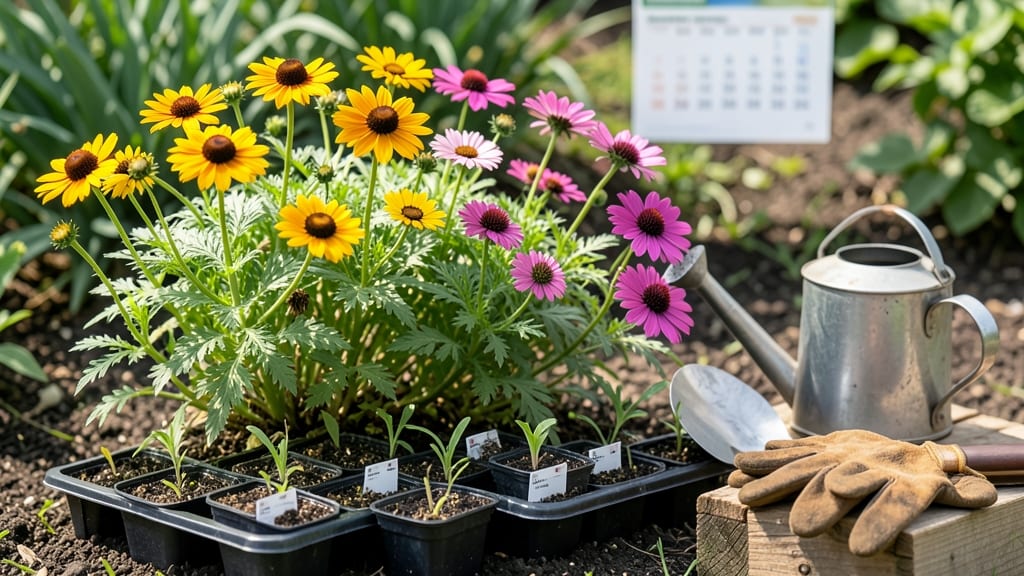
When to plant flowers in Alabama can mean the difference between a garden bursting with color and one that struggles to take root. With warm springs, long summers, and varying frost dates across zones 7a to 8b, knowing exactly when to plant is the key to vibrant blooms all season long.
I’ve spent years watching Alabama gardens transform—from wilting petunias to lush, thriving beds—just by adjusting planting schedules. Whether you’re in north Alabama’s cooler hills or south Alabama’s heat, the right month makes all the difference.
Let’s break down the best times to plant, so you can skip the guesswork and start growing with confidence.
You don’t need a green thumb to nail this—just a few simple rules tailored to your zone. From cool-season favorites like pansies to heat-loving zinnias, I’ll show you exactly when to get your 🌱 flowers in the ground for maximum impact. Ready to turn your yard into a showstopper?
Stick around, and I’ll walk you through month-by-month planting tips, regional tweaks, and even container gardening hacks. Your dream garden starts with the right timing—let’s make it happen.
Alabama planting zones: when to start flowers by region (7a-8b)
Alabama spans USDA zones 7a to 8b, meaning your planting schedule should shift depending on whether you're in northern Alabama (like Huntsville) or southern Alabama (like Mobile).
The first frost in zone 7a can arrive as early as mid-October, while zone 8b might only see light frosts in December or January. These differences dictate when to plant cool-season flowers (like pansies) versus warm-season blooms (like zinnias).
For annual flowers, timing is critical—plant too early, and a late frost will kill tender seedlings. For perennials, however, the focus shifts to establishing roots before winter dormancy. Let’s break down the best months for each zone, including frost dates and seasonal transitions that matter most in Alabama.
🌱 Key Takeaway: In zone 7a, start cool-season flowers by late February to avoid frost damage, while zone 8b gardeners can plant warm-season flowers as early as mid-March. The difference of just a few weeks can mean the difference between a thriving garden and a failed one.
| Zone | Avg. Last Frost | Best Months for Cool-Season Flowers | Best Months for Warm-Season Flowers | Zone-Specific Tips |
|---|---|---|---|---|
| 7a (North AL) | Mid-October | Late February–April | May–June | Use row covers for early spring planting; avoid planting warm-season flowers before soil reaches 60°F. |
| 7b (Central AL) | Late October | Early March–April | April–May | Perfect for pansies and snapdragons in early spring; warm-season flowers like marigolds thrive with early starts. |
| 8a (South AL) | Early December | March–April | March–April | Extend blooms with fall-planted mums; warm-season flowers can handle earlier planting due to milder winters. |
| 8b (Southwest AL) | January | February–March | February–March | Ideal for tropical flowers like hibiscus; can plant warm-season flowers year-round with protection. |
If you’re in zone 7a, focus on hardy annuals like pansies and sweet alyssum for early spring color. These flowers tolerate light frosts and bloom even when temperatures dip.
In contrast, zone 8b gardeners can enjoy longer growing seasons and experiment with tender perennials like canna lilies or ginger lilies, which thrive in the heat.
For perennials, the goal is to establish roots before winter. In zone 7a, plant daylilies and black-eyed Susans in early spring (March–April) to give them time to root before dormancy.
In zone 8b, you can plant perennials year-round, but fall planting (September–October) is ideal for minimizing stress.
One critical mistake Alabama gardeners make is planting warm-season flowers too early. Soil in zone 7a may still be too cold for seeds to germinate before mid-April. Always check soil temperature with a soil thermometer—60°F or warmer is the sweet spot for most warm-season blooms.
Container gardening adds another layer to timing. Potted flowers can be moved to sheltered spots during late frosts, giving you 2–4 extra weeks of planting flexibility. For example, in zone 7a, you might start petunias in containers in late March and move them indoors if frost threatens.
Alabama’s humidity and heat also play a role. In zone 8b
Best flowers to plant by month in Alabama (month-by-month guide)
Alabama’s long growing season means you can plant flowers almost year-round, but timing matters for vibrant blooms. February through October offer prime opportunities—each month brings different seasonal stars that thrive in Alabama’s climate. Let’s break it down by month so you can plan your garden like a pro.
Start with cool-season bloomers like pansies and snapdragons in early spring (February-March), then transition to heat-loving annuals like zinnias and marigolds by May. Fall brings chrysanthemums and asters, perfect for extending your garden’s life until frost. Container gardening also lets you adjust timing for shade-loving varieties like impatiens.
- February-March: Pansies, Violas, Calendulas (cool weather lovers)
- April: Sweet Alyssum, Petunias, Daffodils (transition to warmer soil)
- May-June: Zinnias, Marigolds, Sunflowers (heat-tolerant picks)
- July-August: Lantana, Portulaca, Cosmos (drought-resistant choices)
- September-October: Chrysanthemums, Asters, Mums (fall favorites)
For container gardens, you can plant heat-loving flowers like geraniums and begonia later in the season (June-July) when in-ground soil is too hot.
Just ensure your pots have drainage holes to prevent root rot—a common issue in Alabama’s humidity. Native flowers like black-eyed Susans and coneflowers also thrive with minimal fuss once established.
Don’t forget to rotate crops annually to prevent soil depletion. If you planted tomatoes in one spot last year, try zinnias or marigolds there this season—they’ll love the nutrient-rich soil. And if you’re new to gardening, start with easy-care annuals like impatiens or sweet peas for foolproof results.
Alabama’s humidity and heat can be tough on some flowers, so always check the back of seed packets for specific care tips. For example, zinnias need full sun but can’t handle soggy soil, while impatiens thrive in partial shade and moist conditions.
Adjust your planting schedule based on your garden’s microclimate—shadier spots may need later plantings.
By following this month-by-month guide, you’ll enjoy continuous blooms from early spring through late fall. The key is flexibility—adjust for your specific zone (7a vs. 8b) and local weather patterns. Happy planting! 🌷