
Flowers
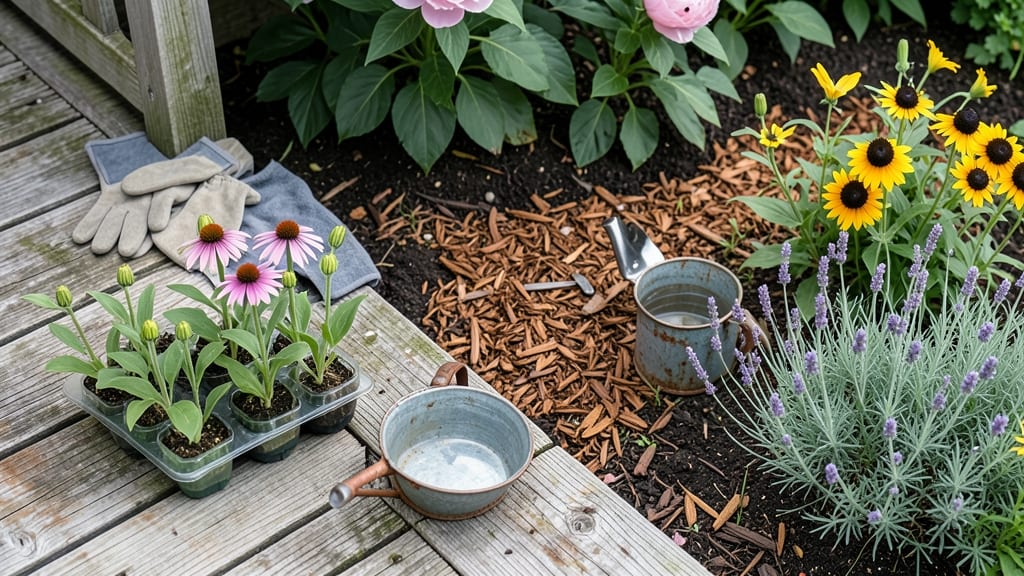
Timing your when to plant flowers in NJ can mean the difference between a vibrant garden and a sad, frost-nibbled disappointment. New Jersey’s shifting weather—especially in USDA Zones 6b and 7a—makes getting the schedule right a game-changer for your blooms.
I’ve watched too many gardeners rush spring planting only to have their 🌱 flowers wiped out by late frosts, or miss summer’s full potential by waiting too long. The secret? Planting at the right moment for each type—annuals, perennials, and bulbs—so you’re not playing catch-up with Mother Nature.
In this guide, I’ll break down the exact windows you need to know, from mid-April (when soil warms up) to early May (after the last frost). Whether you’re dreaming of bold daylilies or delicate coneflowers, these deadlines will keep your garden thriving all season.
Ready to stop guessing and start growing? Let’s dive into the perfect planting schedule for NJ’s unpredictable but beautiful climate.
NJ flower planting deadlines by bloom type (zone 6b/7a guide)
New Jersey’s USDA Zones 6b and 7a create a delicate balance—warm enough for long growing seasons but cold enough for late frosts. To avoid frost damage or missed blooms, I’ve broken down the exact planting windows for your garden.
Whether you’re growing annuals for summer color or perennials for years of blooms, these deadlines ensure success.
Most gardeners focus on last frost dates (typically mid-April to early May), but timing varies by plant type. Cool-season annuals like pansies and snapdragons can handle light frosts, while tender perennials like cannas need to wait until soil warms.
Let’s dive into the specifics so you never miss a bloom.
🌱 Pro Tip: Use row covers or cold frames to extend early planting for frost-sensitive flowers by 2-3 weeks.
| Plant Type | Best Planting Window | Key Notes |
|---|---|---|
| Cool-Season Annuals (Pansies, Snapdragons, Calendula) | Late March to April (4-6 weeks before last frost) | Tolerate light frosts (28°F). Start seeds indoors in February. |
| Warm-Season Annuals (Petunias, Marigolds, Zinnias) | After last frost (mid-May to early June) | Soil must be 60°F+. Use row covers if planting early. |
| Perennials (Coneflowers, Daylilies, Black-Eyed Susans) | Spring (April-May) or Fall (September-October) | Fall planting gives roots time to establish. Divide overcrowded perennials in early spring. |
| Spring-Blooming Bulbs (Tulips, Daffodils, Hyacinths) | Fall (October-November) | Plant 6-8 weeks before ground freezes. Bulbs need chill time to bloom. |
| Fall-Blooming Bulbs (Crocus, Fall Daffodils, Toad Lilies) | Late Summer (August-September) | Plant 4-6 weeks before first frost. These bulbs thrive in cool fall soil. |
| Tender Perennials (Canna Lilies, Dahlia, Gladiolus) | After last frost (May-June) | Dig up and store tubers in fall. These need warm soil to thrive. |
For annuals, the last frost date is your golden rule—wait until mid-May for most varieties, but coastal NJ (like Cape May) can plant 2 weeks earlier. Inland areas (e.g., Morristown or Newark) should hold off until early June for heat-loving flowers like geraniums or salvia.
If you’re a last-minute planter, don’t panic! Many annuals (like cosmos or sunflowers) self-seed and bloom 60-70 days after planting. Even if you miss the ideal window, you can still enjoy late-season color by choosing fast-growing varieties.
🌿 Warning: Avoid planting tender annuals before Memorial Day—late frosts in Zone 6b can still occur, and these plants won’t bounce back.
Perennials offer more flexibility. Spring-planted perennials (like black-eyed Susans) establish roots quickly, while fall-planted perennials (such as sedum) benefit from cooler temps and fewer pests. For bulbs, fall planting is non-negotiable—they need 6-8 weeks of chill to produce flowers the following spring.
To stay on track, mark your calendar for these NJ-specific deadlines:
- March 15-April 15: Plant cool-season annuals and spring bulbs (if not already in ground).
- April 15-May 15: Divide perennials and plant hardy perennials.
- May 15-June 1
How to adjust planting times for NJ’s microclimates (coastal vs. inland)
New Jersey’s diverse geography means coastal areas near the Jersey Shore enjoy 2-3 weeks longer growing seasons than inland regions around Trenton or Newark. These microclimates create critical timing differences—planting petunias or marigolds too early in Zone 6b (northwest NJ) could mean frost damage, while coastal gardeners might rush fall plantings if they ignore local delays. Let’s break down the key adjustments to protect your blooms year-round. For coastal NJ (Zones 7a-7b), aim to plant tender annuals like geraniums and impatiens 2 weeks earlier than inland zones. The Atlantic Ocean’s moderating effect keeps soil warmer longer—ideal for starting seeds indoors by mid-March instead of late March. Meanwhile, inland gardeners should wait until after Memorial Day (mid-May) to transplant tomatoes or peppers, as cold snaps can linger into early May.| Factor | Coastal NJ (Zones 7a-7b) | Inland NJ (Zones 6b-7a) |
|---|---|---|
| Last Frost Date | April 15–May 1 | April 30–May 15 |
| First Frost Date | November 15–December 1 | October 15–November 15 |
| Spring Planting Window | March 15–April 30 | April 15–May 15 |
| Fall Planting Window | August 15–September 30 | July 30–August 30 |
| Soil Warms to 60°F | Early April | Late April |
🌱 Use Rutgers NJAES frost maps to verify local adjustments
💡 Pro Tip: Use row covers or cold frames to push inland planting 2 weeks earlier for heat-loving flowers like zinnias.
Adjusting for NJ’s microclimates turns guesswork into guaranteed blooms. Start with these zone-specific deadlines, then tweak based on your yard’s unique conditions. Your garden will thank you with longer seasons and healthier plants—no frost surprises included! 🌿