
Flowers
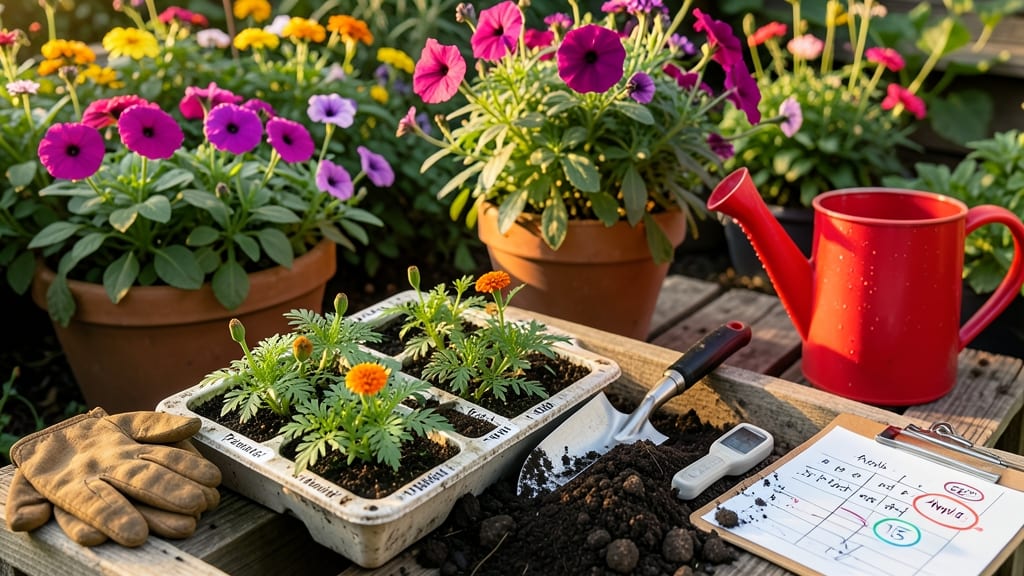
Timing your flowers planting in Philadelphia isn't just about luck—it's about knowing when to act to avoid frost damage and maximize blooms. With USDA Zone 7a's unpredictable spring weather, getting the window right means the difference between a thriving garden and wilted petals.
Most gardeners wait until after the last frost date (around April 15) to plant warm-season annuals like petunias and marigolds, but cool-season flowers like pansies can go in as early as March.
The key is understanding your microclimate—urban areas may warm up faster than suburban spots, so pay attention to local cues.
In this guide, I'll break down the best planting months for every type of flower in Philly, from bulbs to perennials, plus pro tips to extend your blooming season.
Whether you're a beginner or a seasoned gardener, these strategies will help you plant with confidence and enjoy flowers from spring through fall.
Ready to transform your garden? Let's dive into the perfect planting schedule tailored just for Philadelphia's climate—no more guesswork, just stunning results.
Philadelphia’s zone 6B frost dates: when to plant flowers for zero-frost risk
Philadelphia’s Zone 6B climate means frost can linger until mid-April, but with the right timing, you can enjoy continuous blooms from spring through fall. The average last frost date is April 15, but temperatures can fluctuate—so always check your local forecast before planting.
Waiting until after May 15 ensures zero frost risk for most flowers.
For annual flowers, like petunias and marigolds, the safest window is after May 15, when soil temperatures stay above 60°F. Perennials and spring-blooming bulbs, however, can often handle earlier planting—even as early as March 15—if you use row covers or cold frames for protection.
Fall planting is equally critical. Start late summer annuals, like cosmos and zinnias, in August for fall color, and plant hardy perennials like chrysanthemums by September 15 to establish roots before winter.
Avoid planting after October 15, as young plants may not survive Philadelphia’s first frost, typically around November 1.
🌱 Philadelphia’s Frost Timeline (Zone 6B)
| Season | Planting Window | Frost Risk | Best Flowers |
|---|---|---|---|
| Early Spring | March 15–April 15 | High (use covers) | Pansies, tulips, daffodils |
| Late Spring | April 15–May 15 | Moderate (check forecast) | Peonies, irises, sweet peas |
| Summer | May 15–August 15 | Low (zero risk) | Petunias, zinnias, sunflowers |
| Fall | September 1–October 15 | Moderate (early frost risk) | Chrysanthemums, asters, mums |
If you’re unsure about frost dates, use the 10-day forecast rule: Plant when the forecast shows no frost for the next 10 days. Philadelphia’s urban heat island effect can delay frosts by a week or more in city centers compared to suburbs, so adjust accordingly.
For bulbs like tulips and daffodils, plant in October or November for spring blooms. These hardy plants need 6–8 weeks of cold to trigger flowering, so don’t wait too late. Divide perennials like daylilies in early spring or fall to keep them vigorous.
Soil temperature is just as important as air temperature. Use a soil thermometer to confirm it’s above 60°F before planting heat-loving annuals like geraniums or impatiens. Cool soil can stunt growth, even if the air feels warm.
Pro tip: Hardened-off seedlings (plants acclimated to outdoor conditions) can handle light frosts after planting. Gradually expose them to outdoor conditions over 7–10 days before transplanting to avoid shock.
Remember, Philadelphia’s microclimates vary—south-facing gardens warm up faster, while shaded areas stay cooler. Use these guidelines as a starting point, then adjust based on your specific location’s sun exposure and wind patterns.
By following these Zone 6B frost dates and planting windows, you’ll maximize your garden’s bloom time and minimize frost damage. Start with cool-season flowers in early spring, transition to summer annuals, and wrap up with fall favorites for a garden that thrives year-round.
Best flowers to plant by month in Philadelphia’s climate
Philadelphia’s Zone 6B climate offers a 165-day frost-free window, giving you two prime planting seasons: spring (March-May) and fall (September-October). Each month brings different opportunities for vibrant blooms—from hardy cool-season flowers in early spring to heat-loving annuals in summer.
Timing matters because late frosts can still hit until April 15, while urban heat islands may extend growing seasons by 1-2 weeks. Let’s break down the best flowers to plant each month, tailored to Philadelphia’s unique microclimates.
For urban gardens, consider container-friendly flowers like nasturtiums or bacopa, which thrive in pots and can be moved to cooler spots if needed. Always check seed packets for days-to-maturity—aim to plant 60-90 days before first frost for summer blooms.
Pro tip: Succession plant fast-growing annuals like zinnias every 2-3 weeks from May through July to keep your garden blooming nonstop. And don’t forget perennials—plant coneflowers or black-eyed Susans in early spring for low-maintenance color that returns yearly.
Philadelphia’s humid summers can stress some flowers, so prioritize drought-tolerant varieties like lavender or Russian sage for high-heat areas. Mulch with 3 inches of organic matter to retain moisture and regulate soil temperature.
🌿