
Flowers
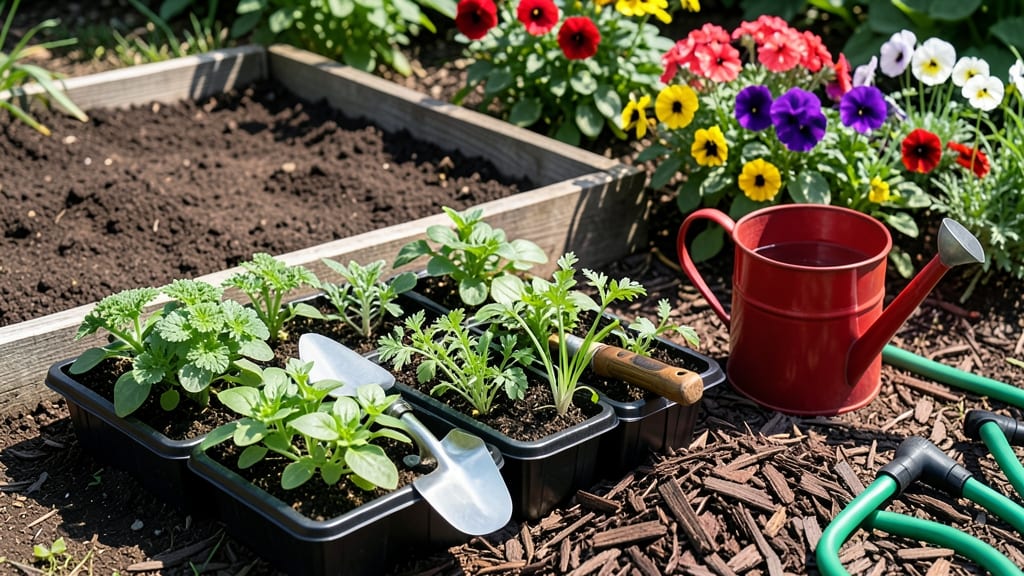
Timing your flowers' planting in Seattle isn't just about following a calendar—it's about outsmarting the city's famously unpredictable weather. With mild winters that can sneak frost into March and rainy springs that delay soil warming, getting it wrong means watching your 🌸 blooms struggle or fail entirely.
But here's the good news: Seattle's 8a climate actually works in your favor if you know the tricks. Unlike hotter zones, you can stretch your planting season longer than most places, and certain hardy varieties thrive in our damp, cool air.
The key? Understanding when to plant annuals (like pansies in March) versus perennials (which often prefer fall), and how to protect tender seedlings from those infamous late spring chills.
I've spent years testing what works in Seattle gardens—from urban balconies to rural plots—and what doesn't. What I'm about to share will help you avoid the most common mistakes, like planting too early when the soil's still cold or waiting too long and missing the perfect window for fall color.
Let's cut through the guesswork so you can enjoy nonstop blooms from spring through fall.
You'll discover the exact planting windows for your favorite flowers, how to adjust for Seattle's microclimates (those South End heat pockets vs. rainy U-District slopes), and simple strategies to extend your season. Ready to transform your garden into a year-round showstopper? Let's get started.
Seattle’s frost-free planting zones: when to start annuals vs. perennials
Seattle’s USDA Hardiness Zone 8a and coastal climate create unique challenges for gardeners. Unlike inland areas, Seattle’s last frost date typically lands around March 15, but microclimates like the U-District can experience frost weeks later than the South End. Understanding these variations ensures your annuals and perennials thrive.
Annuals like petunias and marigolds need to be planted after the last frost when soil temperatures hit 50°F or warmer. Perennials, such as lavender and coneflowers, are hardier and can often handle early spring plantings as long as they’re established before late April to avoid heat stress.
Here’s how Seattle’s microclimates affect planting times:
| Plant Type | Ideal Planting Window | Soil Temp Requirement | Microclimate Notes |
|---|---|---|---|
| Annuals (e.g., pansies, geraniums) | March 20 – May 10 | 50°F+ | Avoid U-District until mid-April due to late frosts. |
| Perennials (e.g., peonies, black-eyed susans) | March 1 – April 30 | 45°F+ | South End can plant earlier; Ballard may need row covers. |
| Bulbs (e.g., tulips, daffodils) | September – October (fall) or March (spring) | 55°F+ | Fall planting preferred; spring bulbs risk rot in soggy soil. |
Seattle’s 180 frost-free days mean you can enjoy two planting seasons: spring and fall. However, late May heatwaves can stress newly planted flowers, so opt for heat-tolerant varieties like zinnias or portulaca if planting after May 15.
For container gardening, which is popular in Seattle’s urban areas, start annuals 4-6 weeks earlier indoors to extend your blooming season. Use heat-matted trays to warm soil faster and avoid cold soil shock.
Perennials benefit from early fall planting (August–September) to establish roots before winter. This is especially true for drought-tolerant perennials like sedum or Russian sage, which thrive in Seattle’s dry summers.
Always check soil moisture before planting—Seattle’s acidic, clay-heavy soil can cause root rot if too wet. Amend with compost or peat moss to improve drainage. For windy areas (like Magnolia or Green Lake), use windbreaks or low-growing flowers like ajuga to protect delicate stems.
Pro tip: Use a soil thermometer to confirm 50°F soil temps before planting heat-sensitive annuals. This small tool saves you from failed blooms due to premature planting.
Seattle’s variable weather means flexibility is key. Monitor local forecasts and adjust planting dates by 1-2 weeks if late frosts or unseasonable warmth occur. With the right timing, your garden can burst into color from spring pansies to fall mums.
Month-by-month flower planting calendar for Seattle gardens
Seattle’s flower planting calendar isn’t one-size-fits-all—it’s a dynamic guide that shifts with the city’s microclimates and unpredictable weather. While most gardeners focus on spring, Seattle’s mild winters and long growing season let you plant flowers in both spring and fall.
The key is knowing which blooms thrive in each season and how to protect them from late frosts or summer heatwaves.
I’ve broken down the best months to plant flowers in Seattle, from hardy pansies in March to heat-loving dahlias in June, plus container gardening hacks for urban balconies.
This calendar accounts for Seattle’s average last frost date (March 15) and first frost (November 15), but always double-check your specific neighborhood—South End gardens can be 10°F warmer than rainy U-District slopes.
Pro tip: Seattle’s container gardens give you flexibility—you can plant petunias in May and move them to a sheltered spot if a late frost threatens. For in-ground plantings, always amend soil with compost before planting, especially in urban areas with compacted soil.
And don’t forget to water deeply after planting—Seattle’s windy springs can dry out young seedlings faster than you think.
By following this calendar, you’ll avoid the most common mistakes—like planting tender annuals too early or missing the fall planting window for perennials. Next, we’ll explore how to extend Seattle’s growing season so you can enjoy blooms even longer.