
Plants
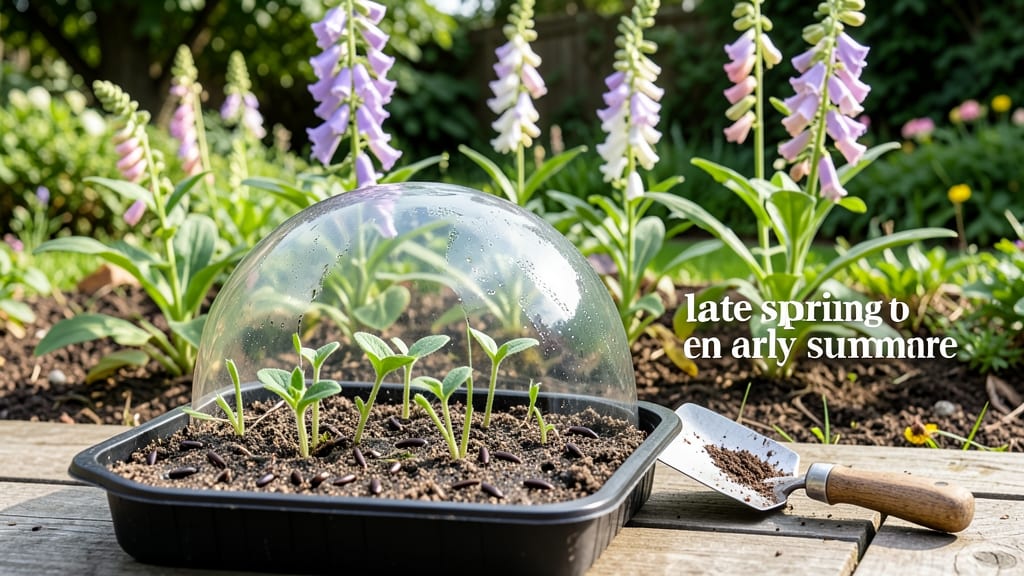
If you're wondering when to plant foxglove seeds in Zone 7, timing is everything—especially when those delicate 🌸 spikes take two years to reward you with blooms. Plant too early, and frost zaps your seedlings; too late, and summer heat stalls germination.
The sweet spot? Late summer to early fall, when soil temps dip but danger of frost lingers.
Here's the catch: foxglove seeds need cold stratification to break dormancy, which is why a cold-frame trick becomes your secret weapon. By starting seeds in August under protective glass, you mimic winter's chill while keeping them safe from Zone 7's unpredictable swings between 90°F days and sudden cold snaps.
This isn't just about throwing seeds in the ground and hoping. We're talking precision: sowing at 1/4-inch depth, monitoring soil moisture like a hawk, and knowing exactly when to transition seedlings to outdoor beds. Skip these steps, and you might as well be gambling with your garden's future.
Let me show you the exact schedule that turns slow germination into a predictable process—so you're not left staring at empty soil come spring. The right timing isn't just about months; it's about understanding your Zone 7 microclimate and working with nature's rhythm.
Best planting times for foxglove seeds in Zone 7: indoor vs outdoor strategies
Foxglove (Digitalis) seeds thrive in Zone 7 when planted at the right time—either indoors for early starts or directly outdoors after summer heat subsides. Since foxglove is a biennial, timing matters for second-year flowering.
In Zone 7, where last frost hits mid-November and first frost arrives mid-March, you’ve got two main strategies: indoor sowing or direct outdoor sowing.
Indoor starts give you a head start, but foxglove seeds need cold stratification to break dormancy. Skipping this step means waiting months for germination. Meanwhile, outdoor sowing avoids transplant shock but risks late-season heat stress if planted too early. Let’s break down the best windows for each method.
| Method | Best Planting Window | Key Considerations | Zone 7 Specifics |
|---|---|---|---|
| Indoor Start | Late February to early March | Requires cold stratification (4-6 weeks at 35-40°F) | Transplant outdoors after last frost (April) |
| Direct Outdoor Sowing | Late August to early September | Avoids transplant shock; seeds need warm soil | Germinates in 2-4 weeks; overwinters as rosette |
| Late Spring Sowing | May (risky) | Slow germination; may not flower until year 3 | Only for experienced gardeners with shade protection |
For indoor starts, I recommend sowing seeds in late February to give them enough time to develop strong roots before transplanting. Place them in a cold frame or refrigerator for 4-6 weeks to mimic winter conditions.
This stratification trick mimics nature’s way of breaking dormancy, ensuring faster germination once you move them to warmer conditions.
If you prefer direct outdoor sowing, aim for late August to early September in Zone 7. This timing avoids the scorching summer heat while giving seeds enough warmth to germinate before winter sets in. The seeds will overwinter as a basal rosette and flower in their second year.
Zone 7 gardeners often face variable spring weather, so flexibility is key. If you miss the ideal window, don’t panic—foxglove is resilient. However, planting too late (after mid-September) risks weak seedlings that may not survive winter. Always monitor soil temperatures; foxglove seeds need 50-60°F soil to germinate.
Another pro tip: Use a seedling heat mat for indoor starts to maintain consistent 60-65°F soil temps. This small investment can cut germination time from 6-8 weeks to just 3-4 weeks. Pair this with a humidity dome to keep moisture levels high until seeds sprout.
For gardeners in microclimates (like urban heat islands or shaded spots), adjust timing by 1-2 weeks. If your area stays warmer longer, push outdoor sowing to early October. Conversely, cooler microclimates may need an earlier indoor start in January.
Remember, foxglove seeds are light-sensitive. Plant them just ¼ inch deep—any deeper, and they won’t have enough light to break through the soil. Once sprouted, thin seedlings to 12 inches apart to give them room to grow into those iconic 3-6 foot spikes.
🌱
Cold-frame germination hacks: how to speed up foxglove seed sprouting in Zone 7
Foxglove seeds in Zone 7 need a cold-frame trick to break dormancy faster—without it, you might wait 6-8 months for those first sprouts. The secret? Mimicking nature’s winter stratification while protecting seeds from Zone 7’s unpredictable swings between 90°F days and sudden 40°F nights.
A cold frame acts like a mini-greenhouse, trapping heat during the day and cooling at night to simulate ideal conditions.
Start by filling your cold frame with a well-draining soil mix (equal parts peat moss, perlite, and compost). Plant foxglove seeds just ¼ inch deep in late summer (August-September) when soil temps hover around 60-65°F.
This timing ensures seeds get the warmth they need to start before winter’s chill sets in.
🌱 Step-by-Step Cold-Frame Success
- Step 1: Sow seeds in late August when soil is 60-65°F.
- Step 2: Cover with ¼ inch of soil and mist lightly.
- Step 3: Place cold frame in partial shade (foxglove hates direct sun at this stage).
- Step 4: Vent the frame daily to prevent fungus gnats and maintain 60% humidity.
- Step 5: Once sprouts appear (2-4 weeks), harden off seedlings by gradually removing the cold frame lid.
- Step 6: Transplant outdoors after last frost (mid-April in Zone 7).
Monitor soil moisture like a hawk—foxglove seeds rot quickly if overwatered. Use a moisture meter to keep soil consistently damp (not soggy). In Zone 7’s dry spells, water in the early morning to prevent fungal diseases.
A drip irrigation system works best, delivering water directly to the soil without disturbing seedlings.
Pro tip: Add a layer of straw mulch (2 inches) around seedlings to insulate roots during temperature swings. This also suppresses weeds and retains moisture. If your cold frame gets too hot (above 75°F), shade it with frosted window film to diffuse sunlight without blocking light completely.
Transitioning seedlings outdoors is critical. Start by placing them in the cold frame during the day and bringing them back in at night for 1-2 weeks before leaving them outside permanently. This gradual acclimation prevents shock and ensures strong root development before winter’s final frost.
🌿