
Plants
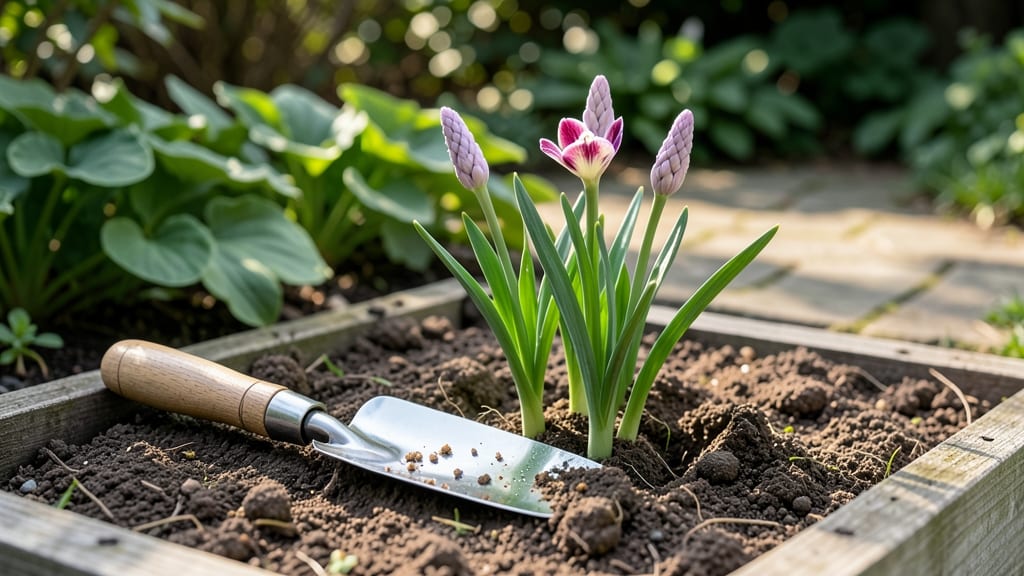
If you’ve ever dreamed of filling your UK garden with fragrant 🌸 freesias but hesitated because of timing, you’re not alone—getting the planting window wrong can mean lost blooms.
The secret to success lies in understanding when to plant freesias in the UK, where frost dates vary wildly from London to Cornwall, and bulbs need just the right conditions to thrive.
Freesias are delicate but rewarding, blooming in spring with their signature sweet scent—but they demand precision. Plant too early, and a late frost will kill your bulbs before they even sprout.
Too late, and you’ll miss their March-May flowering season, leaving your garden empty when it should be bursting with color. The ideal window? Late summer to early autumn, but regional differences mean your exact deadline could be weeks apart from a neighbor’s.
In this guide, I’ll break down the exact months to plant in your area—whether you’re in frost-prone London (USDA Zone 8a) or milder Cornwall (Zone 9b).
You’ll also discover soil prep tricks, frost protection hacks, and how to coax those vibrant blooms from your bulbs without the guesswork.
Ready to transform your garden into a fragrant spring paradise? Let’s dive into the frost-free deadlines and care tips that’ll make your freesias thrive.
UK frost-free deadlines for planting freesias by region
Freesias (🌸) thrive in the UK’s mild climate, but their frost-sensitive bulbs demand precise planting timing. Unlike hardy daffodils, freesias need 6-8 weeks of frost-free growth before blooming. Plant too early, and winter frost will kill emerging shoots; too late, and you’ll miss spring’s March-May flowering window.
Let’s break down the critical planting deadlines by UK region.
The UK’s last frost dates vary dramatically—Cornwall’s coastal warmth allows planting 4-6 weeks earlier than Scotland’s highlands. Even within England, London’s February 15 last frost contrasts with Yorkshire’s March 1 average. Use these regional guidelines to align planting with your local frost-free period.
🌱Visual Guide: Below is a comparison table showing the ideal planting windows for England, Scotland, Wales, and Northern Ireland, adjusted for microclimates (coastal vs. inland).
| Region | Last Frost Date | Ideal Planting Window | Soil Temp Threshold | Microclimate Adjustment |
|---|---|---|---|---|
| England (South: London, Kent) | Mid-February | Late August - Early September | 10°C (50°F) | Coastal: 2 weeks earlier |
| England (North: Yorkshire, Manchester) | Early March | Mid-September - Early October | 10°C (50°F) | Inland: 1 week later |
| Scotland (Edinburgh, Glasgow) | Late March | Early October - Mid-October | 8°C (46°F) | Highlands: 2 weeks later |
| Wales (Cardiff, Snowdonia) | Early March | Late September - Early October | 9°C (48°F) | Mountainous: 1 week later |
| Northern Ireland (Belfast) | Mid-February | Late August - Early September | 10°C (50°F) | Coastal: 1 week earlier |
| Cornwall (Southwest England) | January 15 | Early August - Late August | 11°C (52°F) | Coastal warmth: 3 weeks earlier |
🌡️ Key: Soil temp must stay above 8°C (46°F) for 6+ weeks post-planting.
For coastal areas like Cornwall or Norfolk, freesias can even handle early August planting—their mild winters reduce frost risk. In contrast, highland Scotland gardeners should wait until October to avoid winter damage. Always check your local Met Office frost forecasts for fine-tuning.
🌿Pro Tip: Use black polythene mulch in colder regions to raise soil temperatures by 2-3°C, extending your planting window by 1-2 weeks. This trick works wonders in USDA Zone 8a areas like London.
Even within a region, microclimates matter. A sheltered south-facing garden in Yorkshire might support September planting, while a frost pocket in the same county could delay planting until October. Observe your garden’s frost patterns over 3 years to refine timing.
🔍Warning: November planting is risky except in Zone 9b+ (e.g., Cornwall). Bulbs need 6-8 weeks to establish roots before winter dormancy. If you miss the October deadline, opt for container growing and move pots indoors during frost.
🌱Soil Prep Matters: Freesias hate waterlogged soil. In wet regions (e.g., Wales, Northwest England), plant bulbs in raised beds or on slopes to improve drainage. Add perlite or grit to heavy clay soils to mimic their sandy native habitat.
📅Planting Calendar: Mark your calendar for September 15 as the UK-wide safe deadline. After this date, only Zone 9b+ gardeners (e.g., Cornwall) should plant. Use this as your absolute cutoff to avoid frost damage.
UK frost-free deadlines for planting freesias by region
Freesias thrive when planted after the summer heatwave has passed but before winter frosts arrive—typically between late August and October in the UK. However, your exact deadline depends on where you live. Coastal areas like Cornwall enjoy milder winters, while inland regions such as the Midlands face earlier frosts.
Missing this window means risking bulb rot from wet soil or frost damage before blooming season.
To simplify, I’ve mapped out the last safe planting dates for major UK regions, accounting for average first frost dates and soil temperatures. For example, London gardeners should aim to plant by mid-October, while those in Cornwall can push it to early November.
Scotland’s shorter growing season demands even earlier action—by late September in most areas.
| Region | USDA Zone | Ideal Planting Window | Last Safe Date | Frost Risk |
|---|---|---|---|---|
| London & Southeast England | 8a | Late August - Mid October | October 15 | High (frost by Nov 15) |
| Cornwall & Southwest England | 9b | Late August - Early November | November 5 | Moderate (frost by Dec 1) |
| Midlands & East Anglia | 8a-8b | Late August - Early October | October 1 | High (frost by Nov 1) |
| Scotland (Lowlands) | 7b-8a | Mid August - Late September | September 30 | Very High (frost by Oct 15) |
| Northern Ireland & Wales | 8a | Late August - Mid October | October 10 | High (frost by Nov 10) |
Microclimates matter too—coastal gardens near the English Channel or Irish Sea stay warmer longer, while inland valleys can freeze weeks earlier. If you’re unsure, check your local Met Office frost dates or ask neighbors with established freesia beds.
For extra safety, plant a few bulbs in containers so you can move them indoors if frost threatens.
Pro tip: Soil temperature is just as critical as air temperature. Freesias need soil at 10°C (50°F) or warmer to root properly. Use a soil thermometer to confirm—cool soil delays growth and increases frost vulnerability.
If your soil is still chilly by October, hold off until early November in milder zones.
Once planted, mulch with straw or leaves to insulate bulbs from temperature swings. This simple step can mean the difference between frost-killed bulbs and vibrant spring blooms. For high-risk areas, consider a fleece cover until March—it’s your best defense against unpredictable UK weather.