
Trees
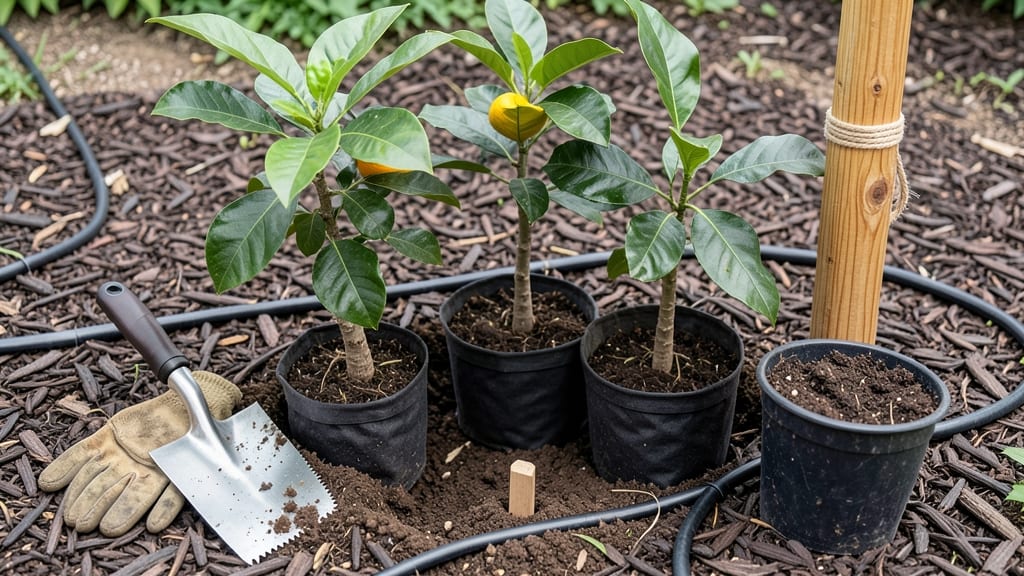
Timing your fruit tree planting in Southern California wrong can mean the difference between a thriving orchard and a sad, frost-bitten sapling. With our warm winters and varied microclimates, there's actually a perfect window to get those roots established before summer's heat kicks in.
I've seen too many gardeners rush planting in late spring only to watch their trees struggle through our dry summers. The key isn't just picking a season - it's understanding how coastal breezes, inland valleys, and desert zones each create their own ideal timing.
Let me show you exactly when to plant for each region to give your trees the best possible start.
What most people don't realize is that the right month depends on whether you're near the coast or inland. Coastal areas can handle slightly later plantings, while inland zones need trees in the ground before March's last frost warnings.
I'll break down the exact windows that work for each microclimate so you can avoid common mistakes that waste both time and money.
Once you master these timing secrets, you'll be rewarded with stronger trees, fewer pests, and fruit production that starts sooner. The best part? These strategies work whether you're planting citrus, stone fruits, or avocados. Let's get your fruit trees off to the right start this season.
Optimal planting windows by Southern California microclimate zones
Southern California’s diverse microclimates—from frost-prone inland valleys to mild coastal regions—mean one planting window doesn’t fit all. Coastal areas like San Diego and Santa Barbara (USDA Zone 10-11) enjoy frost-free winters, while inland zones like Los Angeles and Riverside (Zone 9-10) face occasional light frost.
Timing matters because root establishment happens fastest in spring’s mild temps, but summer heat can stress young trees. Let’s break it down by zone to avoid wasted effort and ensure year-round fruit production.
For coastal regions, the best planting window stretches from November to March, avoiding summer’s heat stress and winter’s heavy rains. Inland areas should plant November to February, prioritizing early spring to outpace frost risk.
Desert regions like Palm Springs (Zone 11) can plant year-round, but spring or fall minimizes water stress. The key? Soil temperature—aim for 60°F+ to kickstart root growth.
🌱 Southern California Fruit Tree Planting Windows by Microclimate
| Zone | Region Examples | Best Planting Months | Avoid Planting | Key Consideration |
|---|---|---|---|---|
| 10-11 | Coastal (San Diego, Santa Barbara) | Nov–Mar | Jun–Sep | Frost-free; summer drought risk |
| 9-10 | Inland (LA, Riverside, San Bernardino) | Nov–Feb | Apr–May | Light frost risk; spring heat stress |
| 11 | Desert (Palm Springs, Coachella) | Year-round (best: Mar–Apr or Oct–Nov) | Jun–Aug | Extreme heat; water scarcity |
💡 Pro Tip: Use bare-root trees in winter (Dec–Feb) for cooler soil and higher survival rates.
Why does this matter? Coastal citrus trees, like lemon or orange, thrive when planted in late fall to establish roots before summer’s dry heat. Inland stone fruits (peaches, plums) need early spring planting to avoid late frost damaging blossoms.
Desert avocados? Plant in spring to escape summer’s scorching sun. Each microclimate’s unique challenges dictate the perfect window.
Don’t overlook soil preparation—whether you’re in Zone 9 or 11. Amend clay-heavy soils (common inland) with compost to improve drainage, while sandy coastal soils benefit from orgainc mulch to retain moisture. pH levels also vary: Citrus loves 6.0–7.0, while avocados prefer 6.0–7.5.
Test your soil 4–6 weeks before planting to adjust nutrients.
Another critical factor? Water availability. Coastal areas can rely on rainfall during winter planting, but inland zones may need drip irrigation to keep soil consistently moist for the first 3 months.
Desert regions? Deep watering every 2–3 days is non-negotiable. Overwatering causes root rot, while underwatering stresses young trees. Aim for 1–1.5 inches of water per week, adjusting for heatwaves.
Let’s talk tree size, too. Dwarf varieties (like ‘Improved Meyer Lemon’) establish faster and bear fruit sooner, making them ideal for container growing in urban areas. Standard-sized trees (e.g., ‘Valencia Orange’) need more space and time to mature, so plant them 6–12 months earlier than dwarf types. Semi-dwarf trees strike a balance—plant them in late winter for spring harvests.
One common mistake? Planting too late in summer. August–September heat spikes stress young trees, even in Zone 11. Instead, opt for fall planting (Oct–Nov) to let roots acclimate before winter.
Another pitfall? Ignoring windbreaks. Coastal areas with strong ocean breezes should plant trees sheltered by fences or hedges to prevent
Optimal planting windows by Southern California microclimate zones
Southern California's microclimates create dramatic differences in planting success. The coastal areas like Santa Barbara and San Diego enjoy milder winters, while inland valleys (San Fernando, Coachella) face occasional frost. Desert regions like Palm Springs have their own unique timing needs.
I've planted trees in all three zones and can tell you: getting the timing right means the difference between a thriving orchard and a struggling sapling.
For coastal zones (USDA 9-10), your best window is November through March. The ocean breezes moderate temperatures, giving young roots time to establish before summer's heat.
Inland valleys (USDA 9-10) should plant October through February to avoid late winter frosts. Desert areas (USDA 10-11) can extend planting until March thanks to their warmer winters.
| Zone Type | USDA Zone | Best Planting Window | Key Consideration |
|---|---|---|---|
| Coastal | 9-10 | Nov-Mar | Ocean breezes prevent frost |
| Inland Valleys | 9-10 | Oct-Feb | Late frost risk after Feb 15 |
| Desert | 10-11 | Oct-Mar | Warmer winters allow later planting |
The soil temperature is your most reliable guide. For all zones, wait until the soil reaches 60°F (15°C) at 6 inches deep. I use a soil thermometer to check - this ensures roots establish quickly before summer heat arrives.
Coastal areas can sometimes plant as late as early April, but inland zones should have trees planted by February 28th to avoid frost damage.
One mistake I see often is planting citrus trees too late. Their shallow roots can't handle summer heat if planted after March 15th in inland areas. For stone fruits like peaches and plums, November-December planting gives them time to establish before spring's rapid growth phase.
The key is matching your planting window to the tree's natural dormancy cycle.
Remember that container-grown trees can be planted slightly later than bare-root trees. They've already established some root systems, so they handle transplant shock better. For container trees, aim for February-March in all zones.
The trade-off? They're more expensive, but the flexibility in planting time makes them worth considering for busy gardeners.
Pro tip: If you miss the optimal window, don't despair. Fall planting (September-October) is your second-best option. The cooler temperatures help roots establish before summer heat arrives. Just be prepared to give these trees extra water during their first summer to help them through the dry season.