
Trees
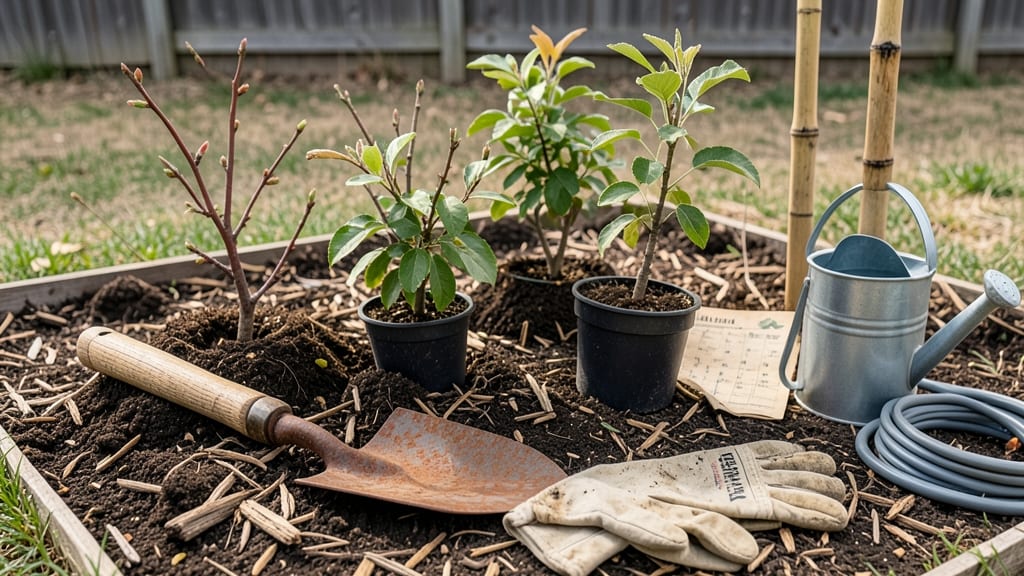
Timing your fruit tree planting in Utah isn't just about the calendar—it's about matching varieties to chill-hour zones that range from Zone 5 high-desert areas to Zone 9 warmer valleys. Plant too early, and late frosts will nip tender shoots; too late, and roots won't establish before winter's chill.
The key? Understanding how Utah's microclimates—like the 15°F temperature swings between Salt Lake City and St. George—dictate when to set those bare-root saplings in the ground.
Most Utah gardeners swear by late winter to early spring (February–April) for planting, but fall (September–October) works too—if you pick the right varieties. Stone fruits like peaches need 500–700 chill hours, while apples thrive with 800+ hours.
Without this match, your $100 tree could end up as a $10 firewood starter. I'll show you how to decode chill-hour labels and align them with Utah's frost-free windows (typically 120–180 days depending on elevation).
Let’s tackle the biggest mistakes first: planting in frost pockets, ignoring Utah’s alkaline soils, or skipping rootstock advice for drought-prone areas. You’ll also discover why container-grown trees give you a 4-week planting window that bare-root trees can’t match.
Whether you're in Zone 5 Park City or Zone 7 Moab, these strategies will help your orchard beat Utah’s unpredictable climate—and start bearing fruit in 3–5 years.
Ready to turn your backyard into a productive orchard? We’ll cover soil prep, frost-proofing tips, and even how to cheat the system with early-season varieties that avoid late-spring freezes. Grab your gloves—your perfect planting timeline starts here.
Utah fruit tree planting timeline by chill-hour requirements
Utah’s microclimates create a puzzle for fruit tree growers. High desert areas like Salt Lake City (Zone 5) need chill-hardy varieties, while warmer valleys like St. George (Zone 8) require low-chill options. The key? Planting at the right time to align with chill-hour needs and frost-free windows.
Most Utah gardeners succeed with late winter to early spring planting (February–April), but fall planting (September–October) works for container-grown trees. The goal? Give roots time to establish before bud break or first frost.
Here’s how to match planting windows to chill-hour requirements for Utah’s top fruit trees:
| Variety | Chill Hours | Best Planting Window | Soil Prep Tip |
|---|---|---|---|
| Apples (e.g., 'Honeycrisp') | 500–800 | Late Feb–March (bare-root) or Sept–Oct (container) | Amend with compost to lower pH (Utah soils are alkaline) |
| Peaches (e.g., 'Reliance') | 300–500 | March–April (avoid late planting—prone to bacterial spot) | Mound soil 3 inches high around base to prevent rot |
| Cherries (e.g., 'Montmorency') | 600–900 | Late Feb–March (bare-root only; container-grown cherries struggle in Utah) | Plant in full sun with windbreaks (cherries need cross-pollination) |
| Pears (e.g., 'Bartlett') | 400–600 | March–April (pears hate wet soil—avoid fall planting) | Add gravel to soil for drainage (Utah’s clay-heavy soils) |
| Plums (e.g., 'Stanley') | 300–500 | Feb–March (plums need well-draining soil) | Test soil pH (ideal: 6.0–6.5; Utah soils often test 7.5+) |
For high-elevation areas (Zones 4–5), prioritize late February–March planting to avoid late frosts. In warmer valleys (Zones 6–7), September–October works for container-grown trees, but bare-root varieties must go in by early April.
Pro tip: Use mulch (straw or wood chips) after planting to retain moisture and regulate soil temps. In Utah’s dry climate, mulch can reduce water needs by 30%.
If you’re in Zone 8 (St. George area), opt for low-chill varieties like 'Sugar Belle' peaches (200–300 chill hours) and plant in late winter (January–February) to escape heat stress.
Always check your local frost dates—Utah’s mountain valleys can have 10+ days earlier last frosts than cities like Salt Lake City. For real-time updates, use the Utah Climate Center’s frost maps.
Remember: Bare-root trees need moist (not soggy) soil at planting, while container-grown trees can handle drier conditions. Water deeply immediately after planting and weekly for 6 weeks to encourage root growth.
Utah fruit tree planting timeline by chill-hour requirements
Utah’s chill-hour zones (4–7) dictate when to plant fruit trees, with late winter to early spring (February–April) being the safest window for most varieties. This timing ensures roots establish before Utah’s unpredictable frost dates (March 15 average last frost, but October 15 first frost).
For example, apples need 800+ chill hours, while peaches thrive with 500–700 hours—mismatch these, and your tree may fail to fruit.
Fall planting (September–October) works for container-grown trees or bare-root varieties like cherries, but avoid it for stone fruits in Zone 5 areas where early frosts strike. Always check your local frost-free days (120–180 in Utah) to time planting with your tree’s dormancy cycle.
I’ll break down the exact windows for Utah’s top fruit trees below.
🌱 Utah Fruit Tree Planting Timeline by Chill-Hour Zone
| Variety | Chill Hours | Best Planting Window | Utah Zone Fit | Soil Prep Tip |
|---|---|---|---|---|
| Apples (e.g., 'Honeycrisp') | 800–1,000 | Late February–March | Zones 5–7 | Amend alkaline soil with peat moss (pH 6.0–6.5) |
| Peaches (e.g., 'Reliance') | 500–700 | March–April | Zones 5–8 | Add compost for moisture retention |
| Cherries (e.g., 'Montmorency') | 900–1,200 | September–October (bare-root) or March | Zones 5–7 | Plant in well-draining soil to avoid root rot |
| Pears (e.g., 'Bartlett') | 600–800 | Late February–March | Zones 5–7 | Mulch heavily to retain moisture |
| Plums (e.g., 'Stanley') | 400–600 | March–April | Zones 6–8 | Use drip irrigation for drought-prone areas |
Adjust for high-elevation areas (e.g., Park City) by planting 2–4 weeks later.
For Zone 4 areas (e.g., Logan or northern Utah), prioritize late-March planting to avoid late frosts. In Zone 7+ (St. George, Cedar City), you can plant as early as February for varieties like figs or persimmons, which tolerate Utah’s heat.
Always test your soil’s pH (6.0–7.0 ideal)—Utah’s alkaline soils often need sulfur amendments for acid-loving trees like blueberries.
Pro tip: Bare-root trees must be planted while dormant (buds not swollen), while container-grown trees offer a 4-week flexibility window in spring. If you miss the ideal window, wait until fall—but avoid planting when soil temps drop below 40°F. This timing ensures roots harden off before winter.
Don’t overlook rootstock choices—dwarf varieties (e.g., 'M.9' for apples) establish faster in Utah’s short growing season. Pair them with windbreaks to protect against the state’s 100+ mph winds in open areas.
With the right timing and prep, your Utah orchard can beat the climate and bear fruit in 3–5 years.
Next, we’ll dive into the best varieties for Utah’s microclimates, including drought-tolerant picks that thrive in Zone 5–7 with minimal fuss. Which variety are you eyeing for your yard?