
Trees
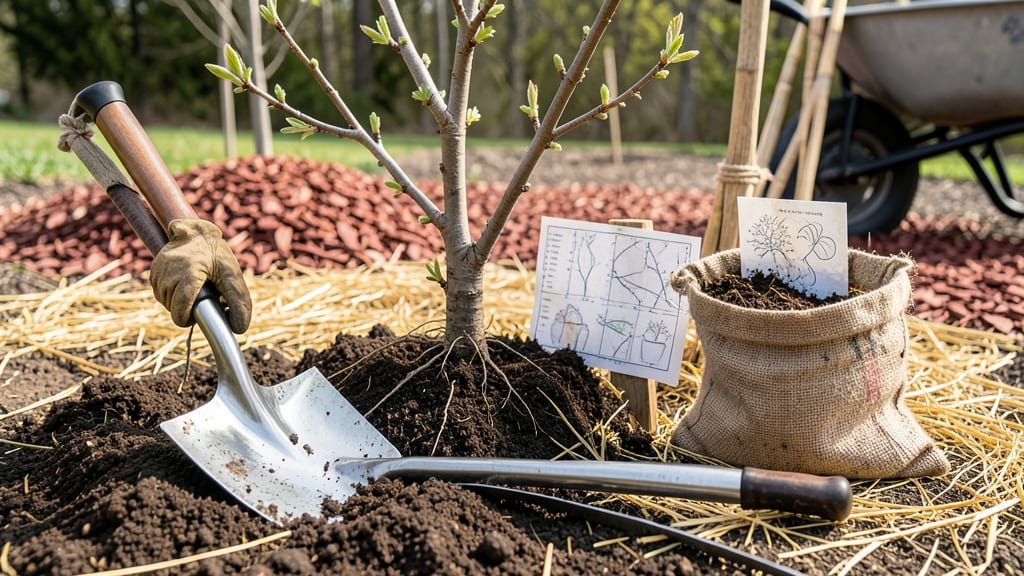
Planting fruit trees in Virginia at the wrong time can mean the difference between a thriving orchard and a sad, struggling sapling—especially when you're dealing with unpredictable frost dates and chill-hour requirements that vary across the state.
I've seen firsthand how a single misjudged week can leave young trees vulnerable to winter dieback or summer stress, particularly in regions like the Shenandoah Valley or Tidewater areas where microclimates create wildly different growing conditions.
The key isn't just picking a season—it's understanding how Virginia's USDA Zones 5-8 interact with your specific location's frost patterns and the chill needs of varieties like peaches or apples.
What if you could plant your fruit trees with confidence, knowing exactly when to break ground for optimal root establishment and fruit production?
This guide cuts through the guesswork by breaking down the science of chill hours, frost-free windows, and soil readiness—so you can choose the perfect moment whether you're planting bare-root saplings in early spring or container-grown trees in late fall.
From selecting the right varieties for your specific zone to avoiding common pitfalls like planting too early in frost-prone areas, I'll walk you through everything you need to know to give your fruit trees the best possible start in Virginia's diverse climate.
Virginia’s chill-hour zones: matching fruit trees to your location
Virginia’s diverse climate—from the cooler mountains to the warmer coastal plains—means not all fruit trees thrive statewide. The key to success? Chill hours, the number of hours below 45°F a tree needs to flower and fruit.
Most Virginia varieties require 300-1,000+ chill hours, but your local zone dictates which trees will flourish.
For example, peaches and cherries need 500-800 chill hours, perfect for Zone 6 (Shenandoah Valley), while apples and pears tolerate 300-500 chill hours, ideal for Zone 7 (Richmond area). Even within Virginia, a 100-mile difference can shift chill hours by 200+ hours—so pick wisely!
🌱
If you’re in Zone 6 (e.g., Roanoke), Elberta peaches or Montmorency cherries are excellent choices, while Zone 7 (e.g., Charlottesville) gardeners should opt for Honeycrisp apples or Bartlett pears.
Even within zones, microclimates matter: A south-facing slope in Zone 7 might add 50+ extra chill hours, making it safer for peaches.
For low-chill varieties (like figs or loquats), focus on Zone 8’s coastal plains (e.g., Norfolk). These trees bloom later, avoiding late frosts that can devastate early flowers. Always check the chill-hour range on nursery tags—it’s non-negotiable for fruit production!
Pro tip: Use the USDA Plant Hardiness Zone Map combined with local chill-hour data from Virginia Cooperative Extension. Their chill-hour calculators can help you pinpoint your exact needs based on historical weather data for your county.
🌿
Mismatched chill hours lead to poor pollination, sparse fruit, or even tree death. For instance, planting a 500-chill-hour peach tree in Zone 8 (where winters average 200 chill hours) will result in no fruit—the tree simply won’t flower.
Always verify your zone and cross-reference with tree tags or local nurseries like Virginia Tech’s Fruit Tree Guide.
🌳
Once you’ve matched your tree to your zone, the next step is timing—when to plant for maximum survival. Early spring or late fall are the golden windows, but Virginia’s variable frost dates (as late as May in the mountains) complicate things.
We’ll dive into the best planting windows in the next section, including how to adjust for bare-root vs. container-grown trees.
Optimal planting windows: when to plant based on frost dates and soil conditions
Virginia’s frost-free dates and soil temperature create two primary planting windows for fruit trees: early spring (March–April) and late fall (October–November). The best choice depends on your USDA Zone and whether you’re planting bare-root or container-grown trees.
For bare-root trees, the dormant season (late fall or early spring) is ideal because they establish roots quickly in cool, moist soil.
In Virginia, this typically means planting peach and apple trees between February 15 and March 15 in most regions, or October 15 to November 15 for fall planting.
Container-grown trees, however, can handle warmer soil and are often planted throughout the growing season, though spring (April–May) remains the safest bet. The key is avoiding late-season planting (after July), which risks stressing roots before winter dormancy.
To pinpoint your exact planting window, check your local frost dates via the Virginia State Climate Office or Almanac’s Frost/Freeze Tool. For example, Roanoke (Zone 7a) typically has its last frost around April 15, while Norfolk (Zone 8a) averages March 15.
Adjust for microclimates, like valleys holding frost longer.
Before planting, test soil temperature with a soil thermometer—roots won’t establish well in cold, wet soil. Aim for 50°F or warmer for spring planting. In clay-heavy Virginia soils, amend with compost to improve drainage and warm up faster.
Pro tip: Mulch heavily after planting to retain moisture and regulate soil temperature, especially in Zone 5–6 areas like the Blue Ridge Mountains where winters can be harsh. This simple step can mean the difference between a thriving tree and one struggling to survive its first Virginia winter.