
Trees
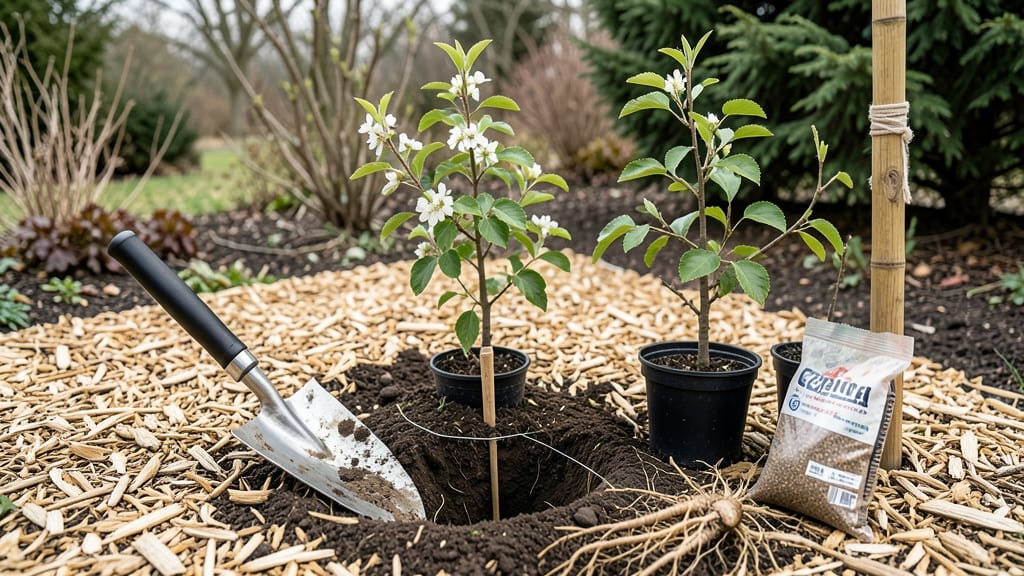
Planting fruit trees at the wrong time in Zone 6 can mean wasted dollars and missed harvests—especially when chill-hour requirements aren’t met. Timing isn’t just about seasons; it’s about matching varieties to your region’s cold snaps for perfect blooms and fruit production.
If you’ve ever wondered why some 🍎 trees thrive while others struggle, the answer often lies in when they hit the ground. Zone 6’s unpredictable frost dates make early spring or late fall planting tricky, but getting it right means stronger roots and better yields.
Let’s break down the best windows for your specific fruit trees.
For beginners, fall planting (September-October) is often the safest bet—giving roots time to establish before winter. But experienced gardeners know that early spring (April) can work too, depending on soil temperature and last frost dates. The key is understanding your tree’s chill-hour needs and local microclimates.
Whether you’re planting apples, peaches, or cherries, we’ll cover everything from soil prep to frost protection. Ready to set your fruit trees up for success? Let’s get started.
Zone 6 planting windows by fruit tree type: chill-hours breakdown
In Zone 6, timing your fruit tree planting isn’t just about avoiding frost—it’s about matching chill-hour needs to your region’s winter cold snaps. Most fruit trees require 200-1000+ hours below 45°F (7°C) to bloom properly.
Planting at the wrong time can lead to poor fruit set or no harvest at all. For example, peaches and plums need 400-600 chill hours, while apples and cherries often require 800-1000 hours. Let’s break down the best planting windows for each type.
Zone 6 gardeners have two primary planting windows: early spring (March-April) and fall (September-October). Fall planting is generally preferred because it allows roots to establish before winter dormancy, while spring planting gives trees a head start for the growing season.
However, the best choice depends on your fruit tree variety and its chill-hour requirements. For instance, low-chill varieties like 'Reliance' peaches can be planted in late winter, while high-chill varieties like 'Granny Smith' apples need a full winter’s cold to bloom.
🌱
| Fruit Type | Chill Hours Needed | Best Planting Window | Notes |
|---|---|---|---|
| Apples | 800-1000 | Fall (Sept-Oct) or early spring (March-April) | Dwarf varieties adapt better to Zone 6 |
| Peaches | 400-600 | Late winter (Feb-March) or fall (Sept-Oct) | Avoid late spring planting—prone to frost damage |
| Cherries | 800-1000 | Fall (Sept-Oct) only | Sweet cherries need cross-pollination |
| Plums | 300-500 | Fall (Sept-Oct) or early spring (March-April) | Low-chill varieties thrive in Zone 6 |
| Pears | 500-700 | Fall (Sept-Oct) or early spring (March-April) | Dwarf varieties are best for small gardens |
For bare-root trees, fall planting is ideal because they establish roots before winter dormancy. If you’re planting container-grown trees, spring planting works well, but avoid late spring to prevent frost damage to new growth.
For example, if you plant a peach tree in late April, a sudden frost could kill tender new shoots. Always check your last frost date—typically mid-April in Zone 6—and plant at least 2-3 weeks before to give roots time to establish.
Soil temperature also plays a critical role. For most fruit trees, soil should be at least 40°F (4°C) for planting. In Zone 6, this usually means waiting until mid-March for spring planting.
If you’re planting in fall, aim for 6-8 weeks before the first frost (usually mid-October) to allow roots to establish before winter. Use a soil thermometer to check—this small investment can save you from planting too early or too late.
Another key factor is tree dormancy. Most fruit trees enter dormancy in late fall and break dormancy in early spring. Planting during dormancy (fall or late winter) reduces stress on the tree.
For example, apple trees planted in fall will have a stronger root system by spring, leading to better blooms and fruit production.
If you’re planting in spring, do it as soon as the soil is workable—usually March or early April—to give the tree time to establish before summer heat arrives.
Don’t forget about microclimates in your garden. A south-facing slope or a spot near a brick wall can create a warmer microclimate, extending the growing season by 2-4 weeks. This is especially useful for low-chill varieties like 'Reliance' peaches, which can bloom earlier in warmer microclimates.
Conversely, low-lying areas or north-facing spots may experience later frosts, so avoid planting frost-sensitive varieties there.
🌿
If you’re unsure about your chill-hour requirements, consult your local Cooperative Extension Service or use a chill-hour calculator based on your ZIP code. Many nurseries also label trees with their chill-hour range, making it easier to choose the right variety for Zone 6.
For instance, 'Honeycrisp' apples (600-800 chill hours) are a great choice for Zone 6, while 'Fuji' apples (800-1000 chill hours) may struggle unless you’re in the warmer end of Zone 6b.
Finally, consider tree size when planning your planting window. Dwarf varieties (6-12 ft) establish faster and produce fruit sooner than standard varieties (20-40 ft). If you’re planting a dwarf apple tree
How to adjust planting for late freezes: protecting young trees in Zone 6
Zone 6 gardeners know the late spring frosts can turn hopeful new plantings into sad, frost-nipped casualties. These unpredictable cold snaps often hit between April 15-30, just when your fruit trees are breaking dormancy. The key to success? Strategic planting timing and protective measures tailored to your microclimate.
First, check your local frost dates—they can vary by 1-2 weeks even within Zone 6. For example, Chicago’s last frost averages April 20, while Raleigh’s comes April 15. Planting 4-6 weeks before these dates gives young roots time to establish before active growth begins.
Late frosts can kill new shoots and flower buds in just 30 minutes at 28°F. Peach and cherry trees are especially vulnerable—delay planting until after May 1 if your area has a history of late frosts.
Pro Tip: Use a frost calendar like the National Weather Service’s or your local Cooperative Extension for precise alerts.
For bare-root trees, plant in late fall (October) so roots establish before winter. Container-grown trees can go in early spring (April), but cover them with frost cloth if nighttime temps dip below 32°F. Dwarf varieties like ‘Columnar Honeycrisp’ recover faster from frost damage than standard trees.
Create a microclimate haven by planting near south-facing walls or heat-absorbing surfaces like brick. These spots can add 5-10°F of warmth. Avoid low-lying areas where cold air pools.
If you must plant in a frost-prone spot, choose low-chill varieties like ‘Redhaven’ peaches (300-400 hours) over high-chill ‘Bing’ cherries (900+ hours).
Monitor frost forecasts using apps like Old Farmer’s Almanac or Weather Underground. If a frost is predicted after planting, wrap the tree in burlap and cover with row fabric.
Remove covers by 10 AM to avoid heat stress. For flowering trees, a sprinkler system can add 5°F of protection by releasing water that freezes around buds.
Remember, patience pays off. If your first attempt ends in frost damage, replant next year with adjusted timing. With these strategies, your Zone 6 fruit trees will stand a fighting chance against Mother Nature’s last-ditch cold snaps. 🌱