
Planting
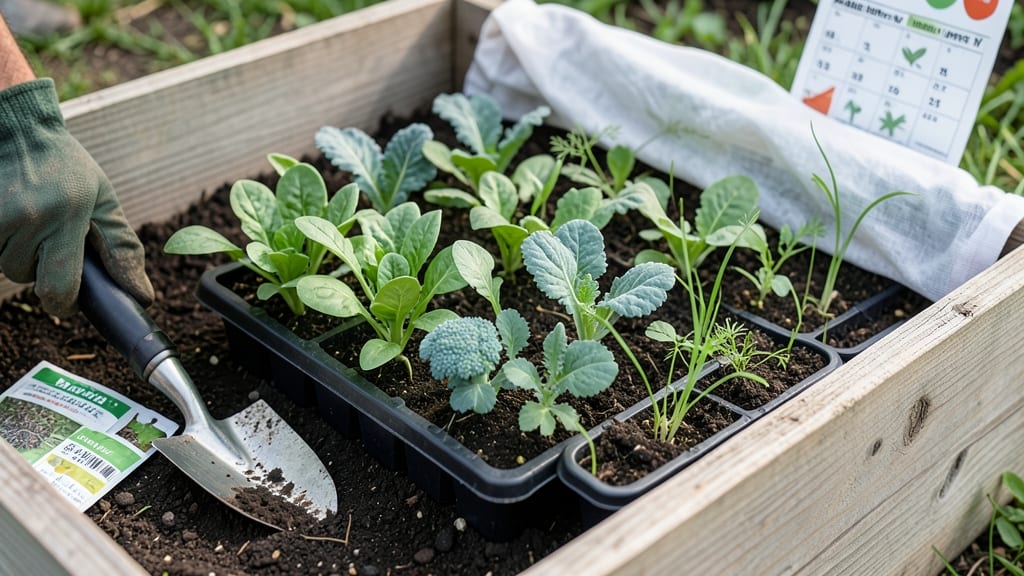
Knowing when to plant a garden in Upstate New York can mean the difference between a thriving harvest and a lost season—one late frost can wipe out weeks of work in minutes. With Zone 5b-6b frost dates swinging wildly between mid-May and early October, knowing the exact window for planting 🌱 General Garden Plants is non-negotiable.
You’ve probably heard the rule: “Wait until after the last frost.” But in Upstate NY, where microclimates vary from the cooler Adirondacks to the warmer Finger Lakes, that advice isn’t enough.
The key is understanding which plants can handle cool spring soil (like peas and spinach) and which need to wait for warmer temperatures (tomatoes, peppers) to avoid stunted growth.
In this guide, I’ll break down the perfect planting timeline for your region—from late April’s hardy crops to August’s second planting window—so you can avoid common mistakes and maximize your garden’s potential. Let’s get those seeds in the ground at the right time.
Whether you’re a first-time gardener or a seasoned green thumb, these practical tips will help you sync your planting schedule with Upstate NY’s unpredictable weather. Ready to turn your backyard into a productive oasis?
Upstate NY planting calendar: exact dates by vegetable type (Zone 5-6)
Upstate New York’s Zone 5-6 climate demands precision—your last frost date typically lands between April 15 and May 15, but this shifts yearly. For example, the Finger Lakes region often warms faster than the Adirondacks, giving you a 1-2 week head start.
Use these month-by-month guidelines to align your planting with Upstate NY’s unique microclimates.
Start by marking your calendar for mid-May as the safe outdoor planting window for most vegetables. However, cold-hardy crops like spinach, kale, and peas can handle late-March to early-April sowings.
Meanwhile, warm-season crops such as tomatoes, peppers, and basil need to wait until after May 15—or risk a frost-induced wipeout.
📅 Key Dates for Upstate NY Gardeners:
- March 15–April 15: Plant cold-hardy crops (spinach, peas, lettuce) outdoors or start warm-season seedlings indoors.
- April 15–May 15: Transplant hardy seedlings (broccoli, cabbage) and direct-sow fast growers (radishes, carrots).
- May 15–June 1: Plant tomatoes, peppers, and cucumbers after soil warms to 50°F+.
- August 1–September 1: Sow fall crops (kale, Brussels sprouts) for a second harvest.
| Plant Type | Upstate NY Planting Window | Notes |
|---|---|---|
| Cold-Hardy Vegetables | March 15–April 15 (outdoors) or start indoors Feb 1 | Spinach, peas, lettuce, kale, radishes |
| Warm-Season Vegetables | May 15–June 1 (after last frost) | Tomatoes, peppers, cucumbers, basil, beans |
| Fall Crops | August 1–September 1 | Kale, Brussels sprouts, carrots, beets |
| Herbs | April 15–May 15 (hardy) or June 1 (tender) | Parsley, chives (hardy); basil, cilantro (tender) |
| Flowers | April 15–June 1 (annuals); fall for perennials | Marigolds, zinnias, sunflowers |
For Adirondack gardeners, delay planting by 1-2 weeks—cooler microclimates mean slower soil warming. In contrast, the Finger Lakes can support earlier tomato plantings if you use row covers for protection.
Always check your local USDA Plant Hardiness Zone (5b-6b) and monitor soil temperatures with a probe—50°F+ is ideal for most vegetables.
Pro tip: Use succession planting for fast growers like lettuce or radishes. Sow a new batch every 2 weeks from April to August to ensure a continuous harvest without gaps. This works especially well in Upstate NY’s shorter growing season (150-180 frost-free days).
Don’t overlook fall planting—August through early September is prime time for cool-season crops like spinach and carrots. These plants thrive in fall’s cooler temps and often produce sweeter harvests before the first frost (mid-October in most of Upstate NY).
If you’re new to Upstate NY gardening, start with low-risk crops like bush beans, zucchini, or herbs. These tolerate slight timing mistakes better than delicate tomatoes or peppers. For extra safety, harden off seedlings for 7-10 days before transplanting—gradually expose them to outdoor conditions to avoid shock.
Remember: Upstate NY’s unpredictable weather means flexibility is key. Keep a planting journal to track your local frost dates and adjust future years. With this calendar, you’ll maximize your harvests and minimize frost-related disappointments—no more wilted seedlings or missed harvests!
How to extend your Upstate NY growing season without frost damage
Upstate NY’s short frost-free season (150–180 days) can feel like a race against time—but with the right strategies, you can grow more vegetables and protect delicate plants from late frosts.
The key? Extending your season using tools like row covers and cold frames, plus choosing heat-tolerant crops that thrive in late starts.
For example, okra and sweet potatoes handle late planting (June–July) better than tomatoes, while spinach and kale survive early fall frosts. Succession planting (sowing every 2–3 weeks) ensures a steady harvest of lettuce or radishes all summer.
⚠️ CALLOUT WARNING ⚠️
- Planting too early—seedlings die in late spring frosts (common after May 15).
- Ignoring microclimates—south-facing beds warm faster than shady spots.
- Skipping mulch—soil stays 5°F warmer with straw or leaves.
Start by hardening off seedlings (acclimating them to outdoor temps) 7–10 days before transplanting. For cold-sensitive crops like peppers, use black plastic mulch to warm soil 5–10°F faster than bare earth.
In the Adirondacks, aim for June 1 plantings; in the Finger Lakes, you can push to June 15.
For fall planting, focus on cold-hardy crops like broccoli (plant by August 15) or garlic (plant in October). Use row covers to delay first frost by 2–4 weeks—ideal for extending spinach or carrot harvests into October.
If you’re starting seeds indoors, begin 6–8 weeks before last frost (early March for tomatoes, April for peppers). Transplant outdoors only after nighttime temps stay above 50°F. For heat-loving crops, try okra or sweet potatoes, which tolerate late starts and even light frosts.
Plan for succession planting with fast growers like bush beans (harvest in 50–60 days) or radishes (harvest in 25–30 days). Space sowings 2 weeks apart to avoid gluts. And don’t forget perennials—asparagus and rhubarb establish roots in spring but reward you for years of harvests.