
Plants
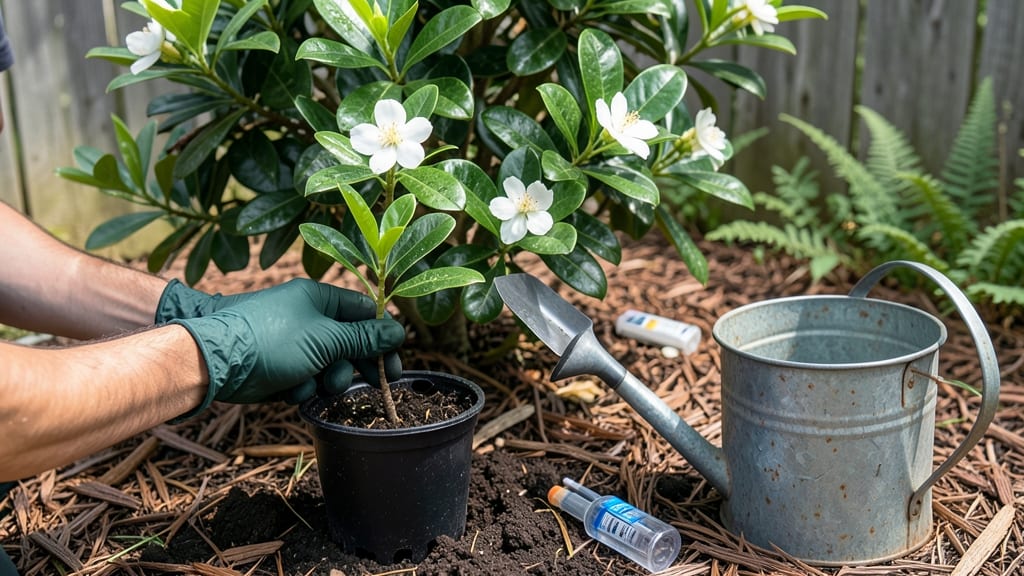
If you’ve ever planted gardenias in Texas only to watch them struggle through brutal summers or freeze in unexpected cold snaps, you’re not alone. The key to growing thriving, fragrant gardenias 🌸 lies in timing—specifically, knowing when to plant gardenias in Texas to outsmart the climate.
Texas gardeners face a tricky balance: plant too early, and a late frost can destroy tender new growth; wait too long, and the scorching summer heat stunts root development.
But with the right approach—choosing heat-resistant varieties and planting in the ideal window—you can set your gardenias up for success from day one.
In this guide, I’ll break down the best months to plant gardenias across Texas’s diverse zones, share proven techniques for transplanting, and reveal the top varieties that actually thrive in our extreme heat.
Whether you’re in Houston, Dallas, or San Antonio, these tips will help you avoid common mistakes and enjoy lush, blooming gardenias year after year.
Ready to transform your yard into a fragrant oasis? Let’s dive into the secrets of planting gardenias the right way—so you can skip the guesswork and enjoy the results.
Best months to plant gardenias in Texas for zero frost risk
Timing is everything when planting gardenias in Texas. The Lone Star State's unpredictable frost dates and scorching summers mean you must plant at the perfect moment—too early, and a late freeze could kill your young shrubs; too late, and the summer heat will stress them before they establish roots.
Texas spans USDA zones 8a through 10b, with frost-free dates varying dramatically. For example, North Texas (Dallas/Fort Worth) typically sees its last frost around February 20, while South Texas (Houston/San Antonio) often warms up by February 15. Central Texas (Austin) usually hits March 1 for safe planting.
To maximize success, aim to plant gardenias 4-6 weeks before summer heat peaks. This gives roots time to establish before temperatures soar above 90°F. For most Texans, this means late February to early April, depending on your region.
Here’s a quick guide to align your planting with Texas’s frost-free windows and heat tolerance:
| Texas Region | Last Frost Date | Ideal Planting Window | Key Consideration |
|---|---|---|---|
| North Texas (Dallas/FW) | Mid-February | March 1-15 | Wait for soil to warm to 60°F+; avoid late frosts. |
| Central Texas (Austin) | Early March | March 15-April 1 | Soil warms faster; plant early to beat summer heat. |
| South Texas (Houston/San Antonio) | Late February | February 28-March 15 | Humidity is high; ensure well-draining soil to prevent root rot. |
| West Texas (El Paso) | Late March | April 15-May 1 | Dry heat; mulch heavily to retain moisture. |
For container-grown gardenias, you can extend your planting window slightly. Containers warm up faster, so you can plant 2-3 weeks earlier than in-ground shrubs. However, always monitor soil temperature—it should stay above 60°F for at least a week before planting.
If you miss the ideal window, don’t panic. You can still plant gardenias in late April or even May, but be prepared for extra care: deep watering, shade cloth during peak heat, and mulching to protect roots.
Just avoid planting in summer’s brutal heat (June-August), as young plants struggle to establish.
Pro tip: Use a soil thermometer to confirm soil temps. Gardenias thrive when roots can warm up gradually—60-70°F is perfect. If your soil is still chilly, wait a few more days or use black plastic mulch to speed up warming.
Once planted, focus on consistent moisture and partial shade during the first critical months. This helps roots grow deep before summer’s intensity kicks in. With the right timing, your gardenias will reward you with fragrant blooms from late spring through fall—no frost or heat stress required!
Best months to plant gardenias in Texas for zero frost risk
Timing your gardenia planting in Texas is all about beating the last frost while avoiding the peak summer heat. The ideal window is between late February and early April, but the exact timing depends on your region’s microclimate.
In North Texas (like Dallas), aim for mid-March when frost risk drops below 10%. Meanwhile, South Texas gardeners (Houston, San Antonio) can plant as early as late February, thanks to milder winters.
Why this timing? Gardenias need 6-8 weeks of warm soil to establish roots before summer’s brutal heat arrives. Planting too early risks frost damage, while late planting stresses young roots during 100°F+ temperatures. The key is to transplant when soil temps hit 60°F+—use a soil thermometer to check!
| Texas Region | Last Frost Date | Best Planting Window | Soil Temp Goal |
|---|---|---|---|
| North Texas (Dallas, Fort Worth) | Mid-February | Mid-March to early April | 60°F+ |
| Central Texas (Austin) | Early February | Late February to March | 60°F+ |
| South Texas (Houston, San Antonio) | Late January | Late February to early March | 60°F+ |
Pro tip: Use mulch (3-4 inches of pine bark) to insulate roots from temperature swings. This keeps soil 5-10°F warmer in winter and cooler in summer, giving your gardenias a fighting chance during Texas’s extreme weather.
For container gardenias, move pots to a sheltered spot if a cold snap is forecasted.
If you miss the spring window, fall planting (October) is a backup option—just avoid transplanting after September 15th, as new roots won’t harden off before winter. In USDA Zones 9b-10b (South Texas), you can even plant year-round, but spring remains ideal for maximum blooms.
Remember: Gardenias hate transplant shock. Acclimate nursery plants to outdoor conditions for 7-10 days before planting by placing them in partial shade during the day and bringing them in at night if temps drop below 50°F. This hardens off the plants and reduces stress.
Once planted, monitor for yellowing leaves—a sign of root stress. If you see this, adjust your watering schedule or check soil drainage. With the right timing and care, your gardenias will reward you with fragrant blooms from June through September!