
Plants
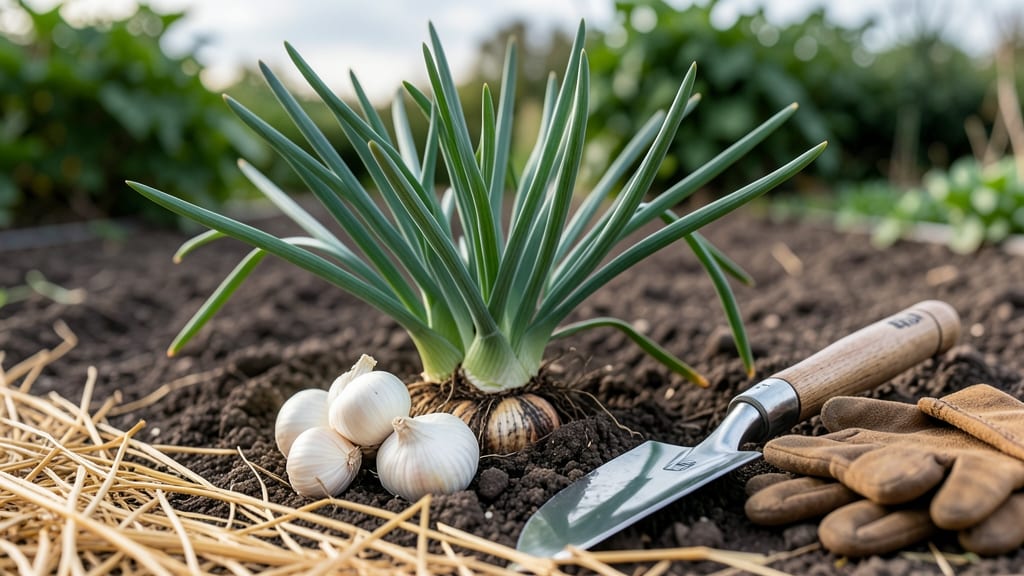
Planting garlic in Connecticut at the right time—between October and November—is the secret to growing bold, flavorful bulbs that outperform store-bought varieties. The key lies in timing it perfectly before the ground freezes, ensuring your 🧄 thrives through winter’s chill and emerges strong next spring.
In USDA Zone 6a, Connecticut’s climate demands precision: plant too early, and your garlic may bolt; too late, and frost will stunt growth. But when you nail the window, you’re rewarded with hardneck varieties like ‘German White’ or ‘Music,’ prized for their robust flavor and reliable yields.
Why does timing matter so much? Because garlic needs cold exposure to form bulbs properly. By planting in fall, you give it the 60–90 days of winter dormancy it craves, setting the stage for a harvest in June or July of the following year.
Let’s break down exactly when to plant, how to prep your soil, and what to watch for as Connecticut’s unpredictable weather shifts. Your path to a bumper garlic crop starts here.
Best planting months for Connecticut hardneck garlic success
Connecticut’s USDA Zone 6a climate demands precise timing for garlic planting—typically between mid-October and early November. This window ensures garlic roots establish before the ground freezes, while allowing enough daylight for growth before winter dormancy.
Coastal areas like Groton may push planting to late October, while inland regions like Hartford can start as early as mid-September for hardy varieties.
Garlic planted too early may bolt (sprout prematurely), while late planting risks insufficient root development before frost. Aim for 4-6 weeks before the first hard frost (usually November 15 in most of Connecticut).
For hardneck varieties like ‘German White’ or ‘Music’, this timing is critical—they need cold exposure to form bulbs properly.
🌱 Connecticut Garlic Planting Summary
| Stage | Action | Notes |
|---|---|---|
| Soil Prep | Test pH (6.0-7.0), amend with compost | Use well-draining soil |
| Planting Window | Mid-October to early November | 4-6 weeks before frost |
| Depth | 2 inches deep, pointy end up | Use individual cloves, 4-6" apart |
| Mulch | 4-6 inches of straw | Insulate roots in winter |
| Harvest Time | Late June to early July | When lower leaves brown |
For coastal Connecticut (e.g., New London), where winters are milder, you can extend planting to early December. However, inland areas like Torrington should finish by November 1 to avoid frost damage. Use a soil thermometer to confirm temps are below 40°F at planting—this signals garlic it’s time to dormancy.
If you miss the fall window, spring planting is possible but risky—garlic planted in March or April may produce smaller bulbs or bolt prematurely. For spring planting, use softneck varieties like ‘Silverskin’ and plant as soon as soil is workable (around March 15 in most of Connecticut).
Pro tip: Break garlic bulbs into individual cloves just before planting. Larger cloves yield bigger bulbs, but avoid using store-bought garlic—it’s often treated to prevent sprouting. Save cloves from last year’s harvest or buy organic, untreated seed garlic from local nurseries like Connecticut Grown.
Connecticut’s short growing season (only 165 frost-free days) means garlic needs every advantage. Planting at the right time ensures robust root development before winter, setting the stage for plump, flavorful bulbs by next summer. Don’t rush—patience in fall pays off with harvest-ready garlic in June or July.
For gardeners in Zone 6a, mark your calendar for October 15–November 1—this is your prime planting window. Use a garden journal to track soil temps and local frost dates, adjusting as needed.
With the right timing, you’ll grow garlic that’s sweeter, larger, and more resilient than anything from the store.
🌱
Best planting months for Connecticut hardneck garlic success
Connecticut’s USDA Zone 6a climate demands precise timing for hardneck garlic—plant too early, and roots rot; too late, and bulbs won’t mature. Aim for mid-October to early November, when soil temps drop to 40–50°F but before the ground freezes (November 15 average).
This window ensures roots establish before winter dormancy.
For coastal areas like New London, push planting to late October—warmer microclimates delay frost. Inland zones like Hartford can plant as early as late September if soil temps stay cool. Use a soil thermometer to confirm readiness: 40°F or below triggers root growth without sprouting.
🌱 Connecticut Garlic Planting Timeline
| Stage | Action | Notes |
|---|---|---|
| Soil Prep | Test pH (6.0–7.0); amend with compost | Use well-draining soil; avoid fresh manure |
| Planting Window | Mid-October to early November | 4–6 weeks before frost; 2" deep, 4–6" apart |
| Winter Care | Mulch with straw (4–6") | Insulate roots; prevent heaving |
| Spring Growth | Remove mulch in March | Water deeply when soil dries; no fertilizer |
| Harvest Ready | Late June to early July | Lower leaves brown; bulbs firm |
Hardneck varieties like ‘German White’ or ‘Music’ thrive with this schedule, producing large, flavorful bulbs by next summer. Softneck garlic (e.g., ‘Silverskin’) can tolerate slightly later planting (November), but hardnecks require strict timing for scape production and bulb size.
Missed the fall window? Spring planting is possible but risky—sow in March for a smaller harvest (bulbs won’t mature fully). Prioritize fall planting for maximum yield and hardiness in Connecticut’s climate.
Pro tip: Label your rows! Hardneck garlic forms scape shoots in spring—harvest these to boost bulb size. Save the best bulbs for next year’s planting to maintain vigor.