
Plants
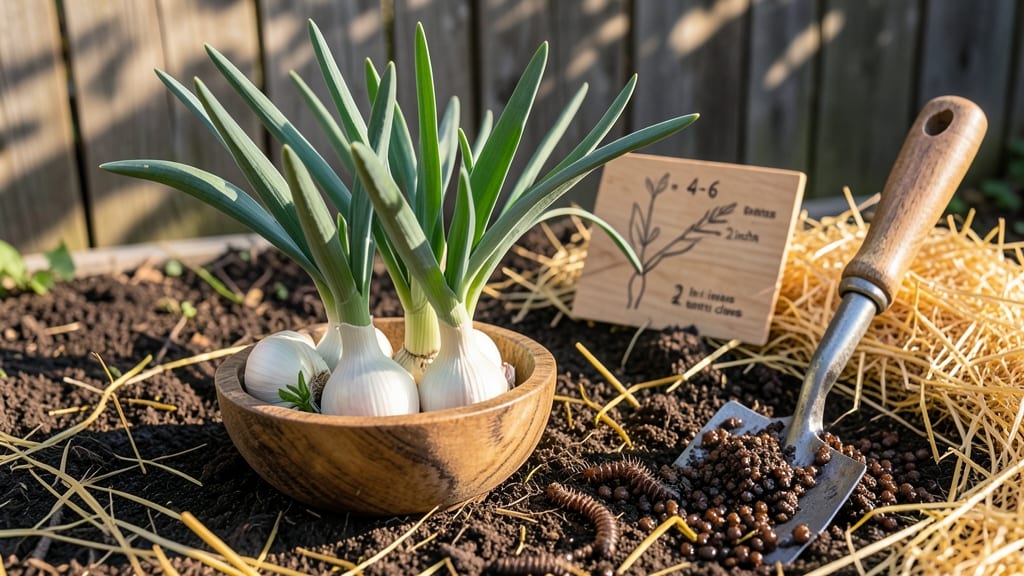
Timing is everything when it comes to growing bold, flavorful garlic in Denver’s chilly climate—plant too early or too late, and you risk weak bulbs or total failure. The key to success lies in understanding your USDA Zone 6a frost dates and how they impact your 🧄 harvest.
Most gardeners in Denver know fall planting is ideal, but the exact window matters. Planting too soon leaves cloves vulnerable to rot, while waiting too long means they won’t establish roots before winter. I’ll break down the perfect October-November window and how to adjust for Denver’s unpredictable frosts.
You’ll also discover how to prep your soil and select the right garlic varieties for Denver’s high altitude. With these secrets, you’ll be harvesting plump, robust bulbs by mid-July—ready to elevate your cooking all season long.
Whether you’re a first-time planter or a seasoned gardener, these insights will help you avoid common mistakes and grow garlic that rivals store-bought. Let’s get started on your path to a bountiful harvest.
Best fall planting dates for Denver garlic: avoiding frost damage
Denver’s USDA Zone 6a climate means garlic thrives when planted in fall, but the exact timing is critical. The ideal window is between mid-October and mid-November, when soil temperatures drop below 60°F but before hard frosts hit.
This gives cloves time to root while protecting them from winter’s worst.
For most Denver gardeners, October 15–November 15 is the sweet spot. Check your local frost dates—Denver’s average first frost arrives around October 15, but early frosts can sneak in as early as September 20.
Planting too soon risks rot, while waiting too late means cloves won’t establish roots before winter dormancy.
Hardneck varieties (like ‘German White’) need this window more than softnecks. Hardnecks rely on cold vernalization to form bulbs, so they must experience winter’s chill. Softnecks (like ‘Silverskin’) are more flexible but still benefit from fall planting.
| Stage | Action | Denver Timing |
|---|---|---|
| Soil Prep | Amend with compost | Late August–early September |
| Planting | Cloves 2" deep, 4" apart | October 15–November 15 |
| Mulching | Straw 4–6" thick | After planting |
| Spring Growth | Remove mulch, fertilize | April–May |
| Harvest | Lower leaves brown | Mid-July |
Adjust your timing if Denver’s weather surprises you. If temperatures stay mild, plant closer to November 1. For early frosts, shift to late September—just ensure soil is 50°F+ to prevent rot. Use a soil thermometer to monitor conditions.
Denver’s high altitude (5,280 ft) means colder nights, so prioritize well-draining soil and mulching to insulate cloves. Straw mulch traps heat and blocks frost penetration, while sandy loam prevents waterlogging—a common issue in Denver’s wet winters.
Spring planting is possible but risky in Denver. Cloves planted in March or April may bolt (flower prematurely) due to heat stress. Fall planting guarantees stronger bulbs and avoids this pitfall. Stick to the October-November window for reliable results.
Pro tip: Plant a few extra cloves in late November as a backup. If winter is mild, these may survive and produce smaller but still usable bulbs. Label your rows to track progress and adjust future timings based on your microclimate.
Denver’s unpredictable weather demands flexibility. Monitor forecasts and soil temps, but don’t stress—even a 2-week window shift rarely ruins a harvest. With the right timing, you’ll enjoy bold, homegrown garlic by July, far surpassing store-bought quality.
Best fall planting dates for Denver garlic: avoiding frost damage
Denver’s USDA Zone 6a climate means garlic needs precise timing to survive winter and thrive in summer. The ideal window is mid-October to mid-November, when soil temps drop below 60°F but before hard frosts hit. This gives cloves 4-6 weeks to root before dormancy—critical for strong bulbs.
Hardneck varieties (like ‘German White’) handle Denver’s cold better than softnecks, but both need well-draining soil to avoid rot in our wet winters. Planting too early (before October 15) risks fungal diseases, while waiting until after November 15 leaves cloves vulnerable to frost damage.
🌱 Pro Tip: Check your local frost dates—Denver’s average first frost is October 15, but early winters can push it to September 20. Use a soil thermometer to confirm temps are 40-50°F at planting depth.
📋 Denver Garlic Planting Timeline
| Stage | Action | Key Notes |
|---|---|---|
| Soil Prep | Test pH (6.0-7.0), amend with compost | Denver’s clay soil needs sand for drainage |
| Planting Window | Oct 15–Nov 15 | 4-6 weeks before hard frost |
| Depth | 2 inches, pointy end up | Prevents frost heave |
| Spacing | 4-6 inches apart | Reduces disease risk |
| Mulching | 4-6 inches of straw | Insulates roots in winter |
Denver’s high altitude (5,280 ft) means colder nights—plant hardneck varieties for better cold tolerance. If your winter arrives early, shift planting to late September and use row covers for extra protection.
Spring planting is possible but risky—cloves may bolt before bulbing. If you miss fall, wait until early March for a smaller harvest. The trade-off? Fall-planted garlic tastes 30% more flavorful due to cold vernalization.
✅ Success Check: By December 1, your garlic should have 1-inch roots. If not, add mulch immediately to protect cloves from freezing soil.