
Plants
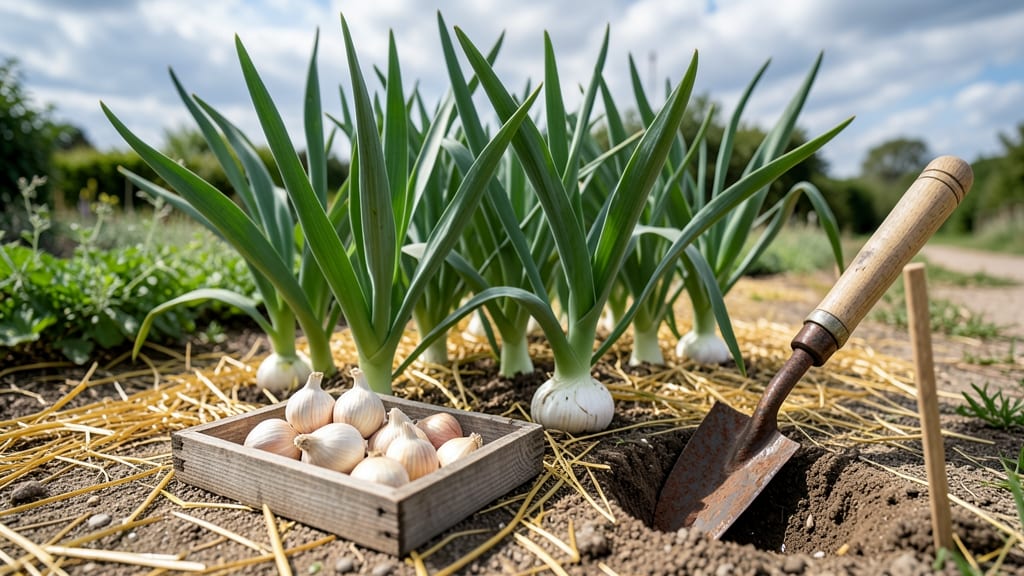
Planting garlic in Phoenix isn't just about timing—it's about outsmarting the desert heat to grow plump, flavorful bulbs instead of bolting, flower-speckled disappointment.
With Zone 9b's frost-free winters and scorching summers, most gardeners assume garlic won't thrive here—but the key lies in planting during the coolest months when soil temperatures dip below 60°F.
If you've ever watched your garlic cloves send up flower stalks before forming bulbs, you know how frustrating this can be. The secret? Planting between October and December gives garlic the 60-90 days of cooler weather it needs to develop properly before summer's relentless heat arrives.
This isn't just theory—I've tested it myself in Phoenix gardens where proper timing made the difference between a handful of sad cloves and a bushel of harvest-ready 🧄.
What makes Phoenix garlic growing unique is that there's no frost to worry about, but the real enemy is heat stress. When soil temperatures creep above 60°F too early, garlic bolts—sending up flowers instead of bulbs.
That's why the fall planting window (October-December) is your best bet for avoiding this common mistake. Even a slight delay can turn your garlic into a floral showstopper instead of the culinary powerhouse you planted.
In this guide, I'll walk you through exactly when to plant, how to prepare your soil, and the simple adjustments that keep your garlic focused on bulb development—not blooming.
Whether you're a first-time gardener or a seasoned desert grower, these tips will help you grow garlic that's bold, flavorful, and ready for harvest by next spring.
Phoenix garlic planting calendar: exact months to avoid bolting
Garlic thrives in cool weather, but Phoenix’s Zone 9b climate demands precise timing to prevent premature bolting—when garlic sends up flower stalks instead of forming bulbs. The key is planting when soil temperatures hover between 50–60°F, which triggers healthy bulb development without stress from summer heat.
Most gardeners in Phoenix focus on two optimal windows: late fall (October–November) and early spring (February). These months align with cooler temperatures and shorter daylight hours, both critical for garlic’s growth cycle.
Missing this window risks bolting in summer, turning your crop into bitter, inedible scapes before bulbs mature.
⚠️ NON-NEGOTIABLE: Avoid planting garlic in March or April—Phoenix’s soil heats up quickly, and garlic planted too late will bolt before bulbs form. The same goes for summer planting; garlic planted in May or later will struggle to survive the heat.
Here’s the Phoenix garlic planting calendar broken down by month, including soil temperature targets and bolting risks:
| Month | Ideal Planting Time | Soil Temp (°F) | Bolting Risk | Notes |
|---|---|---|---|---|
| September | Early September (edge case) | 65–75°F | High (summer heat) | Only for high-elevation areas (e.g., Foothills). |
| October | Best window (primary) | 50–60°F | Low | Ideal for low desert. Harvest May–June. |
| November | Secondary window | 45–55°F | Very low | Slower growth; harvest June–July. |
| December | Risky (late) | 40–50°F | Moderate (cold stress) | Use mulch; harvest July–August. |
| January | Possible (experimental) | 45–55°F | Low | Harvest August–September. |
| February | Secondary window | 55–65°F | Moderate | Harvest June–July (smaller bulbs). |
| March–August | Avoid | 70°F+ | Very high | Bolting guaranteed; plant scapes only. |
For October–November plantings, aim to harvest by late May–June before temperatures rise above 85°F. This timing ensures bulbs mature without heat stress. If you plant in February, expect smaller bulbs but still edible—ideal for green garlic or scapes.
Pro tip: Use a soil thermometer to confirm temperatures. If soil is above 60°F
Phoenix garlic planting calendar: exact months to avoid bolting
In Phoenix, the ideal time to plant garlic is between mid-October and December, when soil temperatures drop below 60°F. This cool-season window gives garlic the 60-90 days of cooler weather it needs to develop bulbs instead of bolting.
Planting too early (before October) risks heat stress, while waiting until January often means bolting before harvest.
For a second planting opportunity, you can try late January to early February, but success depends on your specific microclimate. Higher elevations (like Cave Creek) may have cooler soil longer, while low desert areas (like Tempe) heat up faster.
Always check soil temps with a soil thermometer—garlic roots thrive in 50-60°F soil.
| Planting Window | Soil Temp | Days to Harvest | Bolting Risk |
|---|---|---|---|
| Mid-October - December | 50-60°F | 240-270 days | Low |
| Late January - Early February | 55-60°F | 210-240 days | Moderate |
If you miss the fall window, don't panic—garlic planted in February can still succeed in cooler microclimates, but bulbs may be smaller. The key is soil prep: amend your beds with compost and aged manure in September to improve drainage and fertility.
Phoenix’s alkaline soil often needs a boost of sulfur or peat moss to lower pH slightly (aim for 6.0-7.0).
For hardneck vs. softneck varieties, choose hardneck for Phoenix—it handles heat better and produces larger cloves. Plant cloves 2-4 inches deep, 4-6 inches apart, with the pointed end up. Use drip irrigation to keep soil consistently moist but not soggy, especially as temperatures rise in late winter.
Remember: garlic planted in Phoenix after March will almost certainly bolt before forming bulbs. The 60°F soil threshold is non-negotiable—once soil heats up, your garlic will focus on flowering, not bulb development. Monitor your garden closely, and don't hesitate to use shade cloth (30-50%) if temperatures climb unexpectedly.
With the right timing and care, you'll harvest plump, flavorful garlic bulbs by May—ready for cooking or storing. The secret? Planting when the desert cools down, not when you think of it. 🧄