Plants
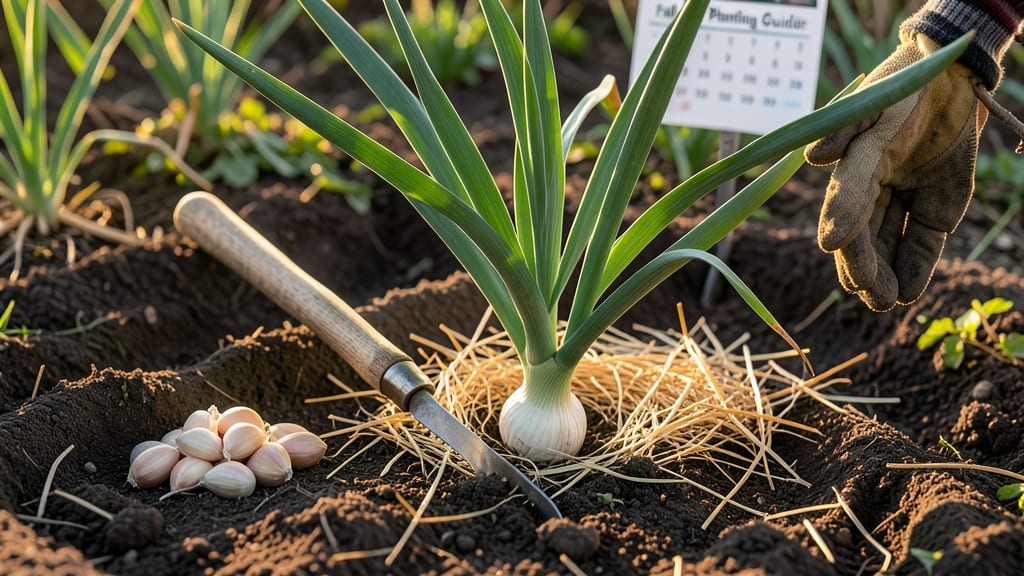
If you’ve ever wondered when to plant garlic in Seattle, the answer isn’t as simple as checking a calendar—it’s about reading your local climate like a pro.
The 🧄 you plant in October might thrive in one neighborhood but struggle just a few miles inland, thanks to Seattle’s coastal and inland microclimates.
Timing is everything, and getting it right means the difference between a bountiful harvest next summer and wasted effort. Whether you’re in the rainy west side or the drier east side, knowing the exact window—and how to adjust for frost—will set you up for success.
I’ll break down the ideal planting months for both zones, plus soil prep tips tailored to Seattle’s unique growing conditions. No more guessing—just actionable advice to help your garlic bulbs grow strong and healthy.
Let’s dive into the secrets that’ll make your garlic harvest the envy of every Seattle gardener.
Seattle garlic planting calendar: coastal vs inland timing differences
Seattle’s microclimates create a 30-day difference in ideal garlic planting windows between coastal and inland areas. The Puget Sound moderates temperatures near the coast, while inland zones like Kent or Redmond experience colder snaps earlier.
Understanding these variations ensures your garlic gets the 6-8 weeks of cold dormancy it needs for bulb formation.
For coastal Seattle (Zone 8a-9a), aim to plant garlic between mid-October and November 15. The milder winters here mean soil stays workable longer, but don’t wait past the first frost—typically November 15—or your cloves may rot before establishing roots.
Inland areas should plant 4-6 weeks earlier, between late September and October 15, to account for earlier freezes.
Here’s the key difference: coastal garlic thrives with soil temps between 40-50°F at planting, while inland garlic needs to be in the ground when temps hit 45-55°F. Use a soil thermometer to confirm—this small tool prevents costly mistakes.
Pro tip: Hardneck varieties like ‘Music’ or ‘German White’ handle Seattle’s climate best, producing scapes and larger bulbs.
🌱
| Factor | Coastal Seattle (Zone 8a-9a) | Inland Seattle (Zone 7b-8a) |
|---|---|---|
| Ideal Planting Window | Mid-October – November 15 | Late September – October 15 |
| Soil Temp at Planting | 40–50°F (4–10°C) | 45–55°F (7–13°C) |
| First Frost Date | November 15 | October 25–November 5 |
| Best Varieties | ‘Music’, ‘German White’ | ‘Silverskin’, ‘Artichoke’ |
| Mulch Thickness | 3–4 inches (cooler winters) | 4–6 inches (colder winters) |
| Harvest Window | Late June – July | Late June – Early July |
Don’t stress about missing the exact date—garlic is forgiving if planted 4-6 weeks before frost. For example, if you’re in Ballard and forget to plant by November 15, you can still tuck cloves into the soil in early December as long as the ground isn’t frozen.
However, spring planting (after March 15) rarely yields mature bulbs in Seattle’s short growing season.
Another critical factor is moisture management during winter. Coastal areas often get excessive rain, while inland zones can experience dry spells. Use raised beds or elevated rows to improve drainage in wet zones, and mulch heavily (straw or leaves) to retain moisture inland.
Both strategies protect cloves from rot or desiccation.
If you’re new to garlic growing, start with hardneck varieties—they’re more cold-hardy and produce scape shoots (edible stems) in late spring, giving you two harvests. Softneck varieties like ‘California Early’ are better for braiding but struggle with Seattle’s wet winters.
Always buy organic, untreated cloves from a local nursery to avoid disease.
For urban gardeners with limited space, consider container growing. Use pots 12 inches deep with well-draining soil, and plant cloves 2 inches apart. Place containers in full sun (6+ hours daily) and water deeply once a week, adjusting for rain.
Containers warm up faster in spring, so you might harvest 1-2 weeks earlier than in-ground garlic.
Finally, mark your planting date on a calendar and set a reminder for late June to check for harvest readiness. Look for lower leaves turning brown while upper leaves stay green—a sure sign bulbs are ready. If you miss this window, garlic can split or rot in Seattle’s humid summers.
☀️
Seattle garlic planting calendar: coastal vs inland timing differences
Seattle’s two distinct climates—coastal and inland—create dramatically different conditions for garlic planting. The coastal zone (west of I-5) stays milder and wetter, while the inland zone (east of I-5) gets colder and drier faster.
These differences mean your planting window could shift by 3-4 weeks depending on where you live.
For coastal Seattle, aim to plant garlic between mid-October and early November. The soil stays workable longer, and the milder winters reduce frost risk. In contrast, inland areas should plant between late September and mid-October to beat the first frost, which often arrives by mid-November.
Here’s the key difference: Coastal gardeners have a 6-week window, while inland gardeners only get 4 weeks before the ground freezes. Missing these windows means your garlic may rot over winter or fail to establish strong roots.
| Factor | Coastal Seattle | Inland Seattle |
|---|---|---|
| Ideal Planting Window | Mid-October to early November | Late September to mid-October |
| Soil Temp Trigger | Below 50°F (10°C) | Below 45°F (7°C) |
| First Frost Risk | Late November | Mid-November |
| Adjustment for Early Start | Plant by Oct 15 | Plant by Oct 1 |
| Late Start Backup | November 10 (high risk) | October 20 (high risk) |
If you’re unsure about your local frost date, check the USDA Plant Hardiness Zone Map for your specific neighborhood. Most of Seattle falls in Zone 8a, but microclimates can push you into Zone 7b in inland areas.
Planting too late? Your garlic may not survive the winter. Too early, and it’ll bolt before harvest.
For urban gardeners with limited space, consider container planting. Containers warm up faster in spring and can be moved to protect from late frosts. Just ensure your pots have drainage holes—garlic hates soggy roots.
Pro tip: Mark your calendar for November 15 as the last day to plant in most of Seattle. After that, your garlic won’t have enough time to establish before the ground freezes. 🧄