
Plants
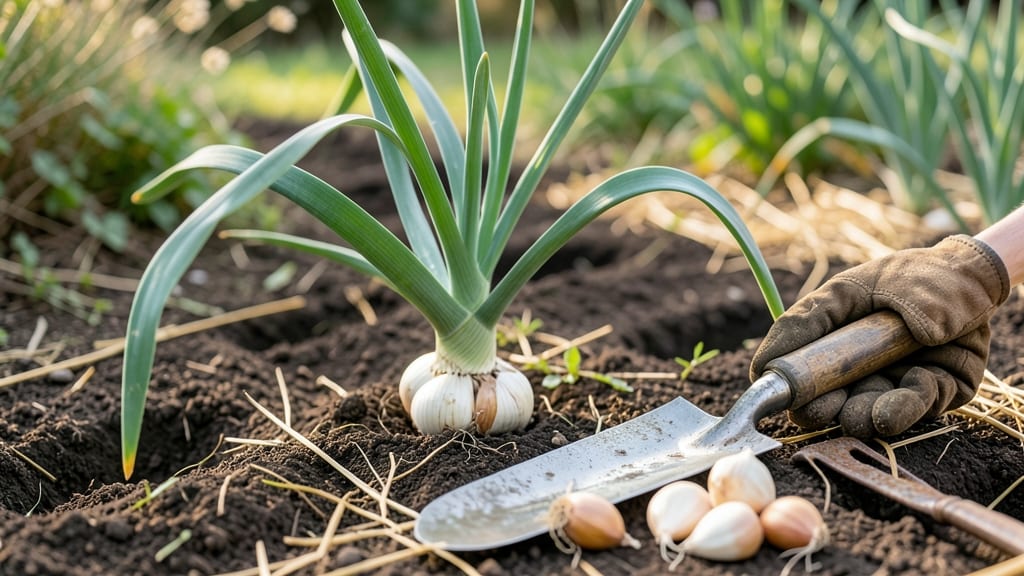
Planting garlic in West Virginia isn’t just about throwing cloves into the ground—it’s about timing them perfectly to beat the 6a zone’s unpredictable frosts and coax out those juicy, flavor-packed bulbs. 🧄 If you’ve ever watched your garlic struggle or rot before harvest, you’re not alone.
The difference between a bountiful crop and a disappointing one often comes down to when you plant.
Here’s the secret: West Virginia’s fall planting window—between October and November—is your golden ticket. Why? Because garlic needs cold weather to develop strong roots before winter dormancy, and WV’s climate gives it just the right chill without killing the cloves.
Miss this window, and you risk weak growth or bulbs that never fully mature.
But there’s more to it than just the calendar. Soil prep, moon phases, and even the type of garlic you choose can make or break your harvest.
I’ll walk you through the exact steps to plant garlic in WV for the best yield, from soil temperature checks to lunar planting tips that actually work.
Ready to grow garlic that’s bigger, healthier, and ready to harvest by late June? Let’s get started—your kitchen (and taste buds) will thank you.
Best planting months for garlic in West Virginia based on climate zones
West Virginia’s USDA hardiness zones 5b-7a create a unique window for planting garlic, where timing directly impacts bulb size and storage life. Unlike warmer climates, WV’s cool fall temperatures are ideal for establishing strong roots before winter dormancy.
Planting too early risks rot from lingering warmth, while late planting may not give roots enough time to harden before frost.
The optimal planting window spans mid-October to early November, aligning with soil temperatures dropping to 50-60°F. This range ensures cloves sprout but don’t send up shoots before winter.
In Zone 5b (northern WV), aim for October 15-30, while Zone 7a (southern WV) can extend to November 10.
Hardneck varieties (like ‘Music’ or ‘German White’) thrive in WV’s climate, producing larger bulbs and flavorful scapes. Plant these 4-6 weeks before ground freeze—typically by November 1 in most areas. Softneck varieties (like ‘Silverskin’) can tolerate slightly later planting but risk smaller yields if frozen before root establishment.
Soil temperature is your best indicator. Use a soil thermometer to confirm 50-60°F at 4-inch depth. If temperatures dip below 40°F before planting, wait—cold soil slows root growth. In Zone 6a (central WV), this usually means October 20-November 5 is your sweet spot.
West Virginia’s humid summers and acidic soils (pH 5.0-6.0) demand extra prep. Amend beds with compost and lime to raise pH to 6.0-7.0 before planting. Raised beds warm faster in spring, giving hardneck garlic a 2-3 week head start on bulb formation.
Here’s how WV’s climate zones break down for garlic planting:
| Zone | Ideal Planting Window | Soil Temp Goal | Variety Recommendation | Key Risk |
|---|---|---|---|---|
| 5b (Northern WV) | Oct 15–30 | 50–60°F | Hardneck (e.g., ‘Chesnok Red’) | Early frost stunts roots |
| 6a (Central WV) | Oct 20–Nov 5 | 50–60°F | Hardneck or softneck | Late planting = smaller bulbs |
| 7a (Southern WV) | Oct 30–Nov 10 | 55–65°F | Softneck (e.g., ‘Artichoke’) | Humidity increases rot risk |
Spring planting is possible but risky in WV. If you miss fall, plant in March—but expect smaller bulbs and shorter storage life. Spring-planted garlic relies on rapid summer growth to mature before frost, which is unreliable in WV’s variable climate.
For best results, prioritize fall planting and save spring for green garlic harvests.
After planting, mulch heavily with straw or leaves (4–6 inches) to insulate bulbs through winter. Remove mulch in early spring to prevent rot. In WV’s Zone 6a, this means late February—just as hardneck scapes begin to emerge, signaling successful root establishment.
Pro tip: Label your rows with planting dates. Compare October vs. November plantings next summer—you’ll likely see 20% larger bulbs from the earlier window. WV’s cool nights and warm days create perfect conditions when timed right.
Best planting months for garlic in West Virginia based on climate zones
West Virginia’s USDA Hardiness Zones 5b-7a create a 6-8 week window for planting garlic, but timing directly impacts your bulb size and storage quality. Most gardeners in WV plant between mid-October and early November, allowing cloves to establish roots before winter dormancy.
This aligns with soil temperatures dropping below 50°F (10°C), signaling garlic to focus on root growth rather than top growth.
The ideal planting window depends on your specific zone: Zone 5b gardeners should plant by October 15th, while Zone 7a gardeners can extend until November 1st.
Planting too early (before 60 days before first frost) risks excessive top growth, while planting too late (after 45 days before first frost) may result in smaller bulbs. For WV’s mid-to-late October first frost, this translates to a 4-6 week window before ground freezes.
| Zone | Ideal Planting Window | Soil Temp Threshold | Bulb Maturity Risk |
|---|---|---|---|
| 5b | October 1-15 | Below 50°F (10°C) | Smaller bulbs if planted late |
| 6a | October 15-31 | Below 50°F (10°C) | Optimal bulb size |
| 7a | November 1-15 | Below 50°F (10°C) | Larger bulbs if planted early |
Choose hardneck varieties like 'German White' or 'Music' for WV’s climate—they thrive in cold winters and produce scape shoots (useful for pesto). Softneck varieties like 'Silverskin' are better for storage but need slightly warmer soil.
Test your soil’s pH (ideal: 6.0-7.0)—WV’s naturally acidic soils may need lime amendments before planting.
For spring planting (less common but possible), plant cloves in early March when soil reaches 40°F (4°C). However, spring-planted garlic typically yields smaller bulbs and stores poorly. If you miss the fall window, consider overwintering cloves indoors until soil warms in spring.
Mulch heavily with straw or leaves (4-6 inches) after planting to insulate cloves through winter. In WV’s humid climate, proper mulching prevents rot and heaving during freeze-thaw cycles. Remove mulch in early spring to allow soil warming for bulb development.
Remember: Garlic planted in fall produces 50-100% larger bulbs than spring-planted garlic. The key is root establishment before dormancy—so don’t wait until the ground freezes! 🌱