
Plants
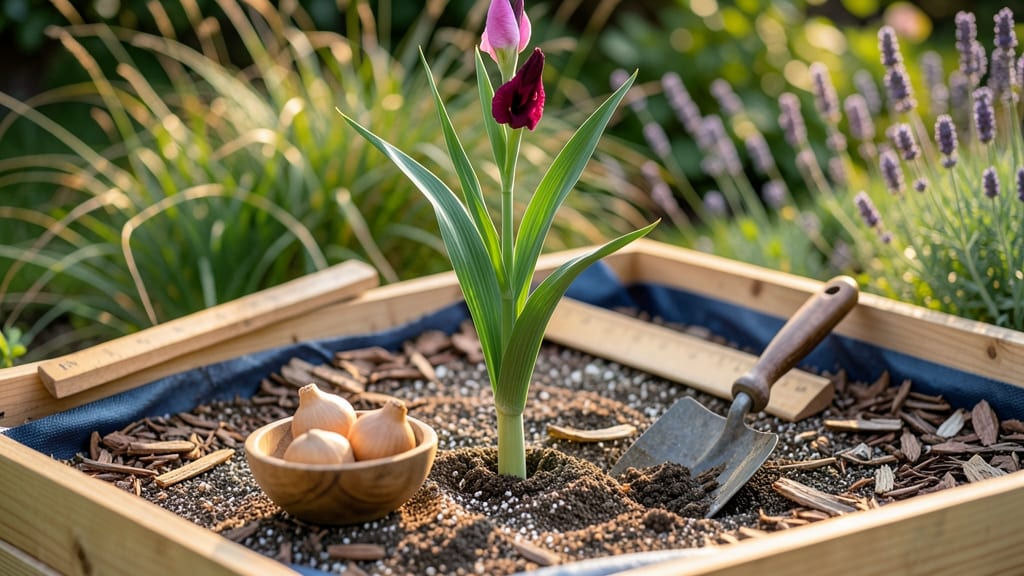
Timing your gladiolus bulb planting in Colorado isn't just about the calendar—it's about surviving the state's dramatic shifts from frost to scorching heat.
If you plant too early, a late freeze could wipe out your 🌸 gladiolus before they even sprout, while waiting too long risks stunted growth from summer's intensity.
Most Colorado gardeners know the general rule: wait until after the last frost, which typically hits around mid-April to mid-May.
But here's the catch—your exact timing depends on whether you're gardening in the Front Range or the Western Slope, where elevation changes everything from soil temperature to frost patterns.
In this guide, I'll break down the perfect planting windows for your specific elevation zone, plus pro tips to adjust for Colorado's unpredictable weather.
Whether you're a first-time grower or a seasoned pro, these strategies will help you avoid common mistakes and get those vibrant blooms from July to September.
Ready to transform your garden into a gladiolus paradise? Let's dive into the science—and the secrets—behind planting these stunning flowers at the right moment, so you can enjoy their dramatic spikes of color all summer long.
Colorado’s gladiolus planting zones by elevation: frost-free timelines
Colorado’s elevation zones dramatically impact when you can safely plant gladiolus bulbs. At lower elevations like Denver (5,280 ft), the last frost typically arrives by mid-April, while high-altitude areas like Aspen (7,800 ft) may not see frost-free conditions until late May.
Understanding these microclimates ensures your glads thrive from the Front Range to the Western Slope.
Gladiolus bulbs need soil temperatures of at least 55°F (13°C) to sprout successfully. In Colorado, this usually aligns with late April to early May in most regions, but mountain valleys can be 2-4 weeks later. Always check your local USDA hardiness zone (5-7) and adjust planting dates accordingly.
For low-elevation gardens (3,000–5,000 ft), like those in Colorado Springs or Pueblo, you can start planting as early as mid-April. However, urban heat islands in cities like Denver may allow slightly earlier planting, while rural areas with cooler nights might need to wait until late April.
Here’s a quick reference for Colorado’s gladiolus planting zones based on elevation:
| Elevation Zone | Avg. Last Frost | Ideal Planting Window | Soil Temp. Trigger | USDA Zone |
|---|---|---|---|---|
| 3,000–5,000 ft (Denver, Colorado Springs) | Mid-April | Late April–Early May | 55°F (13°C) | 6–7 |
| 5,000–7,000 ft (Fort Collins, Manitou Springs) | Late April–Early May | Mid-May | 55–60°F (13–16°C) | 5–6 |
| 7,000+ ft (Aspen, Leadville, Telluride) | Late May–Early June | Early June | 60°F+ (16°C+) | 4–5 |
If you’re unsure about your local frost dates, use the National Weather Service or Almanac.com to check historical averages for your specific area. For example, Grand Junction (4,800 ft) often sees its last frost by April 1st, while Durango (6,500 ft) may not be frost-free until May 15th.
For high-altitude gardens (7,000+ ft), consider starting gladiolus bulbs indoors under grow lights 4–6 weeks before your target outdoor planting date. This head start compensates for the shorter growing season and ensures blooms before the first frost in October.
Once the soil is warm enough, plant bulbs 4–6 inches deep and 6 inches apart in well-draining soil. Add a 2-inch layer of compost to improve fertility, especially in sandy soils common in the Western Slope.
Mulch with straw or shredded leaves to retain moisture and regulate soil temperature.
In urban gardens, like those in Boulder or Aurora, microclimates can create warmer pockets near buildings or fences. Use these areas to plant gladiolus 1–2 weeks earlier than your region’s average last frost date.
Conversely, open fields or mountain meadows may require waiting until mid-May to avoid frost damage.
Remember, gladiolus bulbs are not cold-hardy and will die if exposed to frost. If late frosts are predicted after planting, cover bulbs with frost blankets or row covers until the threat passes. This extra protection can extend your planting window by 1–2 weeks in high-risk areas.
How to adjust gladiolus planting for Colorado’s unpredictable weather patterns
Colorado’s weather can be as unpredictable as a mountain breeze—one day it’s sunny, the next, a late frost sneaks in. For gladiolus growers, this means flexibility is key. Unlike predictable climates, Colorado’s microclimates and elevation shifts demand adjustments to planting schedules.
Whether you're in Denver’s urban heat island or the cool high plains, knowing how to adapt ensures your gladiolus bulbs thrive despite Mother Nature’s whims.
The biggest risk? Late spring frosts that can wipe out tender shoots overnight. Even after your local last frost date, temperatures can dip unexpectedly. I’ve seen May frosts in Colorado Springs delay blooms by weeks, while early heatwaves in Boulder can stress bulbs planted too late.
The solution? A multi-layered approach that includes soil warming, protective mulches, and backup planting dates tailored to your specific microclimate.
- Use black plastic mulch to warm soil by 10-15°F
- Plant in raised beds—they heat up faster than ground soil
- Avoid low-lying areas where cold air pools
For high-altitude gardens (7,000+ ft), the growing season is even shorter. I recommend starting bulbs indoors in March under grow lights, then transplanting hardened-off shoots after May 15. This extends the season by 3-4 weeks and compensates for cooler temperatures.
In lower elevations (3,000–5,000 ft), where heat arrives earlier, aim to plant by mid-April—but always have a backup date of May 1 in case of delays.
Urban heat islands (like Denver or Fort Collins) can also throw off timing. If your garden bakes by June 1, prioritize early-blooming varieties like ‘Green Star’ to avoid heat stress. Conversely, mountain valleys (e.g., Grand Junction) may need June planting to avoid premature bolting. Check your local CoCoRaHS weather station for hyper-local frost data—it’s a game-changer for precision planting.
Don’t forget protective mulches. A 4-inch layer of straw or shredded leaves insulates bulbs from temperature swings and retains moisture. I’ve seen gladiolus in Colorado’s San Luis Valley thrive with this trick, even when nights drop to 30°F.
Pair mulch with cloche covers for the first 2 weeks post-planting—it’s a simple hack that saves blooms.
Finally, track your garden’s performance year after year. Keep a journal noting when you planted, any frost surprises, and bloom times. Over time, you’ll spot patterns—like that June 10 frost in 2022 that ruined my early batch.
Adjust your schedule accordingly, and soon, your gladiolus will bloom reliably, come what may.
🌡️