
Plants
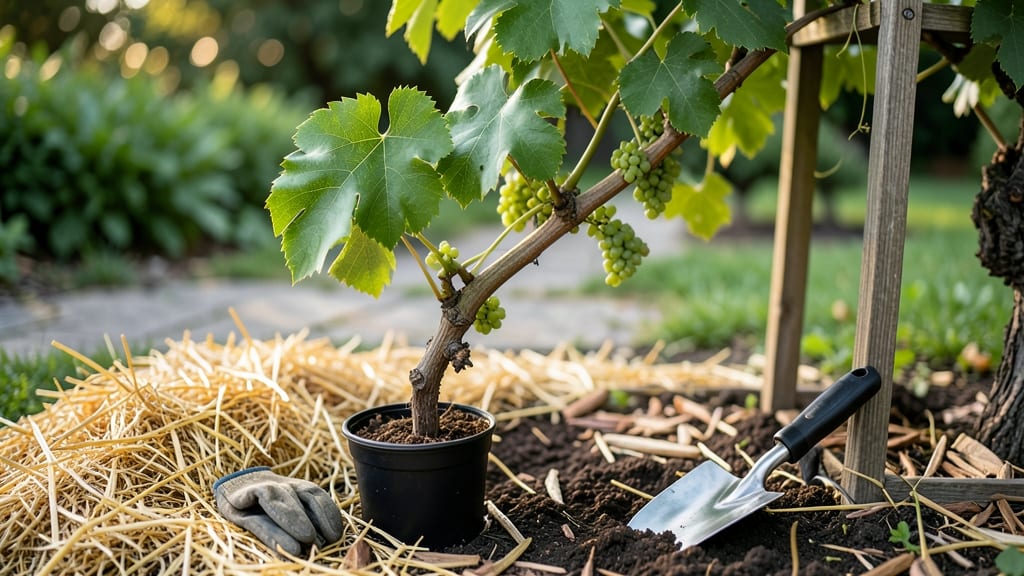
Timing is everything when it comes to planting grape vines in Texas—get it wrong, and your 🍇 vines might struggle to take root before the scorching summer heat sets in.
Texas gardeners know the stakes: too early, and frost can still nip young plants; too late, and the intense summer sun can stress them before they establish.
The key is planting when soil temperatures are just right—typically in late winter to early spring—so roots can grow strong before the heat ramps up.
But here’s the catch: what works in North Texas (where frosts linger) differs from South Texas (where warm spells arrive early). I’ll break down the perfect planting windows for your specific zone, plus pro tips to ensure your vines thrive from day one.
Whether you’re growing Muscadines for shade or Cabernets for wine, knowing when to plant grape vines in Texas is the first step to a bountiful harvest. Let’s get your vines off to the right start.
Best planting months for grape vines in Texas by climate zone
Texas' diverse climate—from North Texas' chilly winters to South Texas' scorching summers—means grape vines need precise timing to thrive. Planting too early risks frost damage, while waiting too long delays root establishment before summer heat arrives.
The key is aligning your planting window with your USDA hardiness zone (6a–10a) and grape variety.
For North Texas (Zones 7b–8a), like Dallas and Fort Worth, late March to early April is ideal—after the last frost but before soil temperatures exceed 70°F.
In Central Texas (Zones 8a–8b), including Austin and San Antonio, February to early March works best, while South Texas (Zones 9a–10a), like Houston and the Rio Grande Valley, can plant as early as January to February to avoid summer stress.
Here’s the visual breakdown of optimal planting months by zone and grape type, including soil temperature and frost risk considerations:
Notice how Muscadines (native to Texas) thrive in cooler North/Central zones but can also handle South Texas heat if planted early. Meanwhile, Vinifera grapes (like Tempranillo) need warmer soil and are best suited for Central/South Texas, where frost is rare. Hybrid varieties offer flexibility across all
Best planting months for grape vines in Texas by climate zone
Texas’s diverse climate—from North Texas’s chilly winters to South Texas’s scorching summers—means grape vines need precise timing to thrive. Planting too early risks frost damage, while late planting can leave vines struggling to establish roots before summer’s heat.
The key is matching your USDA hardiness zone (6-11) with the right variety and planting window.
For North Texas (Zones 7-8), aim for late March to early April when soil temps hit 60°F+. This gives vines 6-8 weeks to root before summer’s 100°F+ heat.
In Central Texas (Zone 8-9), February to mid-March works best, while South Texas (Zones 9-11) gardeners can plant as early as January—just avoid the brutal summer months.
| Zone | Best Planting Window | Soil Temp | Variety Focus |
|---|---|---|---|
| North (7-8) | Late March–Early April | 60°F+ | Muscadine, Norton |
| Central (8-9) | February–Mid-March | 55°F+ | Cabernet Sauvignon, Tempranillo |
| South (9-11) | January–Early February | 50°F+ | Spanish, Flame Seedless |
🌱 Pro Tip: Test soil temps with a soil thermometer—grape roots need warmth to grow!
Fall planting is also an option in Zones 8-11, with September to early November ideal. This lets vines establish roots before winter, but avoid planting after October 15th—new growth won’t harden off in time for freezing temps.
For container-grown vines, extend your window by 2-3 weeks—containers warm faster in spring.
Texas’s microclimates complicate timing. For example, Hill Country areas may need 2 weeks later than Austin due to cooler nights. Always check your local Cooperative Extension Service for last-frost dates—these vary wildly even within 50 miles.
If you’re planting bare-root vines, do it as soon as soil is workable—don’t wait for perfect weather. For potted vines, transplant on a cloudy day to reduce transplant shock. Mulch heavily (3-4 inches) to retain moisture and regulate soil temps—critical in Texas’s extreme heat.
Timing isn’t just about months—it’s about weather patterns. In El Niño years, expect cooler springs and push planting back 10-14 days. Use frost cloth if late frosts threaten your early spring plantings.
With the right timing, your grape vines will burst into growth just as Texas’s summer heat ramps up—setting you up for a bountiful harvest.