
Plants
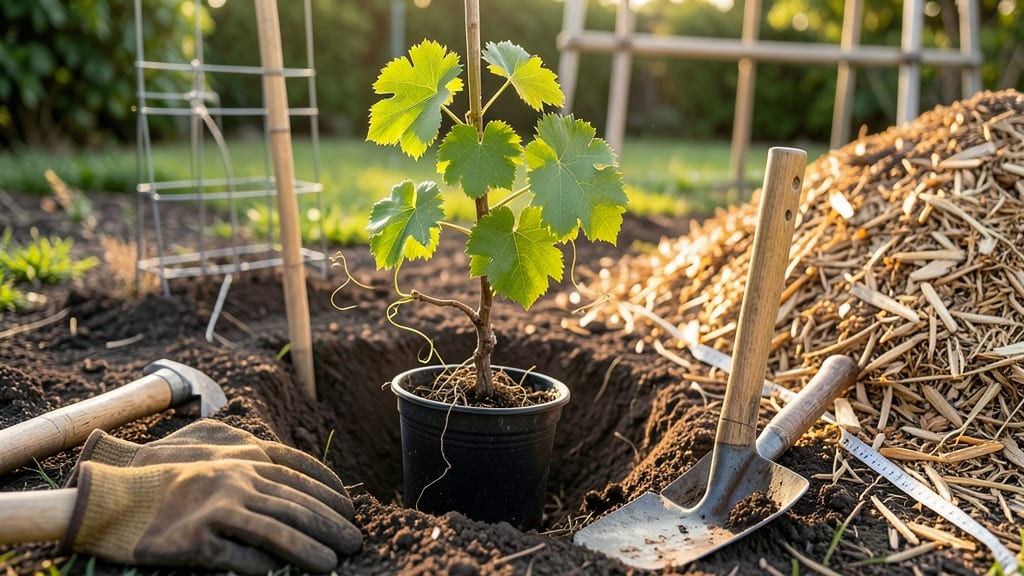
Knowing when to plant grape vines in Zone 7 could mean the difference between a lush, fruit-bearing 🍇 vine and one that struggles to take root. The right timing isn't just about the calendar—it's about soil warmth, frost risks, and whether you're planting bare-root or potted vines.
In Zone 7, where last frosts typically hit around mid-April and first frosts arrive by mid-October, your choices narrow to two prime windows: early spring or fall. Each season offers unique advantages, but getting it wrong could leave your vines vulnerable to cold snaps or heat stress.
I’ll break down the science behind both planting seasons, including soil temperature thresholds and how regional microclimates—like coastal vs. inland areas—can shift your ideal timeline. You’ll also discover how to prep your site for maximum success, whether you’re working with dormant canes or established plants.
By the end, you’ll have a clear plan to plant your grape vines at the perfect moment, setting them up for strong root growth and a bountiful harvest. Let’s get started!
Optimal planting windows in Zone 7: spring vs fall timing explained
Choosing the right time to plant grape vines in Zone 7 is all about balancing soil temperatures, frost dates, and root establishment. Both spring and fall offer advantages, but timing can make or break your vine's success.
Let me break down the best windows for each season and what to watch for.
In Zone 7, spring planting typically runs from mid-March to early April, just after the last expected frost date (usually around April 15). This gives young roots time to establish before summer heat arrives.
Meanwhile, fall planting works best from late September to early October, allowing roots to grow before winter dormancy sets in.
Here’s the key difference: Spring planting gives vines a full growing season to mature, while fall planting reduces stress from summer heat and drought. Both methods work, but your local climate—especially coastal vs. inland—can shift these windows slightly.
For example, inland areas of Zone 7 (like Raleigh, NC) may have earlier last frosts, so you can plant as early as February. Coastal regions (like Charleston, SC) might delay planting until late March due to milder winters and delayed soil warming.
Now, let’s compare the two seasons side by side to help you decide which works best for your Zone 7 garden.
| Factor | Spring Planting (March-April) | Fall Planting (September-October) |
|---|---|---|
| Best For | Fast root establishment before summer | Reduced summer stress and drought |
| Soil Temperature | 50-60°F (10-15°C) | 60-70°F (15-21°C) |
| Frost Risk | Low (after last frost) | Moderate (before first frost) |
| Root Growth Window | 6-8 months | 3-4 months |
| Watering Needs | Moderate (establishing roots) | Low (cooler temps reduce evaporation) |
| Best Vine Type | Bare-root or potted vines | Dormant canes or potted vines |
| Pro Tip | Mulch heavily to retain moisture | Avoid fertilizing to prevent late growth |
If you’re planting in spring, aim for bare-root vines or young potted plants. Soak the roots in water for 1-2 hours before planting to reduce transplant shock. For fall planting, choose dormant canes or potted vines with established roots—these handle cooler temps better.
One mistake I see often is planting too late in spring or too early in fall. If you miss the window, your vines may struggle to establish roots before extreme heat or frost hits. Always check your local last frost date and adjust accordingly.
For coastal Zone 7 gardens, fall planting often works better due to milder winters. Inland areas might lean toward spring planting to avoid early fall rains.
Either way, soil temperature is your best guide—wait until the ground warms to at least 50°F (10°C) for spring or cools to 60°F (15°C) for fall.
Pro tip: If you’re unsure, fall planting is often the safer bet in Zone 7. It gives roots a head start before winter dormancy, and you avoid the stress of summer heat on young vines. Just be sure to plant at least 4-6 weeks before the first frost.
Remember, grape vines are perennials, so taking the time to plant correctly now will pay off for years with healthier vines and better fruit production. 🍇
Optimal planting windows in Zone 7: spring vs fall timing explained
In Zone 7, grape vines thrive when planted during two distinct windows: early spring (March-April) or fall (September-October). The key difference lies in soil temperatures and vine dormancy. Spring planting aligns with rising temperatures, while fall planting allows roots to establish before winter dormancy begins.
For spring planting, aim for when soil temperatures reach 50°F (10°C)—typically mid-March to early April in most of Zone 7. This timing ensures vines wake from dormancy and begin active growth without risking frost damage.
Coastal areas may plant slightly earlier, while inland regions should wait until after the last frost date (usually mid-April).
| Factor | Spring Planting (March-April) | Fall Planting (September-October) |
|---|---|---|
| Soil Temperature | 50-60°F (10-15°C) | 60-70°F (15-21°C) |
| Vine Condition | Bare-root or potted vines | Dormant canes (bare-root) |
| Frost Risk | Low (after last frost) | Moderate (plant 4-6 weeks before first frost) |
| Root Establishment | 6-8 weeks before summer heat | 8-10 weeks before dormancy |
| Best For | Fast growth, early harvest | Established root systems, winter hardiness |
Fall planting offers advantages for root establishment before winter. Plant dormant canes in September-October, allowing roots to grow undisturbed until spring. This method works best when soil temperatures remain above 60°F (15°C) and you have 8-10 weeks before the first frost (typically mid-October in Zone 7).
Regional variations matter in Zone 7. Coastal areas like North Carolina's Outer Banks can plant grape vines 2-3 weeks earlier than inland regions like Tennessee's Nashville. Check your local USDA frost map to adjust timing.
For example, Charlottesville, VA (Zone 7a) may plant in late March, while Atlanta, GA (Zone 7b) can start in early March.
Both seasons require well-draining soil and full sun exposure. Spring planting prioritizes active growth, while fall focuses on root development. Choose based on your climate, vine variety, and whether you prefer early harvests (spring) or hardier plants (fall).
Pro tip: Use mulch after planting to retain moisture and regulate soil temperature, whether you plant in spring or fall. This simple step can improve survival rates by 30% in Zone 7's variable climate. 🌱