
Plants
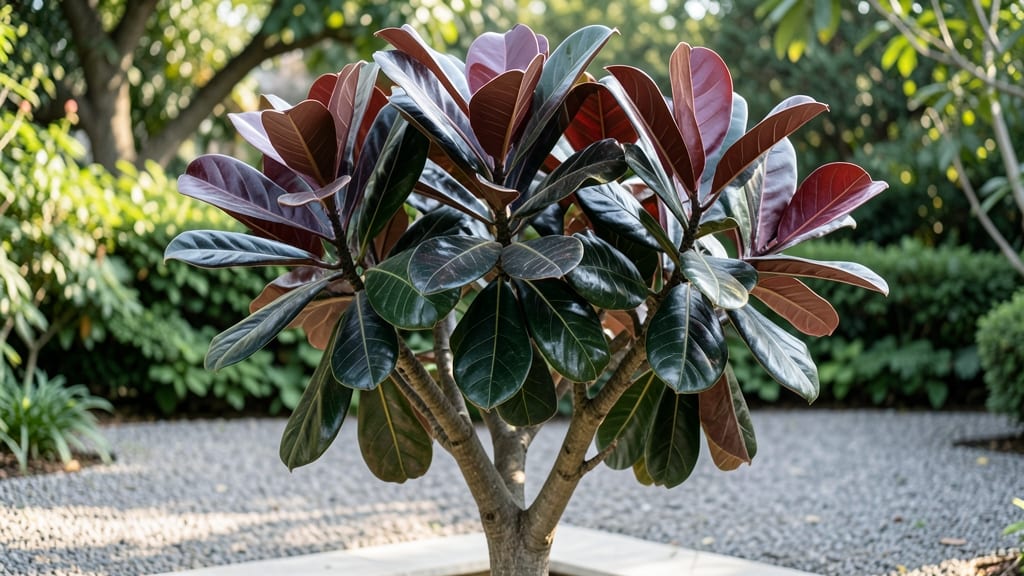
Wondering how tall a rubber plant can grow and whether your leafy friend will soon tower over your living room like a jungle giant? The answer depends more on its variety and care than you might think—some stay compact while others reach 10 feet tall with the right conditions.
If you've ever glanced at a rubber plant and wondered whether it'll fit your shelves or need a ceiling hug, you're not alone. These hardy houseplants are famous for their dramatic growth potential, but their final height isn't set in stone.
With the right light, water, and occasional pruning, you can steer their growth toward your ideal size—whether that's a 3-foot desk companion or a 6-foot statement piece.
Let's break down exactly what to expect from different rubber plant varieties and how simple adjustments to your care routine can keep them at your preferred height. You'll also discover the game-changer pruning techniques that can transform a leggy plant into a bushy, manageable beauty.
Whether you're a first-time plant parent or a seasoned grower, these insights will help you create the perfect environment for your rubber plant—so you can enjoy its lush foliage without the surprise of it suddenly becoming a ceiling decoration.

Rubber plant height by variety: small to towering growth expectations
The rubber plant (Ficus elastica) is a versatile houseplant that can range from a compact desk buddy to a room-dividing giant, depending on the variety and care. While some types stay under 3 feet tall, others can soar to 10 feet or more with proper conditions.
Understanding these differences helps you choose the right variety for your space and manage its growth effectively.
Most rubber plants grow 1 to 2 feet per year under ideal conditions, but their mature height varies significantly. For example, the 'Decora' variety typically stays between 3 and 6 feet tall, while the 'Black Prince' can reach 10 feet or taller in optimal settings.
Leaf size, stem thickness, and branching habits also play a role in how tall your plant will grow.
Here’s how the most popular rubber plant varieties compare in terms of height and growth habits:
The 'Robusta' variety, for example, is known for its rapid vertical growth and can easily outgrow indoor spaces if not managed. Meanwhile, the 'Variegata' grows more slowly due to its energy-intensive variegated leaves, which require more sunlight to maintain their color.
If you’re working with limited space, varieties like 'Decora' or 'Burgundy' are excellent choices for controlled height.
Light exposure is another critical factor in height. Rubber plants grown in bright, indirect light tend to grow taller and more robustly, while those in low-light conditions may develop long, leggy stems as they stretch toward light sources.
To encourage a bushier, more compact plant, rotate it quarter-turns weekly to ensure even light exposure on all sides.
Soil quality and pot size also influence height. Rubber plants in smaller pots will grow more slowly until their roots fill the container, while oversized pots can lead to rapid, unchecked growth.
Aim for a pot that’s only 1–2 inches larger in diameter than the root ball to maintain a manageable size. Repotting every 2–3 years or when roots emerge from drainage holes helps regulate growth.
If you’re growing your rubber plant outdoors in USDA Zones 10–12, it can reach its full height potential, often exceeding 10 feet with proper care. In colder climates, treat it as a houseplant and expect slightly slower growth due to reduced light intensity during winter months.
Even indoors, with the right care, your rubber plant can become a stunning vertical focal point in your home.
For those concerned about ceiling-height plants, don’t worry—pruning and training can keep even the tallest varieties in check. Next, we’ll explore how to manage your rubber plant’s height through simple techniques like tip pruning and support training to create a plant that fits your space perfectly.
Rubber plant height by variety: small to towering growth expectations
Rubber plants (Ficus elastica) are famous for their striking foliage and dramatic growth potential, but their mature height can vary dramatically depending on the variety. Some stay compact enough for a desk, while others grow tall enough to rival small trees.
Understanding these differences helps you choose the right plant for your space and care goals.
The standard rubber plant typically reaches 6 to 10 feet tall indoors with proper care, but many modern varieties have been bred to stay shorter. For example, the 'Decora' variety usually tops out at 4 to 6 feet, making it ideal for shelves or countertops.
Meanwhile, the 'Black Prince' can grow just as tall as the standard type, but its deep purple-black leaves add a bold statement.
Other varieties like 'Burgundy' or 'Variegata' (with its creamy white variegation) also reach similar heights, but their leaf patterns and colors influence how they’re displayed.
Smaller varieties, such as 'Robusta', often stay between 3 to 5 feet, perfect for tight spaces or as a focal point in a corner.
| Variety | Mature Height (Indoors) | Growth Rate | Best For |
|---|---|---|---|
| Standard Rubber Plant | 6–10 ft | Moderate (1–2 ft/year) | Large spaces, statement plants |
| 'Decora' | 4–6 ft | Slow to moderate | Shelves, countertops |
| 'Black Prince' | 6–10 ft | Moderate | Dramatic foliage, large rooms |
| 'Burgundy' | 5–8 ft | Moderate | Medium spaces, colorful displays |
| 'Variegata' | 5–7 ft | Slow | Bright light areas, variegated lovers |
| 'Robusta' | 3–5 ft | Slow | Small spaces, desk plants |
Leaf size also plays a role in height. Larger leaves, like those on the 'Black Prince', can make a plant appear bushier and fuller, while smaller leaves on varieties like 'Robusta' encourage a more compact, upright form.
If you’re working with limited vertical space, varieties with narrower leaves or natural branching habits (like 'Tineke') are excellent choices.
Another key factor is whether your rubber plant develops multiple stems. Some varieties naturally branch out, creating a bushier, wider plant that grows more horizontally than vertically. Others, like the standard type, grow as single-trunk trees unless you intervene with pruning.
This is where training techniques come into play—more on that in the next section!
Remember, even within a variety, growth depends on your care routine. A 'Decora' left in low light may stay shorter than one basking in bright, indirect sunlight. The same goes for watering and humidity—both can accelerate or slow growth dramatically.
With the right conditions, even a 3-foot variety can reach surprising heights, while a neglected standard type might never hit its full potential.