
How To
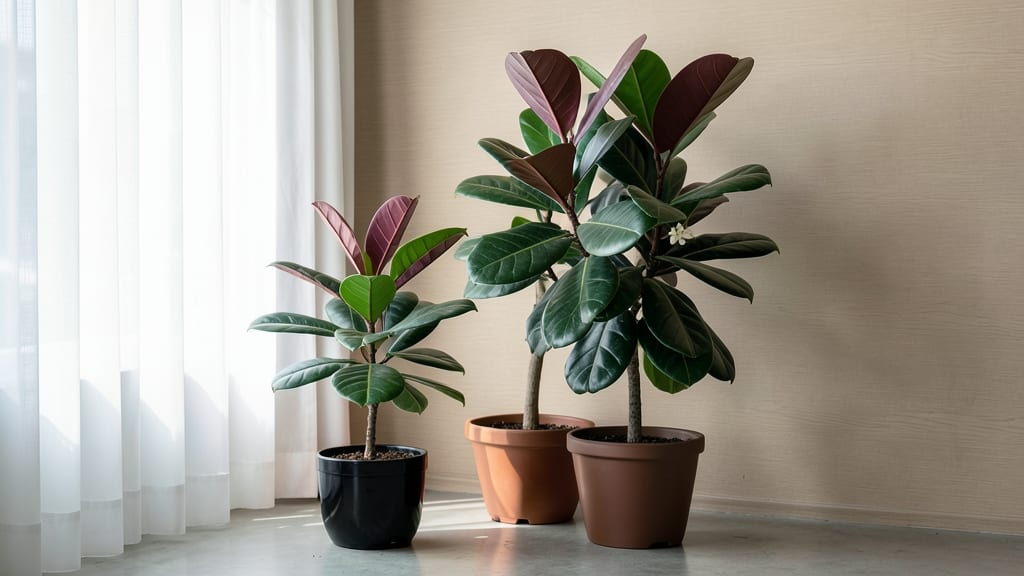
Ever wondered how tall a rubber plant can grow and whether your leafy friend will one day reach for the ceiling or stay put on a shelf? The answer lies in understanding the growth habits of these striking plants—and how to guide their height to fit your space perfectly.
Rubber plants (Ficus elastica) are famous for their bold leaves and dramatic height potential, but their size depends on more than just genetics. With the right care, you could be looking at a towering 10-foot beauty—or a compact 3-foot statement piece.
The key is knowing how light, pruning, and pot size influence their vertical journey.
In this guide, I’ll break down exactly how tall different Rubber Plant varieties grow, plus the science behind controlling their height. Whether you’re dealing with a fast-growing Black Prince or a slower-growing Tineke, you’ll learn how to shape your plant’s future—without sacrificing its health.
Ready to turn your Rubber Plant into the perfect size for your space? Let’s dive into the growth secrets that’ll have your plant thriving at exactly the height you want.

Rubber plant height by variety: growth chart comparison
Rubber plants (Ficus elastica) are famous for their dramatic height variations—some stay petite while others become towering giants. The key difference? Variety. Compact cultivars like Tineke max out at 3-4 feet, while standard types like Black Prince can hit 10 feet indoors.
Understanding these differences helps you choose the perfect plant for your space and growth goals.
Growth rates also vary: most rubber plants grow 6-12 inches per year under ideal conditions. However, outdoor plants in warm climates can grow 2-3 times faster than their indoor counterparts. Let’s break down the most popular varieties and their mature heights to help you predict your plant’s future size.
📊 Visual Growth Chart: Below is a side-by-side comparison of 6 common rubber plant varieties, including their mature heights, growth rates, and ideal care conditions. Use this as your reference when selecting a new plant—or adjusting care for your existing one.
| Variety | Mature Height (Indoor) | Growth Rate (Per Year) | Key Features |
|---|---|---|---|
| Black Prince | 6-10 ft | 12-18 in | Dark purple-black leaves; fastest grower |
| Burgundy | 5-8 ft | 10-14 in | Deep burgundy leaves; moderate growth |
| Tineke | 3-4 ft | 6-10 in | Variegated cream/pink; slowest grower |
| Robusta | 8-12 ft | 18-24 in | Large, glossy green leaves; outdoor favorite |
| White Princess | 4-6 ft | 8-12 in | Creamy-white variegation; needs bright light |
| Variegata | 5-7 ft | 10-14 in | Cream/yellow variegation; slower growth |
📏 Note: Heights are for indoor plants. Outdoor plants can grow 2-3x taller in warm climates.
If you’re eyeing a tall rubber plant like the Robusta or Black Prince, expect it to reach ceiling height within 3-5 years with proper care. For smaller spaces, Tineke or White Princess are ideal—they stay under 4 feet and thrive in bright, indirect light.
Pro tip: Light exposure is the #1 factor affecting height. Plants in south-facing windows grow 30% taller than those in north-facing spots. If your rubber plant is growing too slowly, move it closer to a bright, indirect light source (like a sheer-curtain window) to encourage vertical growth.
For outdoor rubber plants, growth skyrockets in USDA Zones 10-12, where they can reach 15+ feet in ideal conditions. However, they’re not frost-tolerant—bring potted plants indoors before temperatures drop below 50°F. Even in containers, outdoor plants grow 50% faster than their indoor counterparts due to unlimited sunlight.
🌱 Did You Know? The world’s tallest rubber plant (a Ficus elastica hybrid) measured 25 feet tall in a greenhouse setting! With the right care, your plant could one day compete for that title—just be ready for the pruning marathon.
Need to control height? The next section covers pruning techniques to keep your rubber plant at your desired size—whether that’s a compact tabletop plant or a floor-filling statement piece.
How to control rubber plant height: pruning and care tips
If you’re aiming for a compact rubber plant or a towering indoor tree, pruning is your secret weapon. Unlike many plants, rubber plants respond beautifully to pruning—you can shape them to stay under 3 feet or encourage them to reach 10 feet with the right techniques.
The key is timing and method: prune at the right time of year and use the correct tools to avoid stressing your plant.
For height control, I recommend pruning in late winter or early spring when the plant is just waking up from dormancy. This is when it’s most resilient and ready to redirect its energy.
Simply cut back the top 2-3 inches of the stem at a 45-degree angle just above a leaf node. This encourages bushier growth and prevents leggy, top-heavy plants that topple over.
Want to promote vertical growth? Skip heavy pruning and focus on giving your rubber plant plenty of bright, indirect light—this signals the plant to grow taller. Place it near an east-facing window where it gets morning sun without harsh afternoon rays.
Rotate the pot every few weeks so all sides get equal light exposure, which prevents lopsided growth that can make a plant lean dangerously.
Here’s a pro tip: If your rubber plant is growing too fast and becoming unruly, prune the stems just below a leaf node in early summer. The plant will redirect energy into new side shoots, creating a fuller, more balanced shape.
Just avoid cutting into the milky sap—it’s irritating and can harm the plant if over-handled.
Step-by-Step Pruning Guide
- Choose the right time: Late winter or early spring for height control; early summer for bushier growth.
- Gather tools: Clean, sharp pruners or shears (sterilize with rubbing alcohol).
- Locate leaf nodes: These are the bumps on the stem where new leaves and branches grow.
- Make the cut: Angle cuts at 45 degrees, ¼ inch above a leaf node.
- Propagate cuttings: Place stem cuttings in water or soil to grow new plants!
Don’t forget about pot size—it plays a huge role in height control. Rubber plants in smaller pots (1-2 inches smaller than the root ball) will grow slower and stay more compact.
If you want a taller plant, upgrade to a pot that’s 2-3 inches larger in diameter to give roots more room to explore. Just ensure the pot has drainage holes to prevent root rot, which can stunt growth entirely.
Finally, fertilize wisely. Use a balanced fertilizer (10-10-10) every 4-6 weeks during spring and summer to fuel steady growth. Too much fertilizer can lead to leggy, weak stems, while too little will slow height progression. Always water thoroughly after fertilizing to help nutrients absorb properly.
With these tips, you’ll have a rubber plant that grows exactly how you want—whether you’re dreaming of a floor-to-ceiling statement piece or a shelf-sized statement maker. Happy pruning! 🪴