
How To
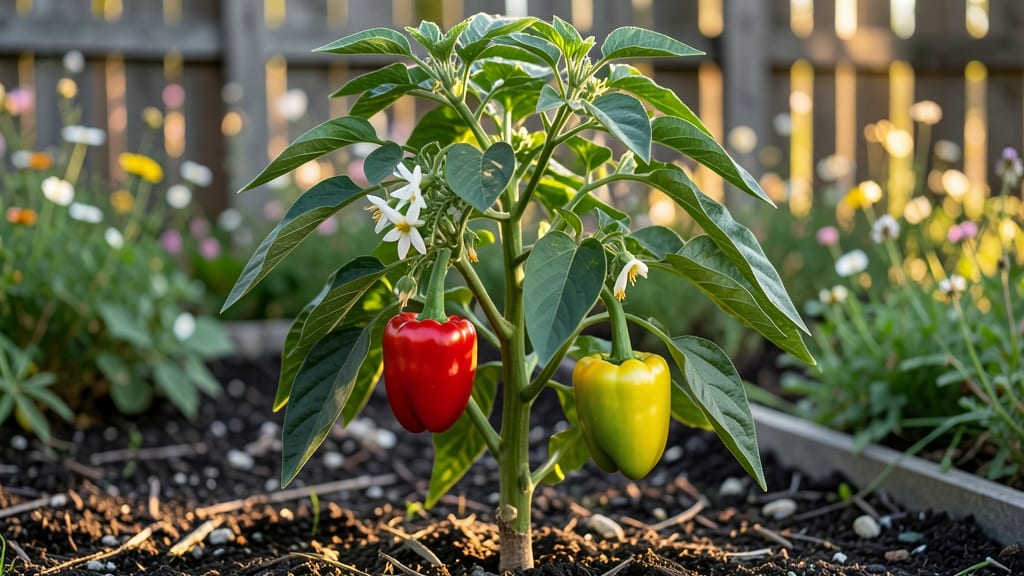
Wondering how tall does bell pepper plant grow and whether your small garden can handle them? These vibrant 🌶️ plants pack serious flavor into surprisingly manageable spaces—if you know the right tricks.
Standard varieties typically reach 2 to 4 feet, but compact types can stay as short as 12 to 18 inches, making them perfect for containers or tight garden beds.
The key to maximizing your harvest isn't just choosing the right variety—it's understanding how sunlight, pruning, and support systems can shape their growth.
In this guide, I’ll break down everything you need to know about bell pepper heights, from dwarf varieties that thrive in pots to towering plants that benefit from trellises. You’ll also discover how to control their size without sacrificing those juicy, colorful peppers you love.
Whether you’re working with a balcony garden or a backyard plot, these insights will help you grow more peppers in less space—without the guesswork. Let’s get started!

Standard bell pepper plant heights: from compact to towering varieties
When planning your bell pepper garden, knowing the mature height of each variety helps you design a space-efficient layout. Most standard bell pepper plants reach 2 to 4 feet tall, but their growth habits vary widely.
Understanding these differences ensures you allocate the right space while maximizing your harvest potential.
Bell peppers fall into three main height categories: dwarf varieties (1–2 feet), standard bush types (2–3 feet), and indeterminate or tall varieties (3–5 feet). The variety you choose directly impacts your garden’s layout and support needs, so let’s break down what to expect for each type.
🌶️ Bell Pepper Height Summary
| Variety Type | Mature Height | Growth Habit | Space Needs |
|---|---|---|---|
| Dwarf Varieties | 12–18 inches | Bush-type, compact | 12–18 inches apart |
| Standard Bush | 24–36 inches | Bushy, upright | 18–24 inches apart |
| Indeterminate/Tall | 3–5 feet | Vining, sprawling | 24–36 inches apart (needs support) |
Dwarf varieties like 'Lunchbox' or 'Jupiter' are perfect for containers or small garden beds, staying under 18 inches tall. These compact plants produce plenty of peppers without needing extra space, making them ideal for urban gardeners or balcony setups.
Standard bush-type bell peppers, such as 'California Wonder' or 'King of the North', typically grow 2 to 3 feet tall. These varieties thrive in traditional garden rows with 18–24 inches of spacing between plants. Their upright growth habit makes them low-maintenance and great for beginners.
On the taller side, indeterminate varieties like 'Monarch' or 'Aristotle' can reach 4–5 feet tall and may require trellises or cages to support their vining growth. These plants produce fruit continuously throughout the season but need extra space and support to prevent sprawling.
If you’re growing bell peppers in containers or raised beds, choose dwarf or semi-dwarf varieties to avoid overcrowding. Even standard bush types can work in large containers (at least 12–15 gallons per plant) if you provide adequate drainage and sunlight.
For maximum yield in limited space, consider pruning techniques to control height while encouraging bushier growth. Removing suckers (side shoots) can redirect energy to fruit production rather than vertical growth, keeping plants more manageable.
Always check the seed packet or plant tag for specific height expectations, as some hybrids or heirlooms may deviate from standard ranges. For example, 'Snackable' stays under 12 inches, while 'Big Beautiful' can exceed 4 feet without support.
Understanding these height differences helps you plan your garden layout efficiently, ensuring every plant has enough room to thrive without competing for sunlight or nutrients. Whether you’re working with a small balcony or a large backyard, choosing the right variety sets the stage for a successful harvest.
Standard bell pepper plant heights: from compact to towering varieties
Bell pepper plants come in a stunning range of heights, from dwarf varieties perfect for containers to tall indeterminate types that climb like vines. Understanding these differences helps you plan your garden layout and maximize space.
Most standard bell pepper plants reach 2 to 4 feet tall, but their growth habits vary significantly between varieties.
The height of your bell pepper plant directly impacts its yield potential and how you should care for it. For example, bush-type varieties stay compact, making them ideal for small gardens, while indeterminate types can grow 4 to 5 feet tall and produce peppers all season long.
Let’s break down the key categories to help you choose the right fit for your space.
| Variety Type | Mature Height | Growth Habit | Space Needs |
|---|---|---|---|
| Dwarf Varieties | 12–18 inches | Bushy, compact | Containers or 12" spacing |
| Standard Varieties | 24–36 inches | Upright, bushy | 18–24" spacing |
| Indeterminate Varieties | 4–5 feet | Vining, continuous growth | Trellis or 36" spacing |
If you’re growing standard varieties like 'California Wonder' or 'King of the North,' expect plants to reach 3 feet tall with a spread of about 18 inches. These are perfect for in-ground gardens but may need staking if your soil is loose.
Meanwhile, indeterminate varieties like 'Sweet Banana' can climb 5 feet or more if left unchecked, making them ideal candidates for trellises or cages.
For small-space gardening, dwarf varieties such as 'Lunchbox' or 'Snackable' stay under 18 inches tall and thrive in 5-gallon containers. These compact plants produce peppers just as flavorful as their taller cousins but require far less room.
The trade-off? They may yield slightly fewer peppers, but the convenience often makes up for it.
Another factor influencing height is pruning practices. Regularly pinching back the tips of indeterminate varieties encourages bushier growth and can reduce their height by 1 to 2 feet. This technique also improves air circulation, reducing the risk of fungal diseases like powdery mildew.
Even if you’re not pruning, knowing your plant’s natural height helps you plan for support structures early in the season.
Remember, the height of your bell pepper plant isn’t just about aesthetics—it affects how you harvest and maintain the plant. Taller varieties may need regular pruning to keep them manageable, while dwarf types require less maintenance but may need more frequent watering due to their smaller root systems.
Choose wisely based on your garden’s layout and your willingness to provide support.