
How To
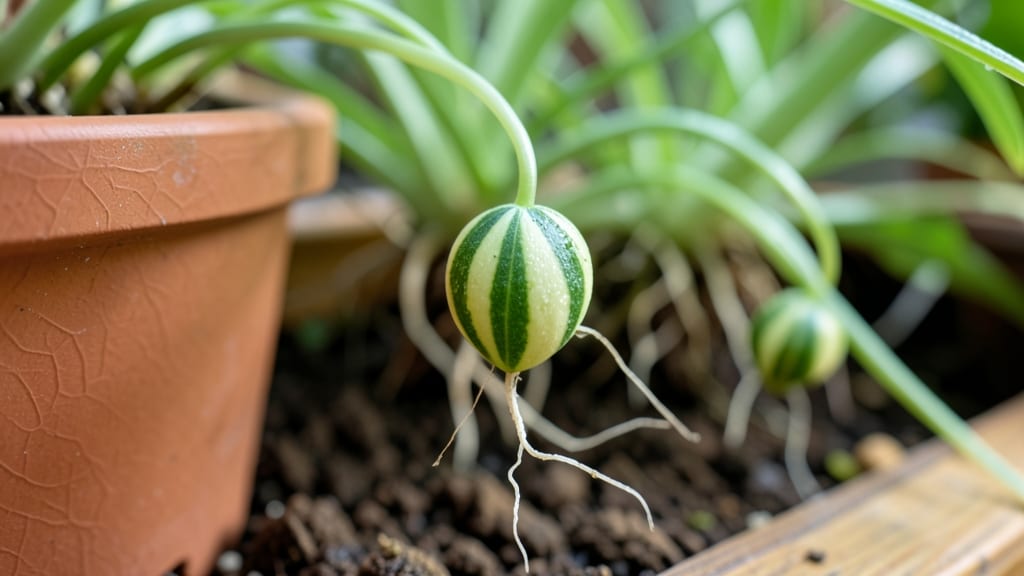
Figuring out how much water a spider plant 🕷️ needs can feel like walking a tightrope—too little, and it wilts; too much, and you risk root rot. The good news? Spider plants are forgiving, but they do thrive with a consistent routine that matches their natural rhythms.
Most gardeners make one of two mistakes: either letting their spider plant sit in soggy soil or waiting until the leaves are crispy before watering. Both approaches stress the plant unnecessarily. The key is understanding when the soil is truly dry enough to water—without guessing.
In this guide, I’ll break down the exact watering schedule your spider plant craves, from seasonal adjustments to the simple soil test that saves plants (and sanity). You’ll also learn how to spot the subtle signs of thirst versus overwatering—so you can keep those lush, arching leaves happy year-round.
Ready to master the art of spider plant hydration? Let’s dive into the 3-zone soil test and other pro tips that’ll have your plant thriving in no time.

How often to water a spider plant: the 3-Zone soil test method
Spider plants 🕷️ thrive on a consistent but flexible watering routine, and the secret lies in understanding their root zone. Unlike many houseplants, spider plants prefer their soil to dry out slightly between waterings—but only up to a point.
The 3-zone soil test is my go-to method to avoid both underwatering and overwatering, and it’s easier than you think.
Here’s how it works: Stick your finger into the soil at three different depths—top 1 inch, middle 2 inches, and bottom 3 inches. If the top inch feels dry while the middle and bottom zones still hold moisture, it’s time to water.
This method mimics the plant’s natural preference for well-draining soil and prevents root suffocation.
The 3-zone test also accounts for humidity and container size. In a small 6-inch pot, you might water every 5-7 days, while a large 12-inch pot could go 10-14 days between waterings. The key is adjusting based on your plant’s unique environment.
🌱
Climate plays a huge role in watering frequency. In humid environments, like bathrooms or kitchens, spider plants may only need water every 10-14 days.
Meanwhile, in dry, heated spaces, you might water as often as every 5-7 days. Always check the soil first—don’t rely solely on a calendar.
One common mistake I see is watering based on a rigid schedule. If your spider plant’s leaves start drooping slightly by midweek, it’s a sign to check the soil. Drooping can mean either thirst or overwatering, so combine the 3-zone test with a visual inspection of the foliage.
For terracotta pots, which dry out faster, I recommend watering 2-3 days sooner than you would for plastic containers. The porous material wicks moisture away, creating a drier environment that spider plants actually prefer.
Just be mindful of cracked pots, which can dry out too quickly and stress the roots.
Pro tip: Always water in the morning. This gives excess moisture time to evaporate during the day, reducing the risk of fungal issues. Avoid watering at night, as damp leaves can encourage mold growth in the humid conditions many spider plants love.
💧
If you’re still unsure whether your spider plant needs water, look for subtle cues like soil pulling away from the pot edges or leaves losing their plumpness.
These are clear signals that the top zone is dry enough for a drink. Remember, spider plants are resilient—they’d rather be slightly underwatered than soggy.
Best watering practices for spider plants: containers, seasons, and pro tips
Your spider plant’s watering needs aren’t one-size-fits-all—they shift with container size, seasonal heat, and even your home’s humidity. For example, a 6-inch pot dries out faster than a 10-inch container, while summer’s heat demands more frequent watering than winter’s chill.
Let’s break down the exact adjustments you need to keep your plant thriving without the guesswork.
Start by choosing the right container. A pot with drainage holes is non-negotiable—stagnant water leads to root rot in days. If you’re repotting, opt for terracotta or ceramic; they wick away moisture faster than plastic.
Pro tip: Larger pots = less frequent watering. A 12-inch pot might only need water every 10-14 days in winter, while a 4-inch pot could dry out in 5-7 days during summer.
💧 5 Pro Tips to Perfect Your Spider Plant Watering
- 1. The Finger Test: Stick your finger 1-2 inches into the soil. If it feels dry, water thoroughly until it drains from the bottom.
- 2. Bottom Watering: Place the pot in a tray of water for 10-15 minutes to hydrate evenly without over-saturating the topsoil.
- 3. Seasonal Adjustments: Water every 5-7 days in summer but bi-weekly in winter when growth slows.
- 4. Morning Watering: Always water in the morning to let excess moisture evaporate by evening, reducing fungal risks.
- 5. Mulch Matters: Add a 1-inch layer of mulch (like orchid bark) to retain moisture and regulate soil temperature.
Humidity plays a sneaky role too. If your home is dry (think 30% humidity or lower), your spider plant will signal thirst faster—drooping leaves or crispy tips are red flags. In humid climates (50%+ humidity), you can stretch watering intervals by 2-3 days.
To boost humidity naturally, place your plant on a pebble tray filled with water or group it with other houseplants.
One of my favorite self-watering hacks is the ice cube trick. Drop 2-3 ice cubes into the soil every 3-4 days during hot months. This mimics natural rainfall, keeping roots hydrated without soggy soil. It’s perfect for busy gardeners or when you’re traveling—just ensure the pot has drainage!
Finally, watch for seasonal cues. In spring and summer, your spider plant’s growth spikes, so it’ll drink more water. Reduce frequency in fall and winter, even if the soil feels dry at the surface.
The roots are resting, and overwatering here is a fast track to root rot. Always err on the side of underwatering—your plant will bounce back from thirst faster than from soggy roots.
With these container tweaks, seasonal shifts, and pro tips, your spider plant will stay perky and productive—even if you’re not a watering schedule perfectionist. Consistency is key, but flexibility keeps it alive and thriving. 🌱