
Plants
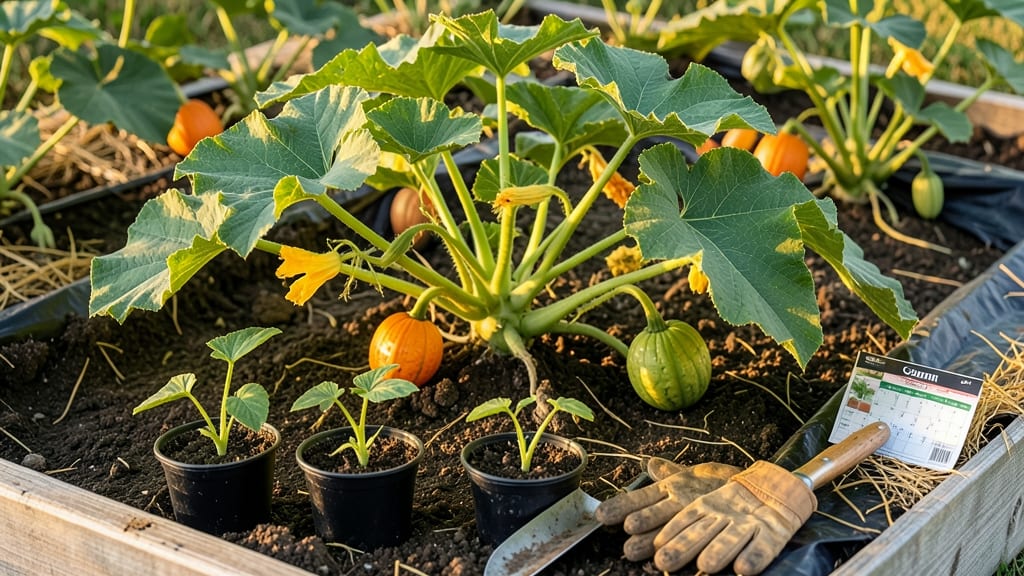
Timing your pumpkin seed planting in Indiana can mean the difference between a thriving harvest of 🎃 and a sad, wilted vine. With USDA zones 5b-6b and unpredictable spring weather, knowing exactly when to plant is the key to success.
Most Indiana gardeners wait until mid-April to mid-June—after the last frost—to sow pumpkin seeds directly outdoors. But here’s the catch: soil temperatures need to hit at least 60°F for seeds to germinate properly.
If you’re in a cooler microclimate, you might need to adjust your schedule or even start seeds indoors.
In this guide, I’ll break down the best planting windows for summer and winter squash varieties, share frost-proofing tips, and help you avoid common mistakes. Whether you’re growing giant jack-o’-lanterns or sweet pie pumpkins, getting the timing right is everything.
Let’s dive into the zone-specific dates and strategies that will give you the best pumpkin yield in Indiana—no more guesswork, just guaranteed growth.
Indiana pumpkin planting dates by hardiness Zone (5-6a) and variety type
Indiana’s USDA Zones 5b-6b mean pumpkin planting dates can shift dramatically between years—but knowing your last frost date and soil temperature is key. Most Hoosier gardeners aim for mid-April to mid-June, but late frosts (common in Zone 5) demand flexibility.
For summer squash (like zucchini), you can plant slightly earlier, while winter squash (like butternut) needs a longer season.
Soil temperature is your real deadline: pumpkin seeds need 60°F+ soil to germinate. Use a soil thermometer—if it’s cooler, wait or start seeds indoors.
In Zone 6b (southern Indiana), you might plant by April 15, but in Zone 5b (northern Indiana), push back to May 1 to avoid frost damage. Always check your local Almanac frost dates for precision.
🎃 Pro Tip: Indiana’s 165-day frost-free season is tight for large pumpkins. Prioritize 75-90-day varieties (like ‘Howden’ or ‘Jack Be Little’) to guarantee harvest before October’s first frost. Smaller varieties mature faster and handle cooler temps better.
| Variety Type | Zone 5b (Northern IN) | Zone 6b (Southern IN) | Soil Temp Requirement | Key Notes |
|---|---|---|---|---|
| Summer Squash (e.g., zucchini) | April 25–May 10 | April 10–April 25 | 55°F+ | Fast-growing; harvest in 45–55 days |
| Winter Squash (e.g., butternut) | May 1–May 15 | April 20–April 30 | 60°F+ | Needs 90–100 days; store well after harvest |
| Pumpkins (e.g., Howden, Sugar Pie) | May 1–May 10 | April 25–May 5 | 60°F+ | 75–90 days; space hills 4–6 ft apart |
| Dwarf Varieties (e.g., Jack Be Little) | April 25–May 10 | April 15–April 25 | 55°F+ | Compact vines; ideal for containers or small spaces |
For direct-sowing outdoors, create mound hills (3–4 seeds per hill, 1 inch deep) to improve drainage and warmth. Space hills 4–6 feet apart—pumpkin vines spread aggressively!
If your soil stays cool past May 15, opt for biodegradable seed starters or black plastic mulch to warm the soil faster.
Indiana’s microclimates matter: gardeners in southern Indiana (Zone 6b) can push planting dates earlier, while those in northern Indiana (Zone 5b) should err on the side of caution.
Use row covers for early plantings to shield seedlings from unexpected late frosts (which can hit as late as May 10 in some years).
🌱 Key Takeaway: Indiana’s 165 frost-free days are precious—prioritize fast-maturing varieties and soil warmth over early planting. If your last frost date slips to May 1, adjust by planting dwarf varieties or starting seeds indoors for a 4-week head start.
Don’t forget to harden off seedlings for 7–10 days before transplanting. Acclimate them to Indiana’s wind and sun gradually to avoid transplant shock. For container gardening, choose dwarf varieties like ‘Jack Be Little’ and use 5-gallon pots with excellent drainage.
Finally, mark your calendar for September 15–October 1 as your harvest window. Pumpkins need full maturity to store well, so avoid rushing—even if frost looms. A hard rind and dull color signal readiness, not just size. 🎃
How to adjust planting dates for Indiana’s unpredictable weather patterns
Indiana’s late spring frosts can strike as late as May, so flexibility is key when planning your pumpkin planting schedule. If you’ve ever watched your seedlings wilt overnight from a surprise frost, you know how critical it is to have a backup plan.
The good news? With the right adjustments, you can extend your growing season and protect your pumpkin patch.
First, check your local last frost date—most of Indiana falls between April 15 and May 15. However, cooler microclimates in northern Indiana (like Zone 5b) may experience frost as late as May 20.
For these areas, consider planting frost-tolerant varieties like 'Jack Be Little' or delaying until early June for standard pumpkins.
🌱 Pro Tip: Use a soil thermometer to confirm 60°F soil temps before planting. Cold soil slows germination, and pumpkin seeds won’t sprout below 55°F. If your soil is still chilly, opt for row covers or black plastic mulch to warm it faster.
5 Steps to Adjust Planting Dates in Indiana
- 1. Start seeds indoors 3-4 weeks before your last frost date for faster growth. Use biodegradable pots to avoid transplant shock.
- 2. Use frost cloth or row covers if planting early. These can protect seedlings from 30°F temps for short periods.
- 3. Choose early-maturing varieties (75-90 days to harvest) like 'Autumn Gold' or 'Cinderella' for cooler zones.
- 4. Plant in hills (4-6 feet apart) to improve airflow and warmth. Hills naturally trap heat in the soil.
- 5. Monitor weather forecasts and be ready to cover plants if a frost warning appears after planting.
Another smart strategy is to stagger your planting. Sow a few seeds every 1-2 weeks between mid-May and early June. This ensures a continuous harvest window and reduces the risk of losing your entire crop to a single frost event.
For example, plant half your seeds in late May and the rest in early June—this way, even if the first batch gets nipped by frost, the second batch will still thrive.
If you’re in southern Indiana (Zone 6a), you can push your planting window slightly earlier, aiming for mid-April to early May. However, always have a backup plan like row covers or a cold frame ready.
Remember, pumpkin vines are heat-loving and need consistent warmth to produce fruit, so don’t rush the process—better late than sorry!
For gardeners in urban or microclimate areas (like near lakes or valleys), temperatures can drop faster. In these spots, delay planting until after May 15 or use black plastic mulch to create a warmer microclimate.
This simple trick can add 5-10°F to your soil temperature overnight, giving your seeds the boost they need.