
Plants
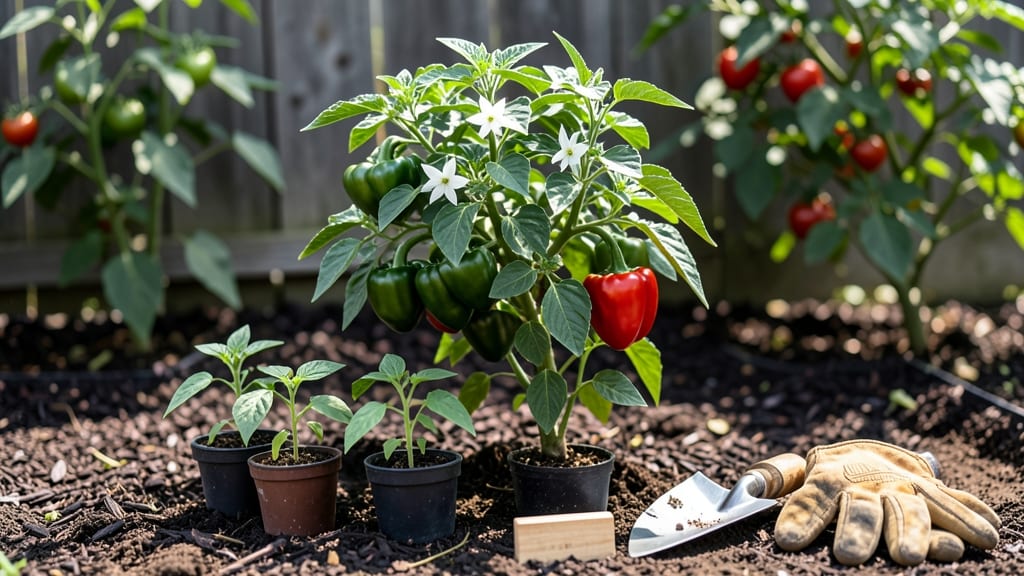
If you're dreaming of a backyard bursting with juicy 🌶️ bell peppers, mastering when to plant bell peppers in Tennessee is the secret weapon for a successful summer harvest.
Planting too early risks frost damage, while waiting too long might mean missing your harvest window entirely—especially in zones 6a-7b where spring can be unpredictable.
You’ve got just 30 days—from mid-April to mid-May—to get those seeds in the ground after the last frost. But here’s the catch: soil temperature matters just as much as the calendar.
Cold soil slows growth, and peppers hate waiting around for warmth. I’ll show you exactly how to check soil readiness and avoid common mistakes that leave gardeners scratching their heads in July.
Whether you’re a first-time planter or a seasoned gardener, this guide cuts through the guesswork. We’ll cover everything from container gardening hacks to extending your season with simple tools, so you can enjoy homegrown peppers from July through October—no matter where you are in the state.
Ready to turn your Tennessee garden into a pepper paradise? Let’s get started with the exact planting schedule that works for your zone.
Best planting months for bell peppers in Tennessee by USDA zone
Tennessee spans USDA Zones 5b through 8a, meaning your planting window varies dramatically from the cooler East Tennessee mountains to the warmer West Tennessee plains. Bell peppers (Capsicum annuum) need warm soil—at least 60°F (15°C)—and frost-free conditions to thrive.
Planting too early risks frost damage, while waiting too long may cut your harvest short.
Most Tennessee gardeners aim for late April to mid-May as the sweet spot, but your exact timing depends on your microclimate. For example, Chattanooga (Zone 7a) can plant earlier than Bristol (Zone 6b), which often waits until after Memorial Day.
Always check your last frost date—Tennessee’s ranges from April 15 in Zone 8a to May 1 in Zone 6b.
🌱 Key Rule: Never plant until soil temperatures consistently stay above 60°F for at least a week. Use a soil thermometer to confirm—cold soil stunts pepper growth. In cooler zones, black plastic mulch can raise soil temps by 5-10°F faster than bare earth.
| USDA Zone | Best Planting Window | Soil Temp Threshold | Frost-Free Date | Harvest Window |
|---|---|---|---|---|
| 5b (East TN mountains) | May 15–June 1 | 65°F+ | May 10–15 | August–September |
| 6a (Middle TN) | April 30–May 15 | 60°F+ | April 20–May 1 | July–October |
| 6b (Nashville) | April 15–May 1 | 60°F+ | April 10–15 | July–October |
| 7a (Memphis) | April 1–April 15 | 60°F+ | March 25–April 5 | June–November |
| 7b (West TN) | March 20–April 10 | 58°F+ | March 15–25 | May–December |
| 8a (Southeast TN) | March 1–March 15 | 55°F+ | February 28–March 10 | April–December |
In Zone 8a, you can even plant early varieties like 'Early California Wonder' as soon as March 1, but wait until April 15 in Zone 5b to avoid frost.
For late-summer harvests, try succession planting in June—just choose shorter-day varieties like 'Carolina Wonder' that mature faster in Tennessee’s heat.
Pro Tip: If you’re in Zone 6b or cooler, start seeds indoors 8–10 weeks before your last frost date. Use grow lights
Best planting months for bell peppers in Tennessee by USDA zone
Tennessee spans USDA zones 5b through 8a, meaning your planting window varies dramatically from the cooler East Tennessee mountains to the warmer West Tennessee plains.
In zone 5b, for example, you’ll need to wait until mid-May to avoid frost, while zone 8a gardeners can start as early as late March—but only with protection. The golden rule? Wait until the soil temperature hits 60°F at a 4-inch depth, because cold soil stunts pepper growth.
Most Tennessee gardeners aim for a mid-April to mid-May planting window, but this shifts 2-3 weeks earlier in southern zones and 2-3 weeks later in northern ones. For example, Nashville (zone 7a) typically plants in late April, while Chattanooga (zone 7b) can start in early April.
Always check your local last frost date—Tennessee’s ranges from March 15 in Memphis to May 1 in the Smoky Mountains.
| USDA Zone | Best Planting Window | Soil Temp Threshold | Last Frost Date | Harvest Window |
|---|---|---|---|---|
| 5b (East TN) | May 15–June 1 | 60°F+ | May 1 | July–September |
| 6a (Middle TN) | April 20–May 10 | 60°F+ | April 15 | July–October |
| 7a (Nashville) | April 1–April 15 | 60°F+ | March 31 | June–October |
| 7b (Chattanooga) | March 20–April 5 | 60°F+ | March 15 | June–October |
| 8a (Memphis) | March 1–March 15 | 55°F+ | February 28 | May–November |
Pro tip: Use a soil thermometer to confirm readiness—peppers won’t germinate well in cold soil. If your zone’s last frost date is still looming, opt for heat-tolerant varieties like ‘Carolina Wonder’ or ‘Jupiter’, which handle Tennessee’s summer heat better than standard types.
These varieties also mature faster, giving you a 10-15 day head start on harvests.
For container gardeners, the window shifts slightly. Since pots warm up 5-10°F faster than in-ground soil, you can plant 1-2 weeks earlier in containers—just move them indoors or under row covers if frost threatens.
This trick works especially well in zone 6a and below, where early nights can still bring chilly temps.
Remember: Bell peppers need 75-90 days to mature, so time your planting to finish before Tennessee’s first frost—typically mid-November. If you’re in zone 7b or warmer, you might squeeze in a fall planting of fast-maturing varieties (like ‘Sweet Banana’) in late July for a late-summer harvest.