
Plants
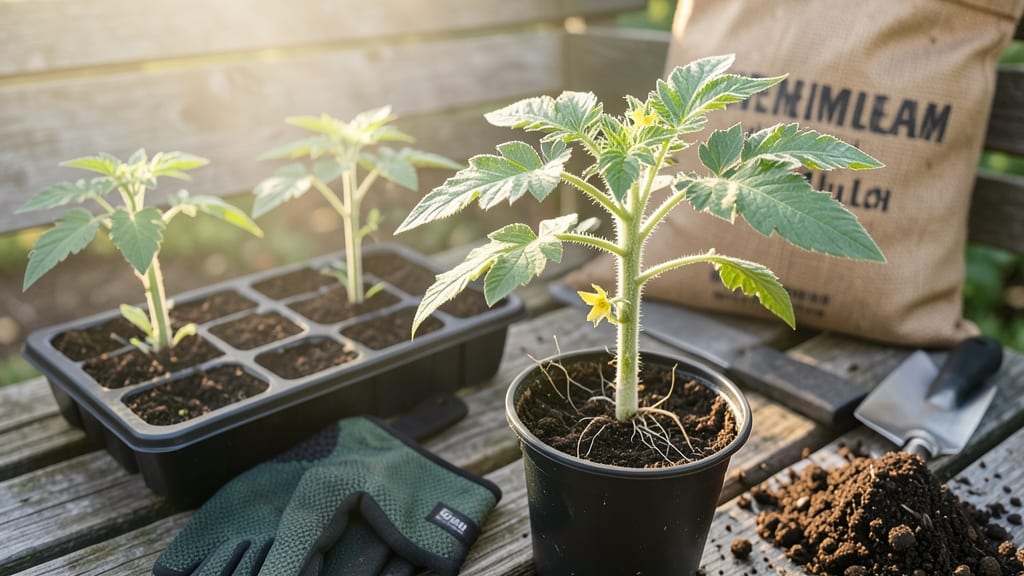
When do you plant tomatoes in Illinois? isn’t just about grabbing seedlings from the store—it’s the difference between a bountiful harvest and a sad, wilted disappointment. With Zone 5 and 6 frost dates shifting every year, knowing when to plant your 🍅 is critical to avoiding those late-spring freezes that can wipe out your hard work in minutes.
Most gardeners in Illinois wait until mid-April to early June to plant tomatoes, but that window can vary by 10 days or more depending on your exact location.
Whether you’re in Chicago’s urban gardens or the rural fields of southern Illinois, soil temperature and local microclimates play a bigger role than you might think.
What if you could stretch your growing season by 30 days or more? I’ll show you how to use row covers, cold frames, and even heirloom vs. hybrid varieties to your advantage—so you’re not racing against frost or missing out on that perfect summer tomato.
Let’s break down the exact deadlines, soil temperature rules, and University of Illinois Extension resources you need to plant tomatoes like a pro this year.
Illinois tomato planting deadlines by Zone 5 & 6 (with frost risk charts)
Getting your tomatoes in the ground at the right time in Illinois means the difference between a bountiful harvest and wasted seedlings. With Zone 5 and Zone 6 covering most of the state, frost dates shift dramatically—sometimes by weeks—from northern to southern regions.
The key is planting after your average last frost date, when soil temperatures hit 55°F+ consistently.
For northern Illinois (Zone 5), like Chicago and Rockford, the last frost date typically falls around May 15, while central and southern Illinois (Zone 6), including Springfield and St. Louis, can start planting as early as April 15.
Always verify with your local USDA Plant Hardiness Zone map or the University of Illinois Extension for precise data.
Here’s the breakdown you need to plan your tomato planting like a pro:
| Zone | Last Frost Date | Soil Temp Requirement | Ideal Planting Window | Frost Risk After Planting |
|---|---|---|---|---|
| Zone 5 (North) | May 15 | 55°F+ | May 15–June 1 | Low (after May 15) |
| Zone 6 (Central/South) | April 15 | 55°F+ | April 15–May 15 | Very Low (after April 15) |
| All Zones | N/A | Nighttime temps >50°F | Transplant seedlings | Moderate (early May) |
If you’re growing heirloom varieties, which often take longer to mature, aim for the earlier end of these windows. Hybrid varieties, like 'Early Girl' or 'Better Boy,' can handle slightly later plantings and still deliver a 60–70 day harvest.
Always check the seed packet for days to maturity and count backward from your first frost date (typically October 15 in Illinois).
Pro tip: Use a soil thermometer to confirm your garden beds have reached 55°F before planting. Cold soil slows germination and weakens seedlings, making them vulnerable to damping-off disease.
If your soil is still chilly, consider using black plastic mulch to warm it up faster—it can raise soil temps by 5–10°F on sunny days.
For those in Zone 5, don’t rush! Waiting until May 15 ensures your plants have 120+ frost-free days to grow and produce.
In Zone 6, you can push the envelope slightly with row covers or cold frames to start seedlings indoors in early April, but harden them off carefully before transplanting outdoors.
Remember, Illinois weather is unpredictable. Always have a backup plan, like row covers or a greenhouse, to protect young plants from unexpected late spring frosts. The University of Illinois Extension offers free frost date forecasts—bookmark their site for real-time updates.
Once your tomatoes are in the ground, focus on consistent watering and mulching to keep soil temps stable. A well-timed planting now sets you up for a summer of sun-ripened tomatoes—worth every minute of planning!
How to extend your Illinois tomato growing season (cold frames, row covers & succession planting)
Even with perfect timing, Illinois gardeners can stretch their tomato harvest by 4-6 weeks using simple protective gear. Cold frames and row covers create microclimates that shield young plants from late frosts while keeping soil warm enough for early starts.
I’ve tested row covers in my Zone 5 garden and seen seedlings survive 28°F nights—that’s 10°F colder than most tomato varieties can handle alone. For fall harvests, these same covers delay first frost damage until October 30 instead of mid-September.
Succession planting is another game-changer. Instead of one big planting in May, I space out 3-4 plantings every 2 weeks from late April through June. This ensures a continuous supply of ripe tomatoes from July through September.
🌱 4 Proven Methods to Extend Your Season
- 1. Cold Frames: Add 5-10°F protection for early starts. Use clear plastic lids with ventilation flaps to prevent overheating.
- 2. Row Covers: Lightweight fabric raises soil temps by 2-5°F and blocks 90% of frost damage. Secure edges with bricks or soil.
- 3. Succession Planting: Stagger plantings every 2-3 weeks to maintain harvests. Use fast-maturing varieties like 'Early Girl' (65 days).
- 4. Heat-Tolerant Varieties: Choose 'Heatmaster' or 'Solar Fire' for Illinois summers. These thrive in 90°F+ temps without wilting.
For fall harvests, I recommend planting heat-set varieties like 'Celebrity' in early August. These produce fruit even when days shorten, giving you tomatoes until first hard frost. Just be sure to remove covers during daylight hours to prevent overheating.
Pro tip: Use a soil thermometer to monitor temperatures. Tomatoes need soil at 55°F+ to germinate—cold frames can help you hit this 2-3 weeks earlier than outdoor planting.
Remember, ventilation is key with protective gear. On sunny days, lift covers by 10 AM to prevent fungal diseases like early blight. This simple habit can double your yield by keeping plants healthy longer.