
Plants
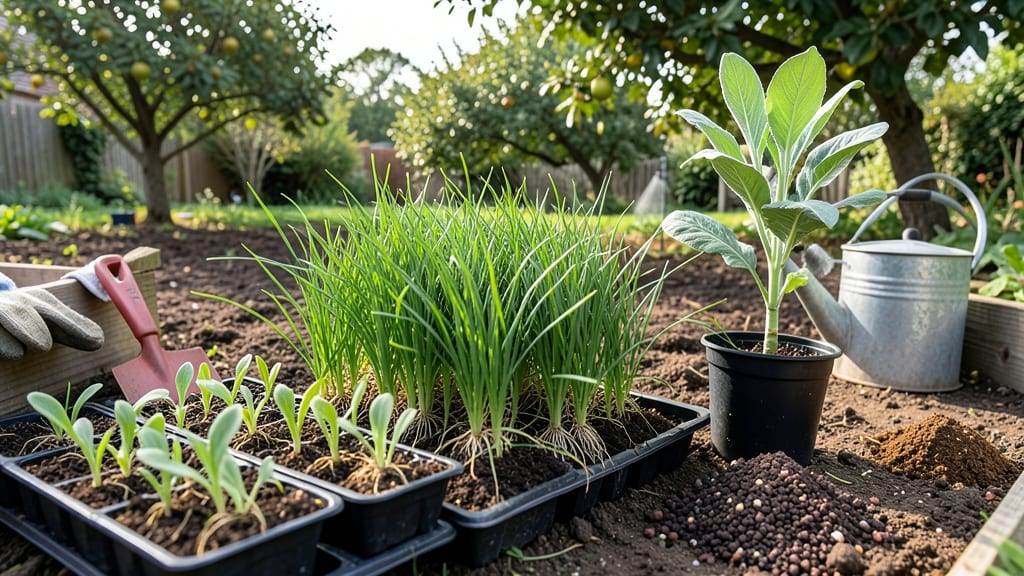
Planting Winter Grass (e.g., Ryegrass, Fescue) in Arizona isn’t just about timing—it’s about survival in the desert’s brutal heat and unpredictable monsoons. Skip the wrong window, and your grass could wither before it even takes root, leaving you with a patchy, high-maintenance lawn.
Unlike northern climates, Arizona’s 9b zone demands precision: plant too early, and summer’s scorching temperatures will dry out seedlings; too late, and frost-sensitive varieties might struggle to establish before winter. The sweet spot? October to November, when soil cools below 80°F and monsoon rains taper off.
But here’s the kicker: not all Arizona regions play by the same rules. Low Desert areas like Phoenix need an earlier start than higher elevations, where cooler nights extend the planting window.
I’ll break down the exact months for your specific area—and the pro tips to keep your 🌱 winter grass thriving year-round.
Ready to transform your yard? Let’s dive into the desert-smart strategies that’ll have your grass lush and resilient, no matter what Arizona throws at it.
Best months to plant winter grass in Arizona (by region)
Arizona’s diverse climate means your planting window for winter grass depends entirely on your region. The Low Desert (Phoenix, Tucson) has a tighter schedule than the High Desert (Flagstaff, Prescott), where cooler temps allow later planting.
Even a 2-week delay can mean the difference between lush grass and seed washout from monsoon rains or summer heat stress.
Cool-season grasses like ryegrass and fescue need soil temperatures below 80°F to germinate properly. In Arizona, this typically happens in late September for the High Desert and early October for the Low Desert. Planting too early risks monsoon flooding, while planting too late risks summer dormancy before roots establish.
🌱 Pro Tip: Use a soil thermometer to confirm temps are stable below 80°F for at least 5 days before planting. This is your green light to start!
| Region | Optimal Planting Months | Soil Temp Range (°F) | Monsoon Impact | Grass Types Suited |
|---|---|---|---|---|
| Low Desert (Phoenix, Tucson) | Early October - Mid-November | 65-75°F | High risk (plant after Sept 15) | Annual Ryegrass, Tall Fescue |
| Transition Zone (Mesa, Sedona) | Late September - Early November | 60-70°F | Moderate risk (plant after Sept 1) | Fine Fescue, Perennial Ryegrass |
| High Desert (Flagstaff, Prescott) | Mid-September - Late October | 55-65°F | Low risk (monsoons taper off) | Kentucky Bluegrass, Hard Fescue |
If you miss the ideal window, don’t panic. September can work for the High Desert, while December might still yield results in the Low Desert—just expect slower germination.
The key is getting seeds in the ground before the first hard frost, which rarely happens in Arizona’s USDA Zone 9b but can occur in higher elevations.
For overseeding existing lawns, aim for late September to give new grass 6-8 weeks to establish before winter slows growth. In the Low Desert, this means planting by October 15 at the latest to avoid summer heat stress the following year.
💧 Watering Warning: Avoid planting during peak monsoon season (July-August). Heavy rains can wash out seeds or cause soil erosion, leaving bare patches. If you must plant during monsoons, use starter fertilizer with hydro-mulch to keep seeds in place.
Once planted, maintain consistent moisture for the first 30 days—this is critical for root development. In Arizona’s dry climate, this often means daily watering in the morning until germination occurs. After that, taper to every other day until the grass reaches 3 inches tall.
🌡️ Temperature Tip: If nighttime temps drop below 50°F before germination, cover seeds with lightweight row fabric for 2-3 nights to protect tender seedlings. This is especially important in the High Desert where frost pockets can form.
Best months to plant winter grass in Arizona (by region)
Arizona’s three distinct desert regions—Low Desert, Transition Zone, and High Desert—each have unique planting windows for winter grass. The key? Soil temperatures below 80°F and avoiding the monsoon’s late-summer downpours. Get this wrong, and your seedlings could bake or drown before establishing.
In the Low Desert (Phoenix, Tucson), aim for mid-September to early October. This beats the summer heat while giving roots time to settle before winter. Higher elevations like Sedona or Flagstaff (Transition Zone) can wait until late October to November, thanks to cooler nights.
Meanwhile, High Desert areas (Prescott, Payson) stretch the window to November, where frost risks are lower.
🌱 Pro Tip: Use a soil thermometer—60–75°F is ideal for germination. If temps spike above 85°F, delay planting until nights cool.
| Region | Optimal Planting Months | Soil Temp Range (°F) | Monsoon Impact | Grass Types Suited |
|---|---|---|---|---|
| Low Desert | Mid-Sept to Early Oct | 60–75°F | High risk (delay if storms persist) | Ryegrass, Annual Ryegrass |
| Transition Zone | Late Oct to Nov | 55–70°F | Moderate (watch for erosion) | Tall Fescue, Fine Fescue |
| High Desert | Nov | 50–65°F | Low (dryer climate) | Creeping Red Fescue |
Planting too early risks seedling stress from summer heat, while too late may leave grass vulnerable to frost in High Desert areas. For example, Bermuda grass can be overseeded in Low Desert by October 15, but cool-season fescue needs the November window in Transition Zones.
✂️ Regional Hack: In Low Desert, use shade cloth if planting early to protect seedlings from 100°F+ days. In High Desert, mulch lightly to retain moisture during cooler nights.
Timing isn’t just about months—it’s about microclimates. Check your local USDA Zone 9b frost dates and adjust accordingly. For instance, Phoenix’s last frost is rare, but Flagstaff’s can hit December 15, so plant earlier there.