
Plants
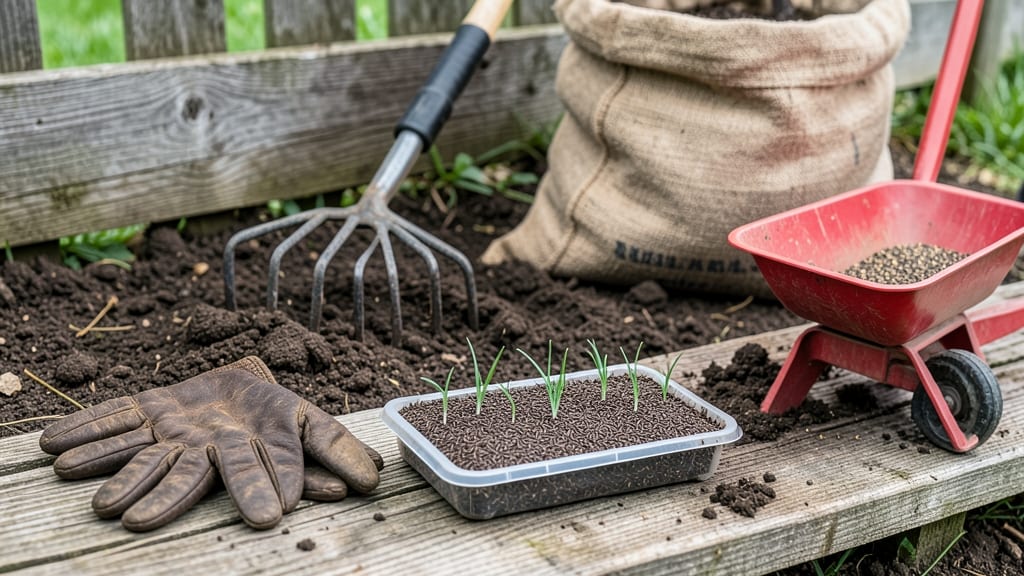
If you're dreaming of a lush, green lawn next spring, the best time to plant grass in the fall is your secret weapon—but get it wrong, and you could waste both time and money.
Cool-season grass like 🌱 Grass (Cool-Season Turf) thrives when planted 4-6 weeks before the first frost, giving roots time to establish before winter dormancy.
For most of us in USDA Zone 6a (like me!), that means aiming for early to mid-fall—typically between late September and early October. Planting too early risks weed competition, while waiting too long leaves your grass vulnerable to frost damage before it can take root.
I’ve learned the hard way that timing isn’t just about the calendar—it’s about soil temperature, local climate, and even your grass type. Whether you’re seeding a new lawn or overseeding an existing one, nailing this window makes all the difference between a patchy mess and a vibrant, resilient yard.
Let’s break down exactly how to time it right for your zone, plus the soil prep and care tips that’ll set your grass up for success. Ready to transform your lawn? Let’s get started.
Fall grass planting timeline by USDA zone: weeks before frost for optimal root growth
Timing your fall grass planting correctly is the difference between a thick, green lawn next spring and a patchy, weed-infested mess. The key is planting 4-6 weeks before your first frost, when soil temperatures hover between 60-75°F—ideal for seed germination and root development.
This window varies dramatically by USDA zone, so let’s break it down by region to help you plant at the perfect moment.
Cooler fall temperatures reduce water evaporation and weed competition, giving your grass seedlings the best chance to establish deep roots before winter dormancy.
In Northern climates (Zones 3-5), this means planting in late August to early September, while Southern climates (Zones 8-10) can extend seeding into November. The goal? Let your grass grow 3-4 inches tall before the ground freezes.
Here’s the critical rule: Never plant less than 6 weeks before frost, or your grass won’t have time to root deeply. And avoid planting more than 8 weeks early, as warm soil can trigger rapid germination, only for seedlings to burn back when cooler weather hits.
Balance is everything.
🌱 Fall Grass Planting by USDA Zone
| Zone | First Frost Date | Ideal Planting Window | Soil Temp Goal (°F) | Grass Types |
|---|---|---|---|---|
| 3-5 (Cold) | Mid-September to October 15 | Late August - Early September | 60-70°F | Tall fescue, Kentucky bluegrass, ryegrass |
| 6-7 (Temperate) | October 15 - November 1 | Mid-September - Early October | 65-75°F | Fine fescue, perennial ryegrass, bentgrass |
| 8-10 (Warm) | November 15 - December 1 | September - Mid-November | 70-80°F | St. Augustine, Bermuda (warm-season), cool-season mixes |
⚠️ Pro Tip: Check your local frost date using the National Weather Service or Almanac—don’t rely on averages!
If you’re in Zones 3-5, aim for late August planting—this gives your grass 6-8 weeks to establish before winter. In Zones 6-7, mid-September is your sweet spot, while Southern gardeners (Zones 8-10) can push seeding into early November.
The later you plant, the more critical it is to choose cold-hardy varieties like tall fescue or perennial ryegrass.
One common mistake? Planting warm-season grasses like Bermuda or Zoysia in fall. These thrive in summer heat and won’t survive winter—save them for spring planting. Instead, focus on cool-season grasses, which dormantize gracefully when temperatures drop.
Examples include Kentucky bluegrass (great for high-traffic areas) and fine fescue (ideal for shady spots).
Soil temperature is your secret weapon for success. Use a soil thermometer ($10 at garden centers) to confirm temps are in the 60-75°F range before seeding. If your soil is too hot (80°F+), wait a week or two—seedlings can scorch in extreme heat.
Conversely, if temps drop below 50°F, germination slows to a crawl.
Let’s say you’re in USDA Zone 6a (like much of the Midwest) with a first frost on October 15. Your ideal planting window is September 1-15.
Planting on September 1 gives your grass 6 weeks to root before winter, while seeding on September 20 might leave only 3 weeks—risking weak roots. Use this 6-week rule as your guide, adjusting for early or late frosts in your area.
Regional variations matter too. In humid Southern climates, fall planting can extend into November because mild winters delay frost. Meanwhile, dry Western states may need to water more frequently to prevent seed desiccation.
Always check your local extension office for hyper-local advice—what works in Texas might fail in Maine.
Remember: Fall planting isn’t just about timing—it’s about setting your lawn up for a head start in spring. When you nail the 4-6 week window before frost, you’ll see 3x faster establishment next season compared to spring planting.
That’s the power of cool-season grass working with nature, not against it. 🌱
How to prepare your soil and seed for fall grass planting success
Fall grass planting thrives when your soil is prepped and your seed variety matches your climate. Cool-season grasses like Kentucky bluegrass and tall fescue germinate best in 60-75°F soil temperatures, which occur naturally in early fall.
Start by testing your soil’s pH level—aim for 6.0-7.0—since acidic or alkaline soil can stunt growth.
Use a soil test kit (available at garden centers) to check pH and nutrient levels. If your soil is too acidic, mix in lime 4-6 weeks before planting.
For compacted soil, aerate with a core aerator to create 1/2-inch holes every 3-4 inches. This helps roots penetrate deeply before winter dormancy.
✅ Step-by-Step Soil Prep for Fall Grass Planting
- 🔹 Test soil pH (aim for 6.0-7.0) using a kit or lab test.
- 🔹 Aerate compacted soil with a core aerator (rent or buy).
- 🔹 Remove debris (rocks, weeds, old grass) with a rake.
- 🔹 Add compost (2-3 inches) or aged manure for nutrients.
- 🔹 Level the soil with a lawn roller or rake for even seed distribution.
- 🔹 Choose the right seed: Cool-season (bluegrass, fescue) for Zones 3-7; warm-season (Bermuda, Zoysia) for Zones 8-10.
Selecting the right grass seed blend is just as critical as soil prep. Cool-season grasses (like fine fescue) dominate the market for fall planting, but warm-season grasses (like Bermuda grass) should only be planted in USDA Zones 8-10.
Mixing seed varieties (e.g., 60% tall fescue + 40% bluegrass) improves disease resistance and color uniformity.
After prepping soil, spread seed using a broadcast spreader for even coverage. Lightly rake the area to press seeds into soil (no deeper than 1/4 inch) and keep the surface moist with daily watering for the first 2 weeks.
Mulch with straw (not hay) to retain moisture and protect seedlings from bird damage.
Post-planting, monitor soil moisture closely—overwatering can cause seed rot, while underwatering leads to weak germination. Use a sprinkler with gentle mist settings and water in the early morning to reduce evaporation. Avoid walking on the lawn until seedlings reach 2-3 inches tall to prevent soil compaction.
Fertilize lightly 4-6 weeks after planting with a low-nitrogen starter fertilizer (e.g., 10-0-10). This encourages root growth without promoting top-heavy shoots that struggle in winter. By late fall, reduce watering to once weekly and stop fertilizing entirely 6 weeks before frost to harden off roots.
With proper soil prep and seed selection, your fall-planted grass will establish deep roots before winter, giving you a thicker, greener lawn next spring. The key is patience—cool-season grasses take 14-21 days to germinate, so resist the urge to overseed too early or too late in the season.