
Plants
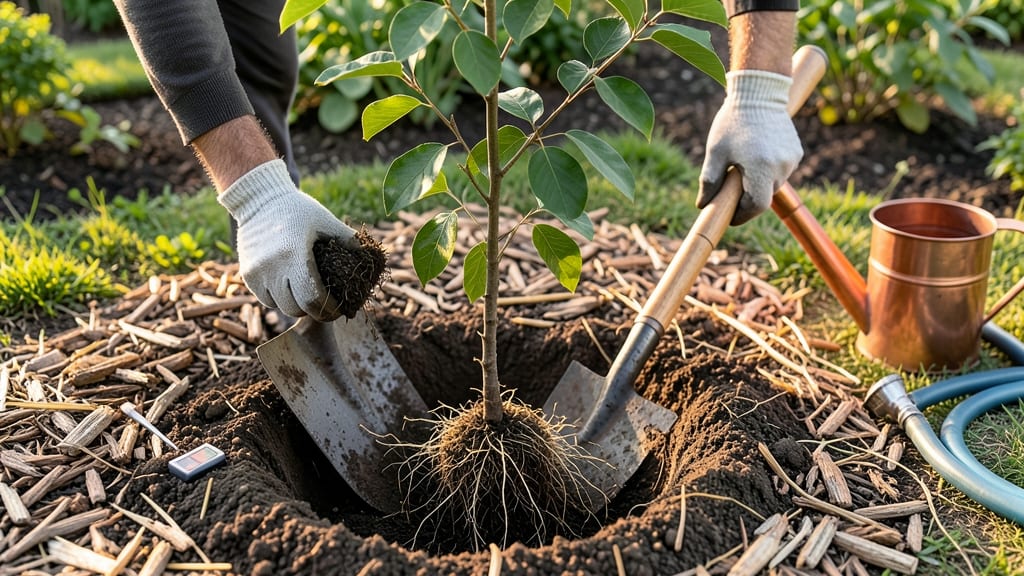
Timing your Dogwood Tree 🌳 planting in fall isn't just about avoiding frost—it's about giving your tree the best shot at thriving for years to come. The difference between a weak transplant and a strong, established specimen often comes down to those 4-6 weeks before the first frost hits.
If you're in Zone 6a or similar climates, October through early November is your sweet spot for planting. Cooler temperatures mean less stress on the tree, while the soil stays warm enough for roots to settle in before winter dormancy kicks in.
But here's the catch: not all dogwoods are created equal. Some varieties need more chill hours to bloom beautifully, while others adapt faster. I'll show you how to match your local climate to the perfect planting window—plus soil prep tips and watering tricks that make all the difference.
Ready to plant a dogwood that grows strong and blooms like crazy? Let's dive into the exact timing and care your tree needs to succeed this fall.
Fall planting windows by hardiness zone: exact weeks to plant dogwood trees
Fall is the best time to plant a dogwood tree because cooler temperatures and reduced competition for water give roots time to establish before winter dormancy. However, the exact planting window depends on your USDA hardiness zone and local chill hours.
Planting too early or too late can stress your tree, so let’s break down the ideal timing for each zone to maximize success.
Dogwoods thrive when planted 4-6 weeks before the first hard frost of the season. This ensures roots have time to grow but avoids late-season stress from freezing soil. For most regions, this means late September through early November, but adjustments are needed for colder or warmer climates.
Let’s explore the zone-specific details to help you pinpoint the perfect week for your location.
Soil temperature is another critical factor—dogwood roots prefer soil between 40°F and 60°F (4°C–15°C) for optimal root growth. If you’re in a warmer zone (7-10), aim for early fall (September–early October) to avoid winter rains. In colder zones (3-6), wait until late September or October to ensure the ground doesn’t freeze prematurely.
Microclimates can shift your planting window by 2-4 weeks. For example, if you live in a valley or near a large body of water, temperatures may stay warmer longer, allowing you to plant later.
Conversely, higher elevations or inland areas may require earlier planting to avoid frost. Always check your local NOAA climate data or consult a local nursery for precise adjustments.
In Zone 5 or colder, avoid planting after mid-October because roots may not harden off before winter. Instead, opt for bare-root dogwoods, which establish faster than container-grown trees in cold climates.
In Zones 7-10, you can push planting into November, but stop if rain or frost is forecasted within 2 weeks.
One common mistake is planting dogwoods in early fall (August) when soil is still warm. This can cause roots to grow too quickly before dormancy, leading to weak winter survival. Always prioritize root establishment over shoot growth during fall planting.
If your dogwood arrives in a container, remove it from the pot and check for root-bound roots—trim circling roots before planting to encourage outward growth.
After planting, focus on watering deeply (1–2 inches per week) for the first 60 days to help roots penetrate the soil. In drought-prone areas, extend watering to 90 days or until the ground freezes.
Mulch with 3–4 inches of organic mulch (like wood chips) to insulate roots and retain moisture. Avoid piling mulch against the trunk to prevent rot or pest attraction.
By matching your dogwood variety to your chill hours and planting within the zone-specific window, you’ll set your tree up for decades of vibrant blooms and lush foliage.
Next, we’ll dive into how to select the right dogwood cultivar based on your local climate and chill-hour requirements to ensure your tree thrives from day one. 🌳
Fall planting windows by hardiness zone: exact weeks to plant dogwood trees
Dogwood trees thrive when planted in fall, but the exact timing depends on your USDA hardiness zone and chill hours. Cooler temperatures and reduced competition for water give young roots a head start before winter dormancy.
Aim to plant 4-6 weeks before your first frost date—this window ensures roots establish before the ground freezes.
In warmer zones (7-10), plant between late September and mid-October to avoid winter rains that can drown roots. In cooler zones (3-6), extend planting until early November, as soil stays workable longer. Always check your local first frost date and adjust accordingly.
Soil temperatures also matter: dogwood roots prefer 50-60°F for optimal growth. Use a soil thermometer to confirm conditions are ideal before planting. In Zone 5 or colder, wait until soil temps drop below 60°F to prevent root shock from warm soil.
| Zone | Chill Hours | Ideal Planting Window | Soil Temp Goal | Notes |
|---|---|---|---|---|
| 3-4 | 900+ | Late Sept - Early Nov | 50-60°F | Plant after first frost |
| 5-6 | 700-900 | Mid-Sept - Mid-Oct | 50-60°F | Avoid late planting |
| 7-8 | 300-500 | Late Sept - Early Oct | 55-65°F | Soil stays warm longer |
| 9-10 | 100-300 | Late Aug - Sept | 60-70°F | Plant early to avoid heat |
Microclimates play a role too. Urban areas with heat islands may need earlier planting, while rural spots with cooler nights can extend the window. Test soil moisture weekly—dry soil speeds up root growth, while soggy conditions invite rot. Always plant on a cloudy day to reduce transplant shock.
For southern regions, prioritize planting before September 15th to avoid hurricane season disruptions. In the north, wait until after Labor Day to let soil cool. Use a moisture meter to confirm soil readiness—ideal moisture is like a wrung-out sponge.
Pro tip: Mark your calendar 6 weeks before frost to ensure you’re ready. Dogwoods planted in this window often bloom 2-3 years earlier than spring-planted trees, thanks to their established root systems heading into winter.