
Planting
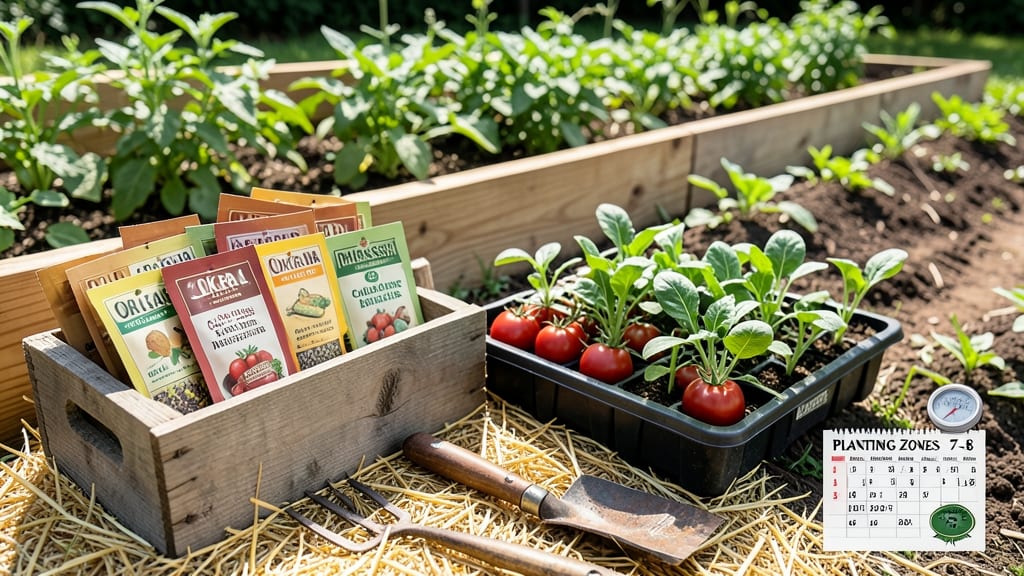
Timing your vegetable garden in Mississippi isn't just about the calendar—it's about beating the heat before it beats your plants. The state's brutal summer sun can turn a promising garden into a sad, wilted memory if you miss those narrow windows for planting 🌱.
I've seen firsthand how a few weeks can mean the difference between a thriving harvest and lost seedlings. Whether you're in the Delta's humidity or the Gulf Coast's coastal breeze, knowing when to plant is the key to fast germination and a bountiful yield before the heat sets in.
Let me show you exactly when to start your cool-season crops like broccoli and kale, and how to time those heat-loving tomatoes and peppers for Mississippi's unique climate. We'll cover region-specific deadlines that actually work, not just generic advice that leaves you guessing.
With these heat-zone strategies, you'll learn how to extend your growing season, avoid common pitfalls, and get your vegetables to the table before the summer heat takes over. Let's make this your most successful garden season yet.
Mississippi planting zones by vegetable type: exact dates for fast germination
Mississippi’s USDA Zones 7-8 create a unique challenge for gardeners—cool-season crops bolt in the heat, while warm-season plants wilt if planted too late. The key is aligning your planting schedule with soil temperatures and heat tolerance of each vegetable.
For example, lettuce needs soil at 45°F to germinate, while okra thrives in 80°F+ soil. Let’s break down the exact windows for your garden’s success.
Most Mississippi gardeners focus on two main planting seasons: early spring (March-April) and late summer (July-August). However, the Gulf Coast (Zone 8) can squeeze in a third window—fall planting (September-October)—while the Delta region (Zone 7) must work faster due to shorter frost-free periods.
The Mississippi State Extension Service recommends using row covers to extend these windows by 2-3 weeks in both directions.
Here’s the critical rule: Plant cool-season crops 4-6 weeks before your average last frost date (typically March 15 in the north, February 15 along the coast). For warm-season crops, wait until soil temperatures hit 60°F+ (usually mid-April for northern MS, early March for the coast).
Using a soil thermometer is your best tool for precision—seed packets often underestimate heat requirements.
| Vegetable | Planting Window | Soil Temp Requirement | Germination Speed | Mississippi Notes |
|---|---|---|---|---|
| Broccoli | Feb 15 - Mar 31 | 45-55°F | 7-14 days | Bolts quickly in heat; use shade cloth in summer |
| Tomatoes | Apr 15 - May 15 | 60-70°F | 5-10 days | Prone to fungal diseases in humidity; space plants 2-3 ft apart |
| Okra | May 1 - Jun 15 | 80-90°F | 3-7 days | Drought-tolerant; direct sow after last frost |
| Lettuce | Aug 15 - Sep 30 | 40-50°F | 5-10 days | Heat-tolerant varieties like 'Black Seeded Simpson' work best |
| Sweet Potatoes | Apr 15 - May 31 | 65-75°F | 10-14 days | Long growing season; harvest before first frost |
One of the biggest mistakes Mississippi gardeners make is planting warm-season crops too early. For instance, peppers and eggplants often rot in cold soil, while cucumbers and squash can develop powdery mildew if planted before May 1.
The solution? Use black plastic mulch to warm soil faster—this can shave 2-3 weeks off your planting timeline. For cool-season crops, staggered planting every 2 weeks ensures a continuous harvest before bolting.
Don’t overlook fall planting, which is especially productive in Mississippi’s Zone 8 areas. Crops like spinach, kale, and radishes can be sown as late as September 15 for harvest before the first frost (typically November 15).
To extend this window, use low tunnels or cold frames—these can push harvests into December in protected beds. Just remember: avoid planting frost-sensitive crops like tomatoes or peppers after
How to adjust planting times for Mississippi’s microclimates and heat waves
Mississippi’s climate isn’t one-size-fits-all—northern areas like Tupelo (Zone 7b) can handle earlier spring plantings than southern spots like Biloxi (Zone 8a), where heat arrives weeks sooner. Even within the same region, urban heat islands (like Jackson) can push soil temperatures 5-10°F hotter than rural fields, altering germination times.
Adjust your schedule by 1-2 weeks based on your microclimate to avoid seedling stress or wasted effort.
For Delta regions, where humidity and heat combine early, prioritize shade cloth or row covers to delay spring planting by 2-3 weeks. In contrast, coastal areas (e.g., Gulf Coast) may need to shift fall crops later to escape hurricane risks.
Always check the Mississippi State Extension’s frost-free date maps—they’re your best guide for local tweaks.
🌡️ Urban vs. Rural Mississippi Planting Adjustments
Pros & Cons- Pro: Soil warms faster in paved areas → earlier spring plantings
- Pro: More shade options (buildings, trees) for heat-sensitive crops
- Con: Higher humidity → fungal risks (e.g., powdery mildew)
- Con: Limited space → succession planting required
- Pro: Longer frost-free seasons → extended fall harvests
- Pro: More sunlight → faster growth for heat-lovers (okra, sweet potatoes)
- Con: Soil crusting in heavy rains → seedlings struggle to emerge
- Con: Pest pressure (squash bugs, deer) is higher
Heat waves are Mississippi’s biggest wildcard—soil can spike to 100°F+ by early June, cooking seeds before they sprout. For warm-season crops (tomatoes, peppers), pre-sprout seedlings indoors 4-6 weeks before your target outdoor date, then harden them off gradually.
Alternatively, direct-sow in late May with drip irrigation to keep soil moist during critical germination (most veggies need consistent moisture for the first 2 weeks).
Succession planting is your secret weapon for Mississippi’s short windows. Instead of one big spring planting, stagger seeds every 2 weeks for lettuce, radishes, or bush beans. This ensures a continuous harvest and reduces losses from heat stress. For example, plant one row of collard greens in March (for spring harvest) and another in August (for fall/winter). The Mississippi Extension’s planting calendar breaks this down by crop—bookmark it!
Don’t overlook raised beds—they warm up 2-3 weeks earlier in spring and stay cooler in summer, giving you 2 extra weeks of planting flexibility.
Fill them with 50% compost to improve drainage (critical in Mississippi’s clay-heavy soils), and use black plastic mulch to speed up soil warming in early spring. This is especially helpful for cool-season crops like broccoli or cabbage, which bolt quickly in our heat.
Finally, monitor your local weather like a hawk. Sign up for NOAA alerts and use a soil thermometer—most veggie seeds need soil temps between 60-85°F to germinate. If a heat wave hits, move shade cloth over seedlings and water deeply at dawn to protect them.
With these adjustments, you’ll beat the heat and grow a bountiful garden year-round.