
Planting
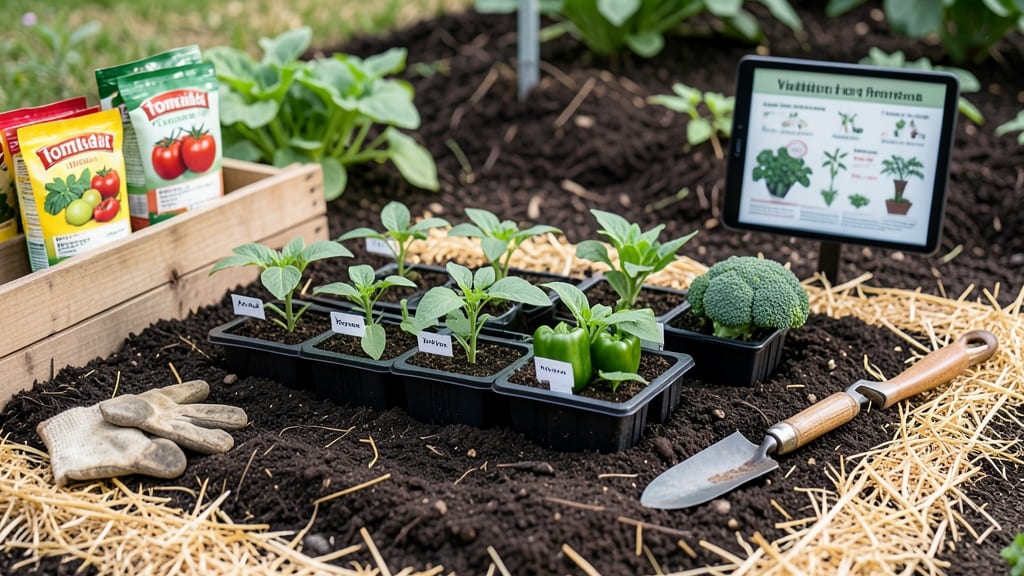
Timing when to plant a vegetable garden in Virginia isn’t just about throwing seeds in the dirt—it’s the difference between a bumper crop and a sad, wilted disappointment.
With Zone 6a-8a’s unpredictable shifts from chilly springs to scorching summers, planting too early or late can leave your greens frozen or your tomatoes wilting before they ripen.
I’ve spent years watching my own garden thrive (and occasionally fail) in Virginia’s microclimates, and the key is understanding when to start. Whether you’re in the cooler Shenandoah Valley or the warmer Tidewater region, knowing the last frost dates and soil temperatures is your secret weapon for success.
This guide breaks down exactly when to plant everything from frost-hardy spinach to heat-loving peppers—plus how to adjust for Virginia’s quirks like late spring frosts or urban heat islands. Let’s get your garden growing on the right schedule.
You’ll learn the perfect planting windows for your favorite crops, plus pro tips to avoid common mistakes that even experienced gardeners make. Ready to turn your Virginia soil into a productive paradise?
Virginia Zone 7A-7B planting calendar by crop type
Virginia’s Zone 7A-7B climate offers two distinct planting seasons: cool-season crops thrive in early spring and fall, while warm-season vegetables demand summer’s heat. The average last frost date is mid-April (Northern VA) to early April (Southern VA), with first frosts arriving mid-October in most regions.
Understanding these windows ensures your tomatoes, peppers, and greens grow strong and productive.
For cool-season crops like spinach, peas, and kale, start seeds 4-6 weeks before the last frost—typically in March.
These hardy plants tolerate light frosts and even 30°F temperatures, making them ideal for Virginia’s unpredictable early springs. Warm-season crops, including tomatoes, peppers, and cucumbers, need soil temperatures above 60°F, so wait until 2-3 weeks after the last frost (usually mid-May) to plant.
Here’s a quick reference for Virginia’s planting timeline, adjusted for Northern vs. Southern regions:
| Crop Type | Planting Window (Northern VA) | Planting Window (Southern VA) | Notes |
|---|---|---|---|
| Cool-Season Crops (Lettuce, Spinach, Peas) | March–April (4-6 weeks before last frost) | February–March (earlier due to warmer microclimates) | Succession plant every 2 weeks for continuous harvest. |
| Warm-Season Crops (Tomatoes, Peppers, Cucumbers) | Mid-May–June (after last frost) | Early April–May (soil warms faster in Southern VA) | Use row covers for early starts in Northern VA. |
| Year-Round Crops (Kale, Swiss Chard, Herbs) | March, August–September (avoid summer heat stress) | February, September–October (longer growing season) | Mulch to retain moisture and extend fall harvests. |
| Fall Plantings (Broccoli, Carrots, Radishes) | July–August (60–75 days before first frost) | June–July (longer frost-free season) | Use cold frames for early fall starts. |
In Northern Virginia (e.g., Roanoke, Shenandoah Valley), cooler microclimates delay soil warming, so prioritize transplanting seedlings over direct sowing for warm-season crops. For example, tomato seedlings should be ready by late May to avoid late spring frosts that can damage tender leaves.
In Southern Virginia (e.g., Richmond, Norfolk), warmer soils allow earlier planting—peppers can go in by early April if nighttime temps stay above 50°F.
For succession planting, focus on greens like lettuce and radishes, which mature quickly (30–50 days).
Sow new seeds every 2 weeks from March through September to ensure a steady harvest. Slow-growing crops like cabbage or broccoli (60–90 days to maturity) need fewer plantings but benefit from early starts in March for fall harvests.
Use soil thermometers to verify readiness—warm-season crops need soil temps of 60°F+, while cool-season crops thrive in 40–50°F soils. In urban areas, pavement and buildings create heat islands, warming soil faster than rural zones.
Adjust planting dates 1–2 weeks earlier in cities like Arlington or Alexandria compared to nearby countryside.
Pro tip: Extend your season with row covers or cold frames to protect early plantings. For example, spinach can survive light frosts, but a floating row cover adds 5–10°F protection, letting you plant 2 weeks earlier in spring or 2 weeks later in fall.
This trick is especially useful in higher-elevation areas like Blacksburg, where frosts linger longer.
Don’t overlook herbs like basil and cilantro, which have specific needs. Basil hates cold and bolts in 70°F+ heat, so plant it after Memorial Day and harvest leaves before flowering. Cilantro
How to adjust planting times for Virginia’s microclimates
Virginia’s diverse geography—from the coastal plains to the Blue Ridge Mountains—means planting times can vary by hundreds of miles. A Richmond gardener might plant tomatoes in early May, while a Roanoke grower waits until late May to avoid late spring frosts.
Understanding these microclimates helps you fine-tune your schedule for success.
Elevation plays a huge role: higher areas like the Shenandoah Valley often experience 1-2 weeks later last frost dates than coastal regions. Urban heat islands in cities like Alexandria can warm soil faster, allowing earlier plantings of heat-loving crops like okra or sweet potatoes.
Always check local frost data from the Virginia Cooperative Extension for your specific county.
🌱Soil temperature is your best friend for adjusting timing. Use a soil thermometer to confirm when soil reaches 60°F (15°C)—the minimum for warm-season crops like peppers. In cooler mountain areas, this might mean waiting until June 1, while lowland areas could be ready by May 15.
For cool-season crops, aim to plant when soil temps drop below 75°F (24°C) to prevent bolting.
Watch for Late Spring Frosts
The Shenandoah Valley and Blue Ridge Mountains often see late frosts in April or early May. Protect tender seedlings with frost cloth or delay planting until after May 15. Watermelons and cantaloupes are especially vulnerable—wait until soil is consistently 75°F (24°C) before sowing seeds.
Urban gardeners face unique challenges too. Concrete and pavement absorb heat, creating microclimates where tomatoes might ripen 2 weeks earlier than rural areas.
Monitor your specific spot: if your soil warms to 65°F (18°C) by April 20, you can plant heat-loving crops like eggplants or squash sooner than the general calendar suggests.
For high-risk crops like watermelons or corn, consider using black plastic mulch to warm soil faster. This can shave 10-14 days off your planting window in cooler regions. Just
🌿Pro tip: Keep a planting journal for 2-3 years to track your local microclimate’s quirks. Note when your last frost occurs, how quickly soil warms in spring, and which crops thrive (or struggle) in your specific spot. This personalized data will become your most valuable tool for perfecting planting times year after year.