
Planting
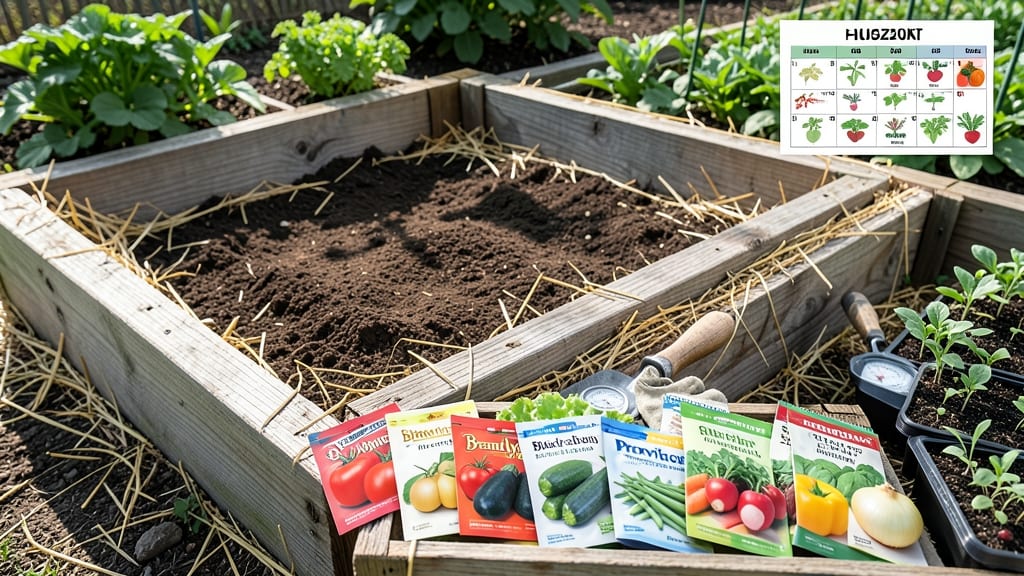
Timing when to plant a vegetable garden in Missouri isn’t just about throwing seeds in the dirt—it’s about beating frost, avoiding wasted effort, and maximizing your harvest.
With USDA zones 5b-6b, you’ve got a short window between mid-March and mid-June for spring planting, and another chance from mid-July to early September for fall crops.
Missouri’s frost dates can be tricky—last frost typically hits around mid-April, but that’s just an average. Planting too early risks losing your hard work to a late freeze, while waiting too long means missing out on a full season of fresh tomatoes, lettuce, or beans.
The key is knowing exactly when to start cool-season crops like spinach (4-6 weeks before last frost) and warm-season staples like peppers (2-3 weeks after). I’ve spent years testing these windows, and the results speak for themselves: a well-timed garden means bigger yields, healthier plants, and fewer headaches.
Whether you’re a first-time gardener or a seasoned pro, this guide will help you align your planting schedule with Missouri’s climate—so you can enjoy homegrown veggies from May through September.
Ready to skip the guesswork? Let’s break down the perfect planting calendar for your zone, plus tips to stretch your growing season even further. Your 🌱 vegetable garden will thank you!
Missouri planting zones & frost dates: your 2024 calendar
Missouri spans USDA Hardiness Zones 5a-7a, meaning frost dates vary dramatically from northern to southern regions. In northern Missouri (Zone 5b), the last spring frost typically hits between April 15-30, while southern Missouri (Zone 6b-7a) can see frost-free conditions as early as March 20.
First fall frosts arrive October 10-November 10, with northern areas freezing earlier.
These frost dates dictate planting windows for your vegetable garden. Cool-season crops like lettuce and peas thrive when planted 4-6 weeks before last frost, while warm-season crops such as tomatoes and peppers need soil temperatures above 60°F—usually 2-3 weeks after last frost.
Let’s break down the exact planting zones and frost averages for Missouri.
| Zone | Last Frost Date | First Frost Date | Planting Window | Notes |
|---|---|---|---|---|
| 5a (Northwest MO) | April 20-May 5 | October 15-November 1 | Mid-April to mid-June | Shortest growing season; use row covers. |
| 5b (Central MO) | April 10-April 25 | October 5-October 20 | Late March to late May | Ideal for cool-season crops; tomatoes thrive. |
| 6a (Southwest MO) | March 25-April 10 | October 20-November 5 | Early April to early June | Longer season; double-crop possibilities. |
| 6b-7a (Southeast MO) | March 15-April 5 | November 1-November 15 | Late March to mid-June | Warmest zone; extend season with fall planting. |
Missouri’s microclimates can shift frost dates by 1-2 weeks. For example, urban areas like St. Louis often warm up faster than rural farmland. Use a local weather station or MU Extension’s frost maps to fine-tune your planting schedule.
If you’re in Zone 5a, consider starting cool-season crops indoors in February for an earlier harvest.
For warm-season crops, wait until soil temperatures exceed 60°F—test with a soil thermometer or watch for dandelions blooming, a natural indicator. In northern Missouri, this may not happen until late May, while southern regions can plant tomatoes as early as mid-April.
Missouri’s fall planting window is just as critical. Cool-season crops like kale and spinach can be sown as late as early September in Zone 6b-7a, while Zone 5a gardeners should aim for mid-August to avoid early frosts. Use frost cloth to extend harvests by 2-3 weeks in fall.
Pro tip: Bookmark the Missouri Botanical Garden’s frost calendar or sign up for local CoCoRaHS weather alerts to get real-time updates. These tools help you adjust planting dates when unpredictable weather throws off your schedule.
Understanding your frost dates isn’t just about timing—it’s about maximizing your garden’s potential. By aligning planting with Missouri’s zone-specific windows, you’ll avoid frost damage and wasted seeds, ensuring a bountiful harvest from spring to fall.
Ready to dive deeper? Check out MU Extension’s planting guide for county-specific advice tailored to your exact location. Happy gardening! 🌱
Best vegetables to plant by month in Missouri (Zone-specific guide)
Missouri’s variable climate means timing is everything for a successful vegetable garden. Cool-season crops like lettuce and peas thrive in early spring and fall, while warm-season favorites like tomatoes and peppers need warmer soil. Here’s your month-by-month planting guide for USDA Zones 5b-6b, tailored to Missouri’s frost dates.
Start with cool-season veggies in March and April, then transition to warm-season plants after the last frost—typically mid-April to early May. Fall planting begins in July and August for a second harvest before frost. Succession planting (sowing seeds every 2-3 weeks) maximizes your yield!
🌱 March: Direct-sow peas, spinach, and radishes (hardy to 20°F). Start onions and leeks indoors for transplanting later. Avoid planting warm-season crops until soil warms.
🌿 April: Add lettuce, kale, and carrots to your garden. Transplant broccoli and cabbage seedlings. For warm-season crops, wait until soil reaches 60°F+ (test with a soil thermometer) before planting tomatoes, peppers, and cucumbers.
☀️ May: Plant beans, corn, and squash after the last frost. Succession-sow bush beans and zucchini every 2 weeks for continuous harvests. Mulch to retain moisture and regulate soil temperature.
🌻 June: Focus on heat-loving crops like okra, sweet potatoes, and eggplant. If your summer is scorching, provide afternoon shade for delicate greens like basil and Swiss chard. Start a fall garden by sowing beets and turnips in late June for harvest before frost.
🍅 July-August: Plant cool-season crops again for a fall harvest: spinach, arugula, and Brussels sprouts. Transplant broccoli and cauliflower seedlings. Use row covers to protect young plants from late summer pests.
🌾 September: Extend your season with garlic and onions (plant by October 1 for next year’s harvest). Harvest tomatoes, peppers, and eggplants before the first frost. Save seeds from your best performers for next year!
- 🌱 March: Peas, spinach, radishes, onions (indoors)
- 🌿 April: Lettuce, kale, carrots, broccoli (transplant), tomatoes/peppers (after frost)
- ☀️ May: Beans, corn, squash, succession-sow zucchini
- 🌻 June: Okra, sweet potatoes, eggplant, late June: beets/turnips (fall crop)
- 🍅 July-August: Spinach, arugula, Brussels sprouts, broccoli/cauliflower (transplant)
- 🌾 September: Garlic, onions, harvest warm-season crops
Pro tip: Use MU Extension’s Planting Calendar for hyper-localized advice, especially if you’re in northern Missouri (Zone 5b) or southern Missouri (Zone 6b). Adjust for microclimates—south-facing beds warm up faster than shaded areas.
Missouri’s short growing season rewards planners who start early and end late. With this schedule, you’ll enjoy fresh homegrown veggies from spring to fall—no grocery store required!