
Plants
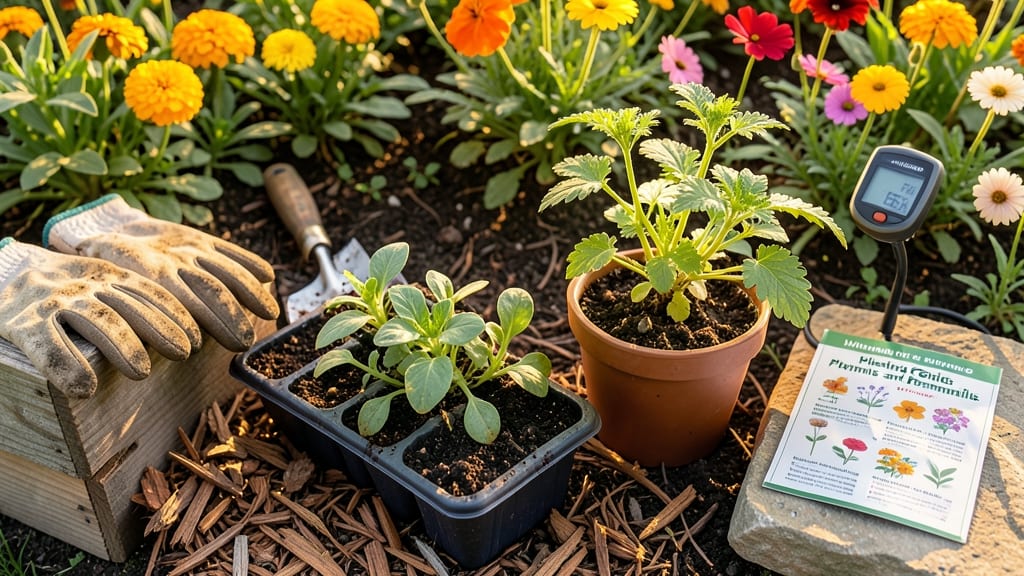
Timing your annuals planting in Michigan can feel like a high-stakes game—get it wrong, and you might end up with wilted seedlings or missed blooms.
But with Michigan’s Zone 5-6 climate, there’s a sweet spot where your garden thrives, and I’ve got the exact start dates to help you nail it.
Whether you’re dreaming of vibrant marigolds or lush petunias, knowing when to plant is half the battle. The key? Starting seeds indoors 6-8 weeks before the last frost—typically by early March for most of the state.
But don’t worry if you’re new to gardening; I’ll break down the best times for both cool-season and heat-loving flowers.
Michigan’s unpredictable weather can throw off even the most experienced gardeners, but with the right strategies, you’ll avoid common mistakes like planting too early or too late. From adjusting for microclimates to protecting tender seedlings, I’ll share the proven tips that keep your garden blooming all season long.
Ready to transform your yard into a colorful oasis? Let’s dive into the perfect planting schedule for your Michigan garden—no guesswork, just stunning results.
Michigan annual planting timeline by month: Zone 5-6 start dates
Michigan’s Zone 5-6 climate means your annual planting window is shorter than in warmer regions—but with the right timing, you can enjoy bold blooms from spring to frost.
The key is understanding your last average frost date (typically May 10-20 in the Lower Peninsula and May 25-June 5 in the Upper Peninsula) and adjusting for soil temperatures and microclimates.
For most of Michigan, March through May is your prime window for starting seeds indoors or direct-sowing cool-season annuals. Heat-loving varieties like marigolds and zinnias should wait until after the last frost, often late May to early June, when soil temps hit 60°F+.
Let’s break it down month by month to avoid common pitfalls like frost damage or stunted growth.
🌱
In the Upper Peninsula, where springs are cooler, delay planting by 1-2 weeks compared to the Lower Peninsula. For example, marigolds might not go in until late May in Marquette, while they’re safe by mid-May in Detroit. Always check your local USDA Plant Hardiness Zone map for precise adjustments.
Pro tip: Use biodegradable pots for seedlings to avoid transplant shock. If you’re in a microclimate (like a south-facing wall), you can plant 2-3 weeks earlier than the general timeline. Just monitor your plants closely for early frost warnings from your local extension office.
🌿
For container gardening, follow the same timeline but be extra vigilant about watering consistency. Pots dry out faster and can’t regulate temperature like in-ground soil.
If you’re using row covers or cold frames, you can push your planting window 10-14 days earlier for cool-season annuals like pansies or snapdragons.
Remember, soil temperature matters more than air temperature. Use a soil thermometer to confirm it’s 50°F+ for cool-season plants and 60°F+ for warm-season varieties before planting. This small step can mean the difference between thriving blooms and wilting seedlings.
☀️
How to adjust planting times for Michigan’s unpredictable weather
Michigan’s last frost dates can swing wildly—some years, you’re planting by mid-April, while others, a late frost hits in early June. To beat this unpredictability, I’ve learned to use flexible planting windows and protective strategies.
Start by checking the USDA Zone 5-6 frost map for your specific area, then add a 2-week buffer before your average last frost date.
For example, if your last frost is typically May 15, begin planting heat-loving annuals like zinnias and marigolds around May 1—but only after soil temperatures hit 60°F+. Use a soil thermometer to avoid cold soil shock.
Cool-season flowers like pansies, on the other hand, can handle cooler temps and can go in as early as March 15 in most of Michigan.
🚨 WARNING: Planting too early is a common mistake—tender seedlings can’t survive even light frosts. If nighttime temps dip below 40°F, cover young plants with floating row covers or lightweight blankets.
I’ve lost entire batches of petunias this way, but now I always keep row covers on hand for emergencies.
🌱 Michigan Planting Pitfalls
- Ignoring soil warmth: Planting too early in cold soil stunts growth.
- Skipping frost dates: Even Zone 5-6 can have late frosts.
- Overcrowding seedlings: Leads to leggy, weak plants.
💡 Pro Tip: Use biodegradable pots for transplants—they reduce shock when moving to the garden.
To extend your growing season, consider early starts indoors. Begin cool-season annuals like snapdragons indoors in February, then transplant outdoors after the last frost. For heat-lovers, wait until mid-May to sow directly into the ground—this gives them time to establish roots before summer heat arrives.
If you’re in the Upper Peninsula (Zone 4), shift all planting dates 2-3 weeks later than the Lower Peninsula. I’ve gardened in both regions, and the difference in timing is critical.
For example, zinnias in Traverse City might go in by May 10, while in Marquette, wait until May 25.
Finally, keep an eye on your local weather forecast and microclimates. South-facing gardens warm up faster than north-facing ones, so adjust planting times accordingly. With these strategies, you’ll avoid the heartbreak of frozen seedlings and enjoy continuous blooms from spring to fall.