
Plants
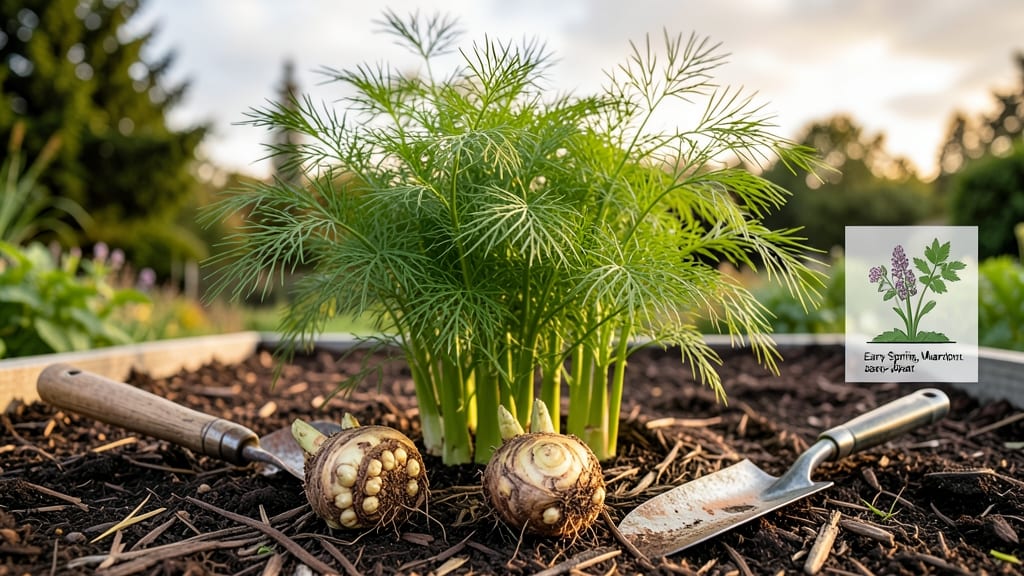
Planting asparagus in Seattle might seem tricky with its cool, damp climate, but timing is everything for those year-round harvests you’ve been dreaming of. The Pacific Northwest’s mild winters and wet springs actually work in your favor if you know when to get those crowns in the ground.
Most gardeners here swear by early spring planting—think March to April—when soil temperatures hover around 50°F and the risk of frost has passed. But did you know Seattle’s microclimates can shift that window by weeks?
Urban areas might need to wait until late April, while rural spots could start as early as February.
Whether you’re planting crowns or seeds, the key is preparing your soil with plenty of organic matter to drain that excess moisture. I’ll walk you through the exact steps to set up your asparagus bed for success, plus how to adjust for Seattle’s unpredictable weather patterns.
Ready to grow your own spears? Let’s break down the best planting times, soil prep secrets, and care tips to turn your garden into a year-round asparagus powerhouse—no matter where in Seattle you live.
Best months to plant asparagus in Seattle’s unique climate
Seattle’s cool, damp climate (USDA Zone 8a) might make you hesitate about growing asparagus, but the Pacific Northwest’s mild winters actually work in your favor. Unlike tropical plants, asparagus thrives in cooler temperatures and well-draining soil, making it perfect for Seattle gardens.
The key is timing—planting too early risks frost damage, while waiting too long delays your first harvest.
For best results, aim to plant 1-year-old asparagus crowns in early spring, between March and April. This window aligns with Seattle’s last frost date (March 15) and ensures soil temperatures are at least 50°F (10°C), ideal for root establishment.
Crowns (not seeds) are the preferred method in Seattle because they skip the slow germination phase and produce spears 2-3 years faster.
If you’re eager to start earlier, February can work for protected plantings (like raised beds with row covers), but avoid planting before mid-February unless you’re using a heat mat to warm the soil. Late April is also a secondary window if your soil stays cold longer due to microclimate variations (more on that later!).
Seattle’s high rainfall (about 37 inches annually) means you’ll need to amend your soil to prevent waterlogging. Asparagus roots rot in soggy soil, so mix in compost and sand to improve drainage.
A slightly raised bed (6–12 inches high) can also help if your yard has clay-heavy soil, which is common in parts of Seattle.
Here’s the golden rule for Seattle asparagus planting: Soil temperature > 50°F (10°C) + no frost in forecast. Use a soil thermometer to confirm—cold soil delays growth and increases disease risk. If your soil is still chilly in late April, wait until early May to plant.
🌱
🌱 Seattle Asparagus Planting Summary
| Stage | Action | Seattle-Specific Tip |
|---|---|---|
| Soil Prep | Test pH (6.5–7.5), amend with compost | Add sand if soil is clay-heavy (common in West Seattle) |
| Planting Window | March–April (primary), February/May (secondary) | Avoid planting before March 15 (last frost risk) |
| Soil Temp | ≥50°F (10°C) | Use a soil thermometer—cold soil = slow growth |
| Planting Depth | 8–12 inches deep in trenches | Deeper = more spear production in Year 3+ |
| Spacing | 12–18 inches apart | Tighter spacing = shadier conditions (reduce yield) |
| First Harvest | Year 3 (April–June) | Wait until soil warms to 60°F (15°C) for best spears |
💡 Pro Tip: Mulch with 6 inches of straw after planting to retain heat and moisture—critical in Seattle’s wet springs!
Seattle’s microclimates can shift planting timing by 2–4 weeks. For example, urban areas (like Capitol Hill) may have warmer soil due to pavement heat, while Eastside regions (like Bellevue) often see earlier last frosts.
If you’re unsure, plant 2–3 weeks later than the recommended window—it’s better to wait than risk frost damage to tender crowns.
One common mistake in Seattle is overwatering after planting. While asparagus loves moisture, soggy soil leads to root rot. Water deeply but infrequently—aim for 1–2 inches per week—and always water in the morning to reduce fungal risks.
A drip irrigation system is ideal for Seattle’s consistent rainfall.
Remember, asparagus is a perennial, meaning it will produce spears for 10–15 years if cared for properly. The first 2 years are all about root and crown
How Seattle’s microclimates affect asparagus planting timing
Seattle’s diverse microclimates can shift your asparagus planting window by 4-6 weeks, depending on where you live. Urban areas like Ballard or Fremont often stay cooler and wetter longer, while Eastside neighborhoods (Bellevue, Kirkland) warm up faster due to less marine influence.
Even a 5-mile difference can mean the difference between planting in late March and waiting until mid-April.
Coastal regions near Shoreview or West Seattle experience more wind exposure and slower soil warming, while inland spots like Redmond or Sammamish benefit from earlier frost-free conditions. This means your neighbor’s perfect planting time might not work for your garden—soil temperatures can vary by 10°F or more just blocks apart.
Here’s how to adjust your planting schedule based on Seattle’s key microclimates:
| Microclimate | Soil Warmth | Best Planting Window | Key Adjustments |
|---|---|---|---|
| Urban (Ballard, Fremont) | Slower warming | Late March–April | Wait for soil to reach 50°F; use black plastic mulch |
| Eastside (Bellevue, Kirkland) | Warmer, dries faster | February–early March | Plant earlier; monitor for drought |
| Coastal (West Seattle, Shoreview) | Cool, windy | April–early May | Use windbreaks; plant deeper trenches |
| Inland (Redmond, Sammamish) | Warmer, faster drainage | Late February–March | Add organic matter for moisture retention |
If you’re unsure about your microclimate, dig a 6-inch hole and check soil temperature with a thermometer—plant only when it hits 50°F consistently. In urban areas, soil can stay cold until mid-April, while Eastside gardens might be ready by late February.
Pro tip: Use a soil warming blanket in cooler zones to speed up germination.
Wind is another critical factor, especially near Puget Sound. Strong coastal winds can dry out young plants, so consider windbreaks like tall grasses or shrubs if your garden is exposed. Inland areas may face summer drought stress, so plan for drip irrigation during dry spells.
No matter where you plant, mulching heavily with straw or wood chips will help regulate soil temperature and moisture—critical for Seattle’s unpredictable springs. With these adjustments, you’ll maximize your asparagus yield whether you’re in rainy West Seattle or sunny Bellevue.