
Plants
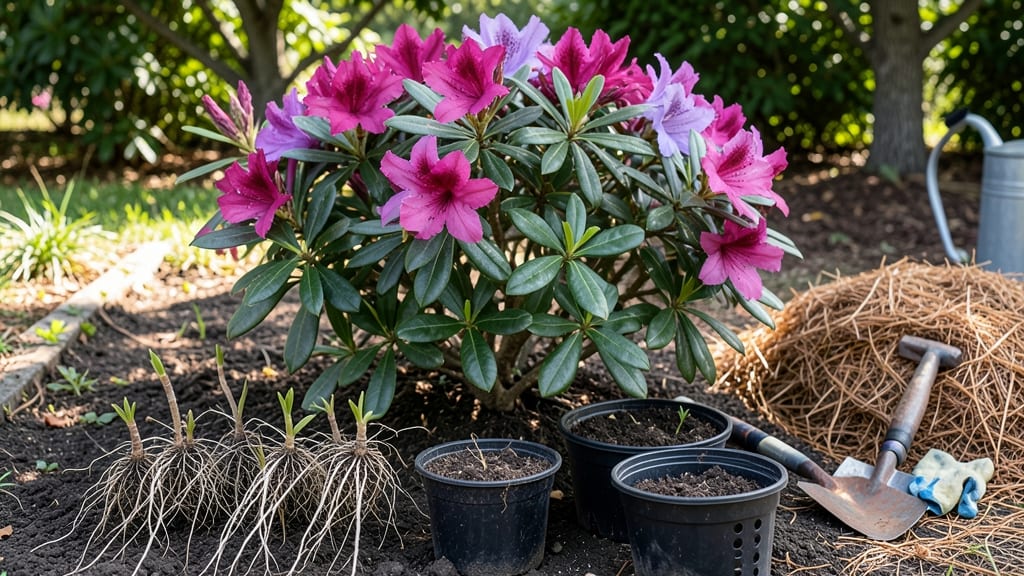
Timing your azalea planting in Arkansas can make the difference between a thriving 🌸 shrub and one that struggles to survive the first winter.
The key isn't just picking a season—it's understanding how Arkansas's chill-hour zones (like 7a-8b) interact with your local frost dates to create the perfect window for root establishment.
Most gardeners in Arkansas know spring planting works, but early fall (September-October) offers a critical advantage: cooler temperatures and consistent rainfall help young roots settle before winter dormancy. This is especially important for native varieties that need time to adjust to Arkansas's acidic soils and partial shade conditions.
I've seen firsthand how a poorly timed planting can leave azaleas vulnerable to winter burn or summer stress. In this guide, I'll break down the exact month-by-month schedule that works for your specific zone, plus soil prep tricks and common mistakes that even experienced gardeners overlook.
Whether you're planting a single shrub or a full garden bed, you'll learn how to give your azaleas the best possible start—so they reward you with bold blooms year after year without the guesswork. Let's get those roots in the ground the right way.
Arkansas azalea planting zones: chill-hours & best regions
Arkansas spans USDA Zones 7a–8b, creating a perfect climate for azaleas—but not all varieties thrive equally. The key factor? Chill-hours, which determine whether your azaleas will bloom reliably. Northern Arkansas (Zones 7a–7b) needs 800–1,000 chill-hours, while Southern Arkansas (Zones 8a–8b) only requires 400–600 chill-hours.
Choosing the wrong variety can mean fewer blooms or no blooms at all.
For Northern Arkansas, opt for Exbury hybrids like 'Girard’s Pink' or 'Hino Crimson', which handle colder winters. In Central Arkansas (Zones 7b–8a), Southern Indica azaleas such as 'Oconee' or 'Hush Puppy' shine.
Meanwhile, Southern Arkansas gardeners can grow Knaphill hybrids like 'George L. Taber' or 'Southern Charm', which need fewer chill-hours.
Timing matters just as much as variety. Azaleas planted in early fall (September–October) have 6–8 weeks to establish roots before winter, while spring plantings (March–April) avoid frost but risk summer heat stress.
Let’s break down the best planting zones and their ideal varieties to ensure your azaleas bloom like wildfire every spring.
| Zone | Chill-Hours | Best Varieties | Planting Window | Frost Risk |
|---|---|---|---|---|
| 7a–7b (North AR) | 800–1,000 | Exbury Hybrids ('Girard’s Pink') | Sep 15–Oct 15 | High (Nov 1) |
| 7b–8a (Central AR) | 600–800 | Southern Indica ('Oconee') | Sep 1–Nov 1 | Moderate (Nov 15) |
| 8a–8b (South AR) | 400–600 | Knaphill Hybrids ('George L. Taber') | Sep 15–Nov 10 | Low (Dec 1) |
If you’re in Zone 7a, like in the Ozark Mountains, avoid late fall plantings—frost can damage tender roots. Instead, focus on September plantings to give roots time to harden off.
For Zone 8b areas, such as Little Rock or Hot Springs, you’ve got a longer window, but don’t wait past November 1st—roots need time to establish before winter dormancy.
Another critical factor is soil pH. Azaleas thrive in acidic soil (pH 4.5–6.0). Arkansas’s natural soils are often alkaline, so test your soil before planting. If your pH reads higher than 6.5, amend with sulfur or peat moss to create the ideal growing conditions.
Without this adjustment, your azaleas may yellow leaves or fail to bloom.
For container-grown azaleas, timing shifts slightly. Since pots dry out faster, plant 4–6 weeks earlier (mid-August) to ensure roots establish before winter. Use a well-draining, acidic potting mix and place containers in a protected spot if frost threatens.
This is especially important for urban gardeners in Little Rock or Fayetteville, where microclimates can vary dramatically.
Native Arkansas azaleas, like the Flame Azalea (Rhododendron calendulaceum), are excellent choices for low-maintenance gardens. They’re adapted to local conditions and often require less supplemental care. Pair them with evergreen shrubs like boxwoods to create a year-round colorful landscape.
Remember, azaleas planted in fall often outperform spring plantings because they establish roots before summer heat. But if you miss fall, don’t despair—early spring (March) is your second-best option. Just be prepared to water deeply and mulch heavily to protect young plants from drying winds.
🌸
Fall planting schedule for Arkansas azaleas: week-by-week guide
Fall planting gives your azaleas a critical head start in Arkansas, where cooler temperatures and natural rainfall create perfect conditions for root growth. The ideal window runs from mid-September to mid-November, but your exact timing depends on whether you're in North, Central, or South Arkansas.
I'll walk you through the precise schedule for each month, including soil prep and watering adjustments to ensure your azaleas thrive before winter dormancy.
In North Arkansas (Zone 7a), aim to plant by October 15 to avoid early frost risks. Central Arkansas (Zone 7b) has a slightly longer window until November 1, while South Arkansas (Zone 8a-8b) can extend planting until mid-November.
The key is to give roots 6-8 weeks to establish before the ground freezes—this means no last-minute November plantings in colder microclimates.
- 🌱 Mid-September: Prepare soil with peat moss or pine bark to lower pH to 5.0-6.0. Dig holes twice as wide as the root ball.
- 🌿 Late September: Plant Southern Indica varieties (like 'Hershey's Red') in North/Central AR. Water deeply immediately after planting (1-1.5 gallons per plant).
- 🍂 October: Focus on Exbury hybrids (e.g., 'Girard's Pink'). Apply 2-3 inches of mulch (pine straw or oak leaves) to retain moisture and insulate roots.
- 🌡️ Early November: Only plant in South Arkansas (Zone 8b). Reduce watering to bi-weekly as temps drop below 50°F.
- ❄️ Mid-November: Stop planting in all zones. Protect young plants with burlap wraps if frost is forecasted.
Your first step in September is soil preparation. Azaleas demand acidic, well-draining soil—test your pH and amend with sulfur or aluminum sulfate if it's above 6.0. I recommend mixing in 50% native soil with 50% peat moss or composted pine needles to mimic their natural woodland habitat.
This isn't just about pH; the texture must allow water to drain while retaining moisture.
Watering becomes your biggest ally after planting. For the first 4-6 weeks, soak the root zone deeply every 5-7 days—aim for 1-1.5 gallons per plant. Use a soaker hose or drip irrigation to avoid wetting the foliage, which can invite fungal diseases like powdery mildew.
In late October, shift to morning watering only to prevent overnight moisture buildup as temperatures drop.
Mulching in October is a game-changer for Arkansas azaleas. Apply 2-3 inches of organic mulch (like pine straw or shredded bark) around the base, but keep it 2 inches away from the trunk to prevent rot.
This mulch layer acts as insulation, protecting roots from winter temperature swings that can cause root heave. I've seen azaleas in Zone 7a survive winters with 10°F dips thanks to proper mulching—something I never achieved without it.
By November, your focus shifts to winter prep. If you've planted late in the month, apply a thicker mulch layer (3-4 inches) and consider wrapping young plants in burlap or frost cloth if your area experiences hard freezes.
Avoid fertilizing after September 15, as new growth won't harden off before winter. Instead, let your azaleas enter dormancy with strong root systems—they'll reward you with vibrant spring blooms and fewer pests next season.