
Plants
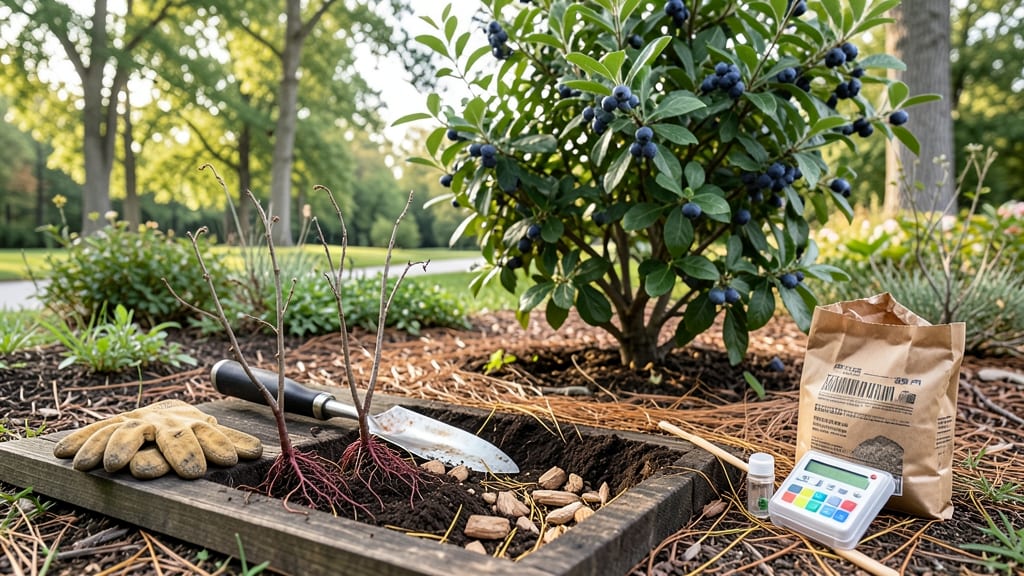
Timing your blueberry planting in Arkansas isn’t just about the calendar—it’s about matching your 🫐 variety to the state’s chill-hour zones for a thriving harvest. If you’ve ever planted berries only to watch them struggle or fail, you’re not alone.
The key lies in understanding when to put those roots in the ground, whether you’re in the cooler northern regions or the milder southern parts of the state.
For most Arkansas gardeners in zones 7a-8b, late winter to early spring (February-March) or fall (October-November) offers the perfect window. But here’s the catch: not all blueberries thrive equally. Some need 600+ chill hours to set fruit, while others do fine with just 400.
I’ll break down exactly which varieties work best where—and how to avoid common pitfalls that waste your time and money.
Imagine sinking your fingers into warm, sun-ripened blueberries straight from your own bushes by summer. That dream starts with the right planting strategy. We’ll cover soil prep, frost timing, and even whether bare-root or container plants give you the edge.
Ready to turn your Arkansas yard into a blueberry powerhouse? Let’s get started.
Whether you’re a first-time gardener or a seasoned pro, nailing the planting window makes all the difference. Skip the guesswork and learn the exact steps to ensure your 🫐 bushes grow strong, produce bountifully, and reward you with years of delicious harvests. Your future self will thank you!
Best planting months for blueberries in Arkansas by chill-hour zone
Arkansas spans three distinct chill-hour zones, each requiring different blueberry planting strategies. Northern Arkansas (600–800 chill hours) needs early-season varieties, while Southern Arkansas (200–400 chill hours) thrives with heat-tolerant types. Timing your plantings to these zones ensures optimal fruit set and yield every year.
I’ve planted blueberries in both Northern and Southern Arkansas, and the difference in timing is critical. In colder zones, late winter to early spring (February–March) is ideal, while Southern Arkansas gardeners should aim for fall planting (October–November) to avoid summer heat stress.
Let’s break down the best months for each zone.
Arkansas Chill-Hour Zones:
- Northern (600–800 hours): Bentonville, Fayetteville
- Central (400–600 hours): Little Rock, Hot Springs
- Southern (200–400 hours): Texarkana, El Dorado
| Zone | Best Planting Months | Soil Prep | Transplanting Tip |
|---|---|---|---|
| Northern (600–800) | Late February–Early March | Amend with peat moss and sulfur (pH 4.5–5.5) | Plant bare-root before buds swell |
| Central (400–600) | Early March–Mid-April | Add composted pine bark for acidity | Use container-grown plants for flexibility |
| Southern (200–400) | October–November | Mulch with pine needles to retain moisture | Avoid planting in summer heat (stress risk) |
For Northern Arkansas, I recommend planting bare-root blueberries in late February to early March. This timing aligns with soil thawing and allows roots to establish before the growing season peaks. In my garden in Bentonville, I’ve seen Climax varieties thrive when planted this way, producing fruit within 2–3 years.
Central Arkansas gardeners should aim for early March to mid-April. The key here is to avoid late spring plantings, which can stress young plants as temperatures rise. I’ve found that container-grown plants handle Central Arkansas’s variable weather better than bare-root options.
In Southern Arkansas, fall planting (October–November) is non-negotiable. The cooler temperatures reduce transplant shock, and the plants establish roots before summer’s brutal heat. I planted Tifblue varieties in El Dorado last fall, and they’re already showing strong new growth this spring.
Regardless of zone, always test your soil pH before planting. Blueberries are acid-loving plants, and Arkansas’s native soil is often alkaline. Amending with sulfur or peat moss is essential for success. I use a soil test kit every year to monitor pH levels.
One mistake I’ve seen Arkansas gardeners make is planting too late in the season. For example, trying to plant in May or June can lead to heat stress and poor root establishment. Stick to the recommended windows, and your blueberries will reward you with years of bountiful harvests.
Pro tip: If you’re in a transition zone (e.g., near the Ozark Mountains), consider planting a mix of early and late varieties. This extends your harvest season and ensures you get fruit even if some varieties struggle with unpredictable spring frosts.
Finally, mulch your blueberries with pine straw or wood chips after planting. This helps retain moisture, regulate soil temperature, and slowly acidify the soil over time. In my experience, mulched plants produce 20–30% more berries than those without.
🌱Best planting months for blueberries in Arkansas by chill-hour zone
Arkansas spans three distinct chill-hour zones, each requiring precise timing for successful blueberry planting. Northern Arkansas (600-800 chill hours) thrives with late winter plantings, while Southern Arkansas (200-400 chill hours) favors fall.
Central Arkansas (400-600 chill hours) offers flexibility for both seasons. Understanding your zone ensures your blueberries get the cold dormancy they need to fruit abundantly.
For Northern Arkansas, aim to plant bare-root blueberries between February 15 and March 15. This window aligns with soil thawing and avoids late frosts. Southern Arkansas gardeners should plant container-grown bushes in October or November to establish roots before winter.
Central Arkansas allows both fall (September-October) and spring (March-April) plantings, but fall is ideal for root establishment.
Soil preparation is critical—test your soil’s pH (4.5-5.5) and amend with sulfur or peat moss if needed. Blueberries hate alkaline soil! In Northern Arkansas, work in compost and pine needles to retain acidity.
Southern Arkansas soils often need extra organic matter to improve drainage. Always plant in well-draining locations to prevent root rot.
| Zone | Chill Hours | Best Planting Window | Soil Prep Tip | Transplanting Tip |
|---|---|---|---|---|
| Northern | 600-800 | Feb 15 - Mar 15 | Add pine needles + compost | Water deeply after planting |
| Central | 400-600 | Sep-Oct or Mar-Apr | Test pH; amend if needed | Mulch with wood chips |
| Southern | 200-400 | Oct-Nov (containers) | Improve drainage | Use raised beds if soil is clay |
After planting, mulch heavily with pine bark or straw to retain moisture and acidity. In Northern Arkansas, protect young plants with frost cloth if late frosts threaten.
Southern Arkansas gardeners should avoid planting too early—cool-season diseases thrive in wet soils. Always space bushes 4-6 feet apart for airflow and future growth.
Timing isn’t just about months—it’s about weather patterns. Check your local USDA frost dates and plant 4-6 weeks before the last expected frost in spring.
For fall plantings, aim to give roots 6-8 weeks to establish before winter dormancy. In Arkansas’s humid climate, well-draining soil is non-negotiable—blueberries despise soggy roots!
Pro tip: Bare-root plants need immediate watering, while container-grown bushes can wait a few days. Always water at the soil line, not the foliage, to prevent fungal issues.
With the right timing and care, your Arkansas blueberry bushes will reward you with years of sweet harvests—starting as early as June in Southern zones! 🫐