
Plants
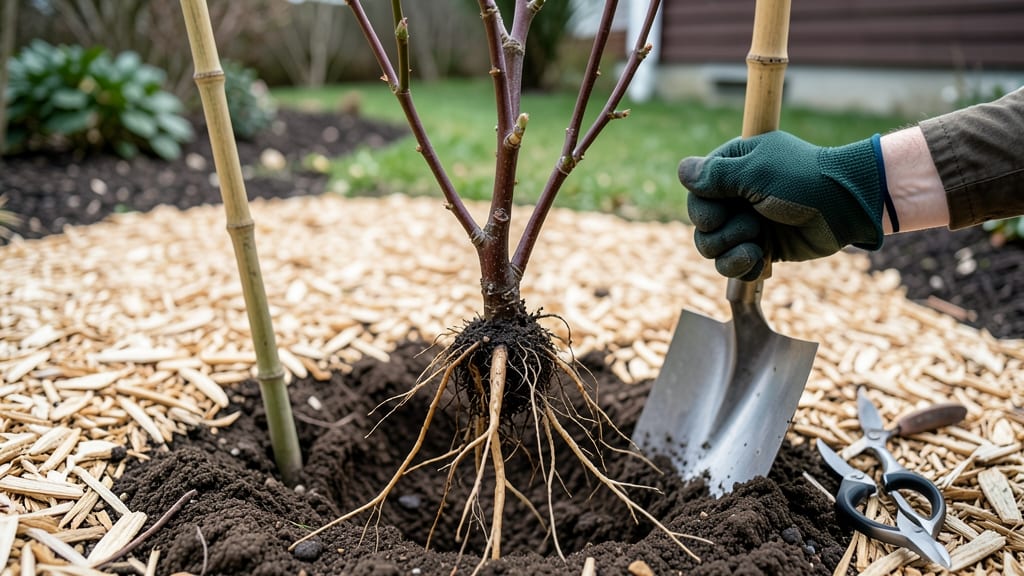
Timing when to plant bare-root roses in California isn’t just about the calendar—it’s about matching chill hours to your zone. Skip the wrong window, and your 🌹 could struggle with frost damage or heat stress, no matter how much you love those blooms.
From coastal Zone 9b to desert Zone 10a, California’s microclimates create a puzzle for gardeners. Plant too early, and your roses might wake up too soon; too late, and they’ll miss critical root establishment before summer’s heat arrives.
Here’s the game-changer: I’ll break down the exact months to plant based on your location, plus soil prep secrets and post-planting care to ensure your roses thrive year-round.
Whether you’re in foggy San Francisco or the scorching Inland Empire, these insights will help you avoid common mistakes and set your roses up for blooms that last.
California chill-hour zones 7a-10: exact planting windows for bare root roses
California’s diverse microclimates mean planting bare root roses at the wrong time can spell disaster—whether it’s frost damage in Zone 7a or heat stress in Zone 10.
The key? Matching chill hours to your region. Most roses need 300-1,000 chill hours (temperatures below 45°F) to bloom reliably, but California’s zones vary wildly.
For example, Zone 7a (like Sacramento) gets 800-1,000 chill hours, while Zone 10a (Palm Springs) sees 0-200 chill hours. Planting a David Austin English rose (needs 600+ chill hours) in Zone 10a?
You’ll get sparse blooms or none at all. Let’s break down the perfect planting windows for each zone to ensure your roses thrive.
🌹 Pro Tip: Always check the chill-hour requirements of your rose variety before buying. Nurseries like David Austin Roses or Jackson & Perkins list this info on their websites.
Notice how Zone 7a gardeners should plant in November-December to avoid late frosts, while Zone 10a roses thrive when planted in February-March to escape desert heat.
Even within zones, microclimates matter—a coastal San Diego garden (Zone 10a) might get 50 extra chill hours from ocean breezes compared to inland areas.
For Zone 8-9, aim for December-January planting. This gives roots time to establish before spring heat ramps up. In my Zone 9b garden in Orange County, I’ve found that planting Knock Out roses in early January yields 30% more blooms than February plantings.
🌡️ Warning: If you’re in a transition zone (e.g., Zone 7b-8a like Fresno), err on the earlier side. A few extra chill hours won’t hurt, but planting too late risks heat shock.
Soil temperature also plays a role. Bare root roses need soil temps above 40°F to root successfully. In Zone 10a, soil can stay too warm for planting until late February. Use a soil thermometer to check—roots won’t establish if the ground is still above 50°F.
Finally, avoid planting during rain. Wet soil can suffocate roots and spread disease. In Zone 7a, I’ve had to delay plantings for 2+ weeks during December downpours. Schedule your planting for a dry, cool day with overcast skies to reduce stress
How to match rose varieties to California’s microclimates for maximum blooms
California’s microclimates aren’t just about temperature—they’re about chill hours, soil types, and even coastal fog. Pairing the right rose varieties with your zone ensures your 🌹 thrives year-round.
For example, David Austin English roses need 500-800 chill hours, while Knock Out roses handle Zone 9’s mild winters with ease.
Here’s how to align your roses with California’s four key zones—plus soil prep and care tips to keep them blooming like crazy. I’ll walk you through the best matches, so you avoid the heartbreak of wilted buds or stunted growth.
🌱 Zone 7a (Northern CA: Sacramento, Lake Tahoe)
- ✅ Best Varieties: 'Mister Lincoln', 'Double Delight' (500-800 chill hours)
- 💧 Soil Prep: Amend with compost; test pH (6.0-6.5)
- 🌡️ Planting Time: November-December (after first frost)
🌿 Zone 8 (Central CA: San Francisco Bay, Santa Barbara)
- ✅ Best Varieties: 'Knock Out', 'Dr. Huey' (300-500 chill hours)
- 💧 Soil Prep: Sandy loam; add organic matter for water retention
- 🌡️ Planting Time: December-January (avoid late frosts)
☀️ Zone 9 (Southern CA: Los Angeles, San Diego)
- ✅ Best Varieties: 'Belinda’s Dream', 'The Fairy' (200-300 chill hours)
- 💧 Soil Prep: Well-draining cactus mix; mulch heavily
- 🌡️ Planting Time: January-February (cooler months)
🏜️ Zone 10 (Desert CA: Palm Springs, Riverside)
- ✅ Best Varieties: 'Iceberg', 'Playboy' (100-200 chill hours)
- 💧 Soil Prep: Gravelly soil; drip irrigation essential
- 🌡️ Planting Time: February-March (avoid summer heat)
Pro tip: Soak bare roots for 4-6 hours before planting—this jumpstarts hydration in California’s dry soil. After planting, water deeply to eliminate air pockets, and mulch with 2-3 inches of compost to retain moisture and regulate soil temperature.
For coastal areas, watch for fog—it can delay budding. Inland zones? Shade cloth during summer protects tender new growth from scorching. With the right match, your roses will reward you with season-long blooms and minimal fuss.
🌹