
Plants
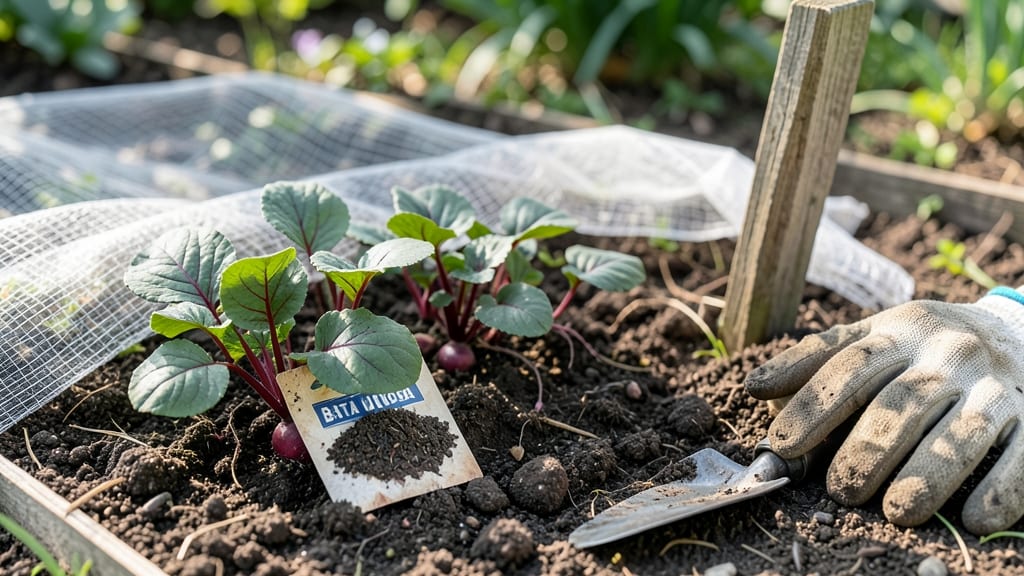
Timing your beet planting in New Jersey can mean the difference between sweet, tender roots and bitter, woody failures. With USDA zones 6a-7b and NJ’s unpredictable spring weather, knowing exactly when to sow seeds is the key to a successful harvest.
Most gardeners in the Garden State plant 🍠 beets twice a year—once in early spring (March 15-April 30) and again in late summer (August 15-September 30). But here’s the catch: Northern NJ’s colder microclimates (like Zone 6a) need a later start than Southern NJ’s milder areas (Zone 7b).
Whether you’re aiming for a June harvest or a fall bounty, I’ll break down the exact frost-free windows and soil temperature thresholds you need to follow. No more guessing—just proven strategies to grow the best beets in your NJ garden.
Ready to dig in? Let’s make sure your beet planting schedule aligns perfectly with NJ’s growing season for maximum success.
NJ planting zones & frost dates for beets: exact timing by region
New Jersey’s USDA zones 6a-7b create distinct planting windows for beets, where a 2-3 week difference between North and South NJ can mean the difference between thriving plants and frost damage.
The key? Aligning your planting with soil temperatures above 45°F and avoiding last frost dates that vary wildly across the state.
For Northern NJ (Zones 6a), like Bergen County, expect your last frost around April 15-20. In contrast, Southern NJ (Zones 7a-7b), including Cape May, often sees frost-free conditions by March 25-April 5.
These dates determine whether you’ll plant beets in late March (South) or mid-April (North) for spring harvests.
Here’s the critical data you need to plan your 🍠 beet planting by region, including soil temperature thresholds and frost-free windows for both spring and fall plantings.
Use these frost-free windows to plan your beet planting for two harvests a year. For spring, aim to have seeds in the ground 2-3 weeks before your last frost date, while fall plantings should occur 8-10 weeks before the first frost to ensure mature roots before cold sets in.
Pro tip: Check soil temperatures with a thermometer—beets thrive when soil is consistently above 45°F. If temperatures dip below this, wait a week or two before planting to avoid stunted growth.
For Northern NJ gardeners, this often means waiting until mid-April, while Southern NJ gardeners can start as early as late March. This regional adjustment ensures your beets grow strong and sweet, not bitter from cold stress.
Remember, succession planting every 2 weeks after your initial sowing will give you a continuous harvest. For example, if you plant your first batch in mid-April, follow up with seeds in late April and early May to extend your harvest through summer.
One common mistake NJ gardeners make is planting too late in spring, leading to bolting (premature flowering) when summer heat arrives. By sticking to these zone-specific windows, you’ll avoid this pitfall and enjoy tender beets all season.
Now that you’ve got your planting timeline locked in, let’s explore whether spring or fall planting yields the sweetest beets in NJ—and how to maximize flavor in both seasons.
Spring vs. fall beet planting in NJ: which season wins for sweetness?
Choosing between spring and fall beet planting in NJ isn’t just about timing—it’s about flavor, pests, and how you’ll use your harvest. Spring-planted beets (March-April) mature faster, giving you tender roots by June-July, while fall plantings (August-September) yield sweeter, deeper-colored beets by October-November.
But which season works best for your garden?
Spring beets are your best bet for early harvests and leafy greens, but they face higher risks from leaf miners and aphids as temperatures rise. Fall plantings, on the other hand, avoid peak pest pressure and often produce more concentrated sugars as cooler weather sets in.
The trade-off? Fall beets require precise timing to mature before first frost (mid-October in most of NJ).
Here’s the key difference: Spring beets prioritize quantity and speed, while fall beets deliver richer flavor and longer storage life. For example, ‘Detroit Dark Red’ thrives in both seasons, but ‘Golden’ varieties often shine in fall due to their sweeter taste when grown in cooler weather.
Spring Planting
- Faster harvest (45-50 days)
- Good for greens
- Lower late-season pests
- Higher aphid risk
- Bolting possible in heat
- Smaller roots in summer
Fall Planting
- Sweeter, deeper flavor
- Fewer pests in late season
- Longer storage potential
- Must plant early enough
- Slower growth in cool soil
- Frost risk if delayed
To maximize your harvest, I recommend planting both seasons—start with spring seeds in late March for early greens, then follow up with fall seeds in mid-August for winter storage.
For Southern NJ (Zone 7b), you can even squeeze in a late-summer planting (July 15) for a mid-fall harvest before frost arrives.
Pro tip: Use row covers in early spring to protect seedlings from late frosts, and mulch heavily in fall to insulate roots and extend the harvest window. With these strategies, you’ll enjoy beets from June through November—no summer gaps!
🌱 Whether you prioritize speed or sweetness, NJ’s climate rewards gardeners who plan for both seasons. Start with spring for quick wins, then double down on fall for that deep, earthy flavor you can’t get any other time of year.