
Plants
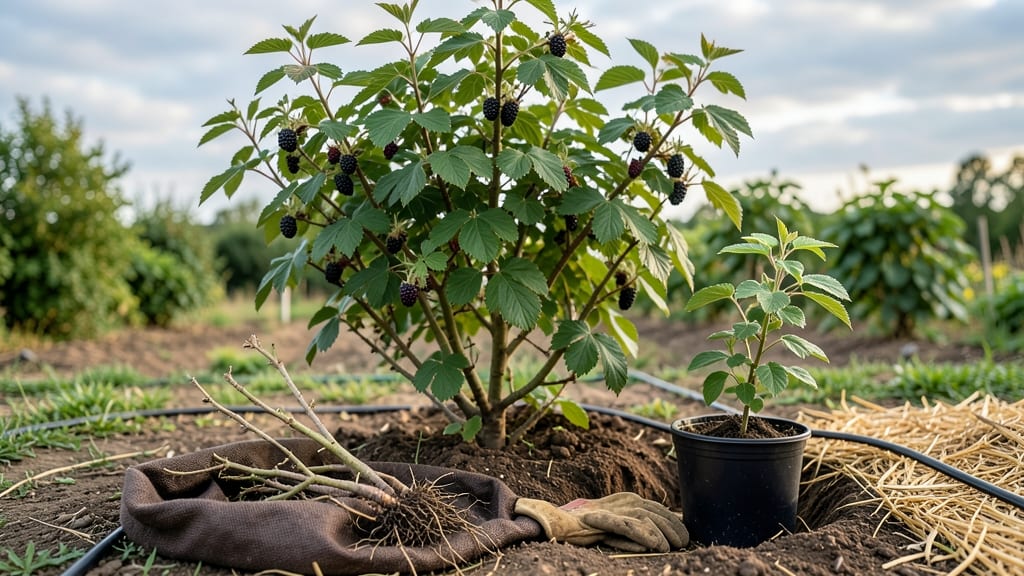
If you've ever dreamed of plucking juicy 🫐 blackberries straight from your Georgia garden, timing your planting could make or break your harvest.
The perfect window for planting blackberries in Georgia isn't just about the calendar—it's about matching your variety to the state's unique chill-hour zones and avoiding those pesky late frosts.
Georgia's mild winters and hot summers create ideal conditions, but planting too early or late can leave your blackberries struggling. Whether you're in Atlanta's cooler microclimate or Savannah's warmer coastal zone, understanding these seasonal nuances is the key to establishing strong roots before summer heat sets in.
In this guide, I'll walk you through the exact months that work best for Georgia gardeners, how to select varieties that thrive in your specific zone, and what pre-planting prep will give your bushes the best fighting chance. Let's get those canes in the ground at just the right time!
You'll discover why fall planting often outperforms spring for Georgia's climate, how to tell when soil temperatures are just right, and what spacing tricks prevent overcrowding as your blackberries grow toward that 6-12 foot mature height. The best harvest starts with the right planting timing!
Best planting months for Georgia blackberries by variety type
Georgia’s Zone 7-8 climate offers two ideal windows for planting blackberries: late winter/early spring (February–March) and fall (September–October). The best choice depends on your blackberry variety—whether it’s fall-bearing (produces once a year) or everbearing (produces twice a year)—and your specific microclimate in Georgia.
Fall planting is my top recommendation for Georgia growers because it allows root establishment before winter while avoiding the heat stress of summer. However, spring planting works well if you’re in southern Georgia (Zone 8), where winters are milder.
Let’s break down the best timing for each variety type to maximize your harvest.
📌 Key Tip: Always plant bare-root canes in Georgia—never container-grown plants. Bare-root canes establish roots faster in Georgia’s warm soil, reducing transplant shock.
| Variety Type | Best Planting Window | Why This Timing? | Georgia-Specific Notes |
|---|---|---|---|
| Fall-Bearing (e.g., 'Natchez', 'Ouachita') | September–October | Roots establish before winter; canes produce fruit on second-year wood. | Ideal for northern Georgia (Zone 7b)—avoids winter dieback. |
| Everbearing (e.g., 'Arapaho', 'Chester') | February–March (spring) OR September (fall) | Produces fruit on first-year and second-year wood; spring planting avoids heat stress. | Best for southern Georgia (Zone 8)—spring planting reduces pest pressure. |
| Primocane-Fruiting (e.g., 'Prime-Ark Freedom') | September–October | Fruits on current season’s canes; fall planting ensures strong root growth. | Top choice for commercial growers—high yield in Georgia’s heat. |
For fall-bearing varieties, like the popular 'Natchez', I always plant in late September. This gives roots 6-8 weeks to establish before Georgia’s first frost (typically late November). In contrast, everbearing varieties like 'Arapaho' can handle spring planting because they produce fruit on both old and new wood.
If you’re in southern Georgia (e.g., Savannah or Macon), spring planting (February–March) works well because winters are milder. However, avoid planting after mid-March—Georgia’s last frost usually hits by then, and new canes won’t survive if exposed to cold snaps.
Pro tip: Soil temperature is critical. Blackberry roots need soil temps between 50–60°F (10–15°C) for optimal growth. Use a soil thermometer to check before planting—Georgia’s spring soil warms quickly, so don’t wait too long!
Once you’ve chosen your variety and timing, prep your soil by amending it with compost and sand (Georgia’s clay soil drains poorly). Blackberries hate soggy roots, so raised beds are a game-changer for heavy clay areas like Athens or Columbus.
After planting, mulch heavily with straw or pine needles to retain moisture and suppress weeds. Georgia’s heat can dry out young canes fast, so drip irrigation is my go-to for consistent watering.
How to match blackberry varieties to Georgia’s chill-hour zones
Georgia’s Zone 7-8 climate creates a perfect growing environment for blackberries, but not all varieties thrive equally. The key to success lies in matching your chosen blackberry type to the chill-hour requirements of your specific microclimate—whether you're in Atlanta’s cooler hills or Savannah’s warmer coastal plains.
Most Georgia gardeners fall into two chill-hour categories: 300-500 hours (low-chill) for southern regions or 500-800 hours (moderate-chill) for northern areas. Choosing the wrong variety can result in poor flowering or no fruit at all, so let's break down the best matches for your location.
For northern Georgia (including Atlanta and the mountains), varieties like 'Arapaho' and 'Natchez' excel with their 500-800 chill-hour needs. These varieties handle the cooler winters better and produce reliably.
In contrast, southern Georgia (Savannah, Macon) should focus on low-chill varieties like 'Ouachita' or 'Chester', which thrive with just 300-500 chill hours.
| Variety | Chill Hours | Best Georgia Regions | Planting Window |
|---|---|---|---|
| Arapaho | 500-800 | North GA (Atlanta, mountains) | Late Feb-Mar or Sept-Oct |
| Natchez | 500-800 | North GA, Piedmont | Late Feb-Mar or Sept-Oct |
| Ouachita | 300-500 | South GA (Savannah, Macon) | Sept-Oct only |
| Chester | 300-500 | South GA, coastal areas | Sept-Oct only |
If you're unsure about your chill hours, check your local Cooperative Extension Service records or use a chill-hour calculator with your winter low temperatures. For example, Atlanta typically accumulates 700-900 chill hours, while Savannah sees only 400-600 hours—this difference explains why some varieties struggle in warmer areas.
Once you've selected the right variety, adjust your planting schedule accordingly. Northern Georgia gardeners can plant in both late winter (February-March) and fall (September-October), while southern Georgia should focus solely on fall planting (September-October) to avoid spring heat stress.
Fall-planted canes establish roots before winter and produce fruit the following year.
Remember that everbearing varieties (like 'Chester') produce fruit on both old and new wood, making them more forgiving about chill hours, while fall-bearing types (like 'Arapaho') need adequate chill to set fruit buds properly.
Matching variety to climate ensures your blackberries will thrive and reward you with juicy, plump berries every season! 🫐