
Plants
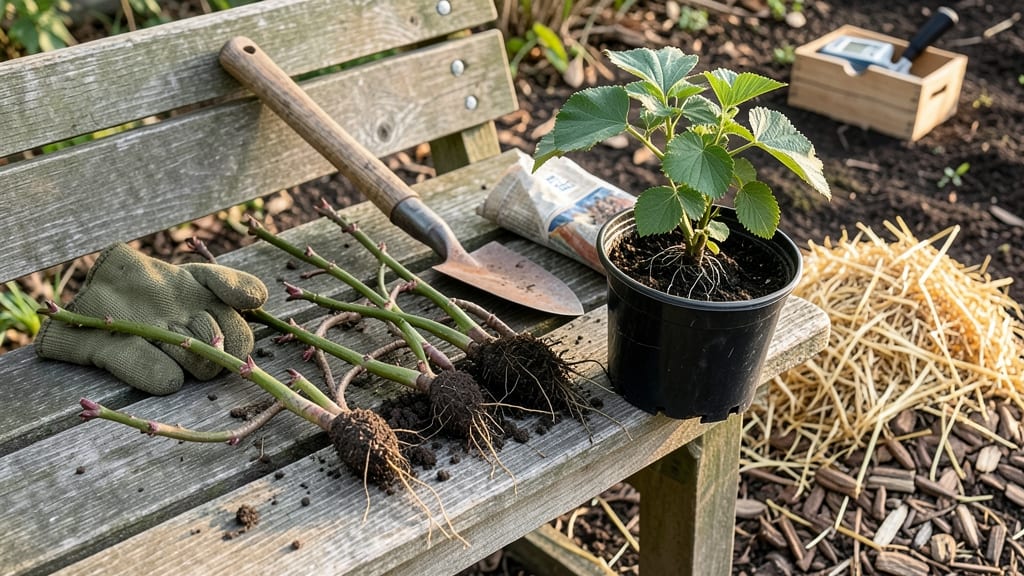
Timing your blackberry planting in Tennessee could make or break your harvest—get it wrong, and you risk frost damage or stunted growth. The ideal window for planting these 🫐 powerhouses is late winter to early spring, but Tennessee’s chill-hour zones (6a-7b) add a layer of complexity most gardeners overlook.
Whether you’re working with bare-root canes or potted plants, knowing when to plant isn’t just about the calendar—it’s about soil temperatures, frost risk, and regional microclimates. East Tennessee’s cooler springs demand earlier prep, while West Tennessee’s milder winters allow for more flexibility.
I’ll break down the exact months that work for your area, plus how to prep your soil for maximum success.
You’ll also discover why planting too early (or too late) can leave your blackberries struggling, and how to adjust for Tennessee’s unpredictable weather patterns. From soil checks to frost protection tips, this guide ensures your blackberries thrive from the first day in the ground.
Ready to grow juicy, productive blackberries? Let’s dive into the planting schedule that actually works for Tennessee’s climate—no guesswork, just results.
Tennessee’s blackberry planting zones: chill-hours & exact months by region
Tennessee’s diverse climate—from the Appalachian Mountains to the Mississippi River Valley—creates distinct chill-hour zones that dictate the best time to plant blackberries. Most of the state falls within USDA Zones 6a to 7b, but chill-hour requirements vary dramatically.
For example, East Tennessee (e.g., Knoxville) needs 800–1,000+ chill hours, while West Tennessee (e.g., Memphis) often gets 500–700 chill hours. This means planting early-season varieties in West Tennessee could lead to poor fruiting if the chill requirement isn’t met.
Blackberries thrive when planted during their dormant period, which aligns with Tennessee’s late winter to early spring (February–March) or fall (September–October) windows. The key is ensuring soil temperatures stay above 40°F—critical for root establishment.
In East Tennessee’s higher elevations, you can plant as early as late January, while West Tennessee gardeners should wait until mid-March to avoid frost damage.
Chill-hour mismatches are the #1 reason Tennessee blackberries fail. For instance, planting ‘Natchez’ (thornless, 300–500 chill hours) in Nashville (Zone 7a, ~700 chill hours) will work, but ‘Triple Crown’ (800+ chill hours) might struggle in Memphis (Zone 7b, ~600 chill hours). Always match your variety to your local chill-hour zone—check the UT Extension’s chill-hour map for precise data.
| Region | USDA Zone | Chill Hours | Best Planting Window | Recommended Varieties |
|---|---|---|---|---|
| East Tennessee (e.g., Knoxville) | 6a-7a | 800–1,000+ | Late Jan–Early March | ‘Triple Crown’, ‘Chester’, ‘Arapaho’ |
| Middle Tennessee (e.g., Nashville) | 7a-7b | 600–800 | Mid-Feb–Mid-April | ‘Natchez’, ‘Ouachita’, ‘Apache’ |
| West Tennessee (e.g., Memphis) | 7b-8a | 500–700 | Late Feb–Early April | ‘Arapaho’, ‘Navajo’, ‘Choctaw’ |
*Thornless varieties like ‘Natchez’ adapt better to lower chill zones.
Fall planting (September–October) is ideal for Tennessee gardeners because it allows roots to establish before winter while avoiding summer heat stress. However, bare-root canes must be planted before the ground freezes—typically by November 1st in most regions.
If you miss this window, wait until early spring (February) when soil temperatures rise above 40°F. Pro tip: Use a soil thermometer to confirm—roots won’t activate until the soil hits this threshold.
Microclimates play a huge role in Tennessee. For example, valley areas (like the Cumberland Plateau) can be 2–3 weeks warmer than nearby hills, delaying frost. Conversely, urban heat islands in cities like Nashville may push planting windows 1–2 weeks earlier due to warmer microclimates.
Always scout your specific site for 3–5 years to track frost patterns before planting.
Soil preparation is non-negotiable. Tennessee’s clay-heavy soils (common in West TN) and acidic mountain soils (East TN) require amendments. Aim for a pH of 5.5–6.5 and mix in 2–3 inches of compost or well-rotted manure before planting.
Add a 1-inch layer of mulch (straw or pine needles) to retain moisture and regulate soil temperature—critical for root development in Tennessee’s fluctuating springs.
Thornless blackberries (like ‘Natchez’ or ‘Ouachita’) are gaining popularity in Tennessee due to their ease of harvest and urban-friendly growth habit. These varieties thrive in lower chill zones (300–500 hours), making them perfect for West and Middle Tennessee.
However, they still need 6–8 hours of full sun daily—a common oversight
Step-by-step blackberry planting schedule for Tennessee’s climate
Tennessee’s variable climate means your blackberry planting schedule should align with soil temperatures and frost risk—not just the calendar. For most of the state (USDA zones 6a-7b), the ideal window is late winter to early spring, but East Tennessee’s cooler microclimates may need earlier prep.
Here’s my month-by-month guide to planting blackberries in Tennessee without risking frost damage.
Start by checking soil temperatures—they must stay above 40°F for at least 24 hours before planting. Use a soil thermometer (or press your finger into the ground; if it feels cool but not freezing, it’s ready).
In West Tennessee, this often aligns with mid-February to early March, while East Tennessee gardeners should wait until late March to avoid late frosts.
📅 Tennessee Blackberry Planting Timeline
Soil temp check: Aim for 40°F+. Plant bare-root canes in well-draining soil with 2-3 inches of compost mixed in. Use row covers if frost is forecasted.
Best time for East/Middle TN. Plant potted blackberries after last frost (typically mid-March). Space thornless varieties 3-4 ft apart; thorny types need 6-8 ft for airflow.
If you missed February-March, plant in early April but use black plastic mulch to warm soil faster. Avoid planting after April 15—summer heat stress can stunt roots.
For established plants, fall planting works if done 6-8 weeks before first frost. Soil temps should be 50°F+. Mulch heavily with straw to protect roots.
After planting, prioritize consistent moisture—blackberries need 1-2 inches of water weekly (more during fruit set). In Tennessee’s heat, water early morning to prevent fungal diseases like botrytis. I also recommend installing a drip irrigation system to keep foliage dry, which reduces mildew risk.
Pro tip: If you’re in a urban Tennessee garden with limited space, opt for container-grown blackberries like ‘Arapaho’ or ‘Natchez’. These thrive in 5-gallon pots and can be planted as late as May if you use heat-resistant fabric to shield roots.
Just ensure pots have drainage holes and use a lightweight potting mix.
Finally, mark your planting dates on a garden calendar—Tennessee’s unpredictable weather means you’ll want to track frost alerts and adjust watering as seasons shift. With this schedule, your blackberries will establish strong roots before summer’s heat sets in, setting you up for a bountiful harvest in June-August.