
Plants
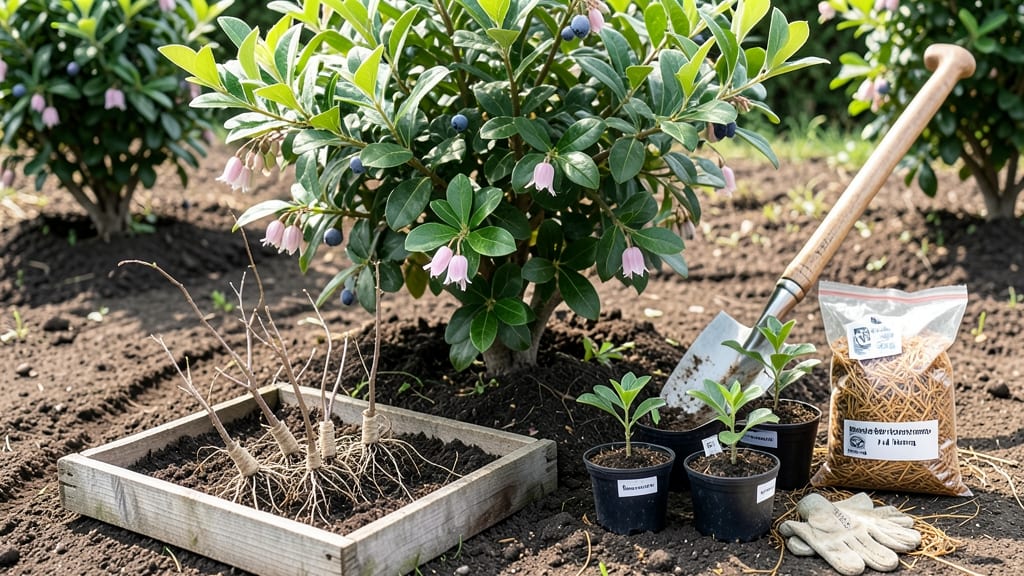
Planting blueberries in Indiana at the wrong time could mean years of waiting for sweet 🫐 harvests—or worse, no fruit at all.
The key isn’t just avoiding frost; it’s matching your variety’s chill-hour needs to Indiana’s Zone 6b climate, where 400–1,000+ hours of winter cold determine whether your bushes will thrive.
Most gardeners in Indiana get this wrong by planting too late in spring or ignoring soil acidity—but the real secret is timing it with late April to early June (after last frost) or September to October for fall planting.
I’ll break down exactly which window works best for your chosen variety, so you can skip the guesswork and start harvesting by mid-July.
Why does this matter? Because blueberries are picky—they need acidic soil (pH 4.5–5.5) and the right chill hours to set fruit. Get it right, and you’ll enjoy juicy berries for years; get it wrong, and you’ll be stuck with leafy bushes that never bear fruit. Let’s fix that.
In this guide, I’ll walk you through the exact planting schedule for Indiana’s climate, the best varieties for your zone, and how to prep your soil so your blueberries don’t just survive—they thrive. No more wasted seasons.
Best planting months in Indiana for blueberries (chill-hours explained)
Indiana’s Zone 6 climate creates a unique opportunity for growing blueberries, but timing is everything. Unlike many plants, blueberries thrive when planted in either early spring or fall, with chill-hour requirements dictating the best approach.
Most varieties need 400–1,000 chill-hours (temperatures below 45°F) to produce fruit, and Indiana’s winter reliably delivers. The key is planting when soil temperatures are 40–50°F—not too cold to stunt roots, but cool enough to avoid summer heat stress.
For spring planting, aim for late April to early June, after Indiana’s average last frost date (April 15). This gives young roots time to establish before summer heat. However, if you miss this window, fall planting (September–October) is your next best bet.
Fall-planted bushes have 6–8 weeks to root before winter, reducing transplant shock. Just avoid planting too late—October 15 is Indiana’s first frost risk date, and new roots won’t tolerate freezing.
Here’s the critical rule: Never plant blueberries in late spring (June–July). The heat and drought stress young plants, and they may not survive winter. Also, soil pH (4.5–5.5) must be tested before planting—blueberries are acid-loving and won’t thrive in alkaline soil.
Amend with peat moss or sulfur if needed, and mulch heavily to retain moisture and acidity.
| Planting Window | Soil Temp | Chill-Hours Needed | Key Consideration |
|---|---|---|---|
| Late April–Early June | 40–50°F | 400–1,000+ | After last frost; water deeply |
| September–October | 50–60°F | 400–1,000+ | Before first frost; mulch heavily |
| Avoid June–July | N/A | N/A | Heat stress kills young roots |
🌱 Pro Tip: Test soil pH before planting—blueberries won’t grow in alkaline soil!
If you’re planting in fall, focus on northern Indiana (Zone 5b), where winters are colder. Varieties like ‘Duke’ or ‘Jersey’ handle 800+ chill-hours well, while southern Indiana (Zone 6b) can support ‘Bluecrop’ or ‘Patriot’, which need 400–600 chill-hours.
For container growing, fall planting is riskier—young roots may not survive winter in pots. Use black plastic mulch to insulate soil and reduce frost heave.
One common mistake is assuming all blueberries are created equal. Southern-highbush varieties (e.g., ‘Top Hat’) need only 300–400 chill-hours and can fruit in Indiana’s milder winters, but they’re less cold-hardy. Northern-highbush varieties (e.g., ‘Bluecrop’) thrive in Indiana’s climate but require 600–1,000 chill-hours.
Check your variety’s label—planting the wrong type in your zone means no fruit for years.
After planting, water deeply for 2 weeks to encourage root growth. In spring, apply a balanced acid fertilizer (10-10-10) when buds swell, and in summer, mulch with pine needles or wood chips to maintain acidity.
Prune in late winter to remove dead wood and open the canopy for airflow—this prevents fungal diseases like botrytis, which loves Indiana’s humid summers.
Indiana’s 165 frost-free days give blueberries plenty of time to mature, but early spring frosts can damage flowers. Plant late-blooming varieties like ‘Patriot’ to reduce risk. If a frost hits during bloom, cover bushes with frost cloth at night.
With the right timing and care, your blueberries will reward you with harvests from mid-July to early September—just in time for pancakes (or preserves, if you prefer)! 🫐
Best planting months in Indiana for blueberries (chill-hours explained)
Indiana’s Zone 6b climate gives you two prime windows to plant blueberries: late April to early June (after last frost) or September to October for fall planting. The key difference? Chill-hours—the number of hours below 45°F your variety needs to fruit.
Most Indiana-friendly varieties require 400–1,000+ hours, and planting at the wrong time can delay fruiting by years.
Spring planting is ideal if you choose varieties like ‘Duke’ or ‘Bluecrop’, which thrive in Indiana’s climate. Wait until soil temperatures hit 40–50°F and the last frost has passed (typically April 15).
Fall planting, however, gives roots time to establish before winter, but avoid planting too late—October 15 is your cutoff before the first frost.
| Season | Best Months | Soil Temp | Key Consideration |
|---|---|---|---|
| Spring | Late April–Early June | 40–50°F | After last frost; choose high-chill varieties |
| Fall | September–October | 50–60°F | 6–8 weeks before first frost; roots establish before winter |
For spring plantings, aim for late April if you’re in southern Indiana or early May for northern areas. This timing aligns with soil warming and reduces frost risk.
Fall plantings should happen by mid-October to allow roots to grow before winter dormancy. Pro tip: Mulch heavily in fall to insulate roots and retain moisture.
Indiana’s 400–1,000 chill-hour range means you can grow both low-chill (e.g., ‘Top Hat’) and high-chill (e.g., ‘Patriot’) varieties. Low-chill types fruit faster but may produce smaller yields. High-chill varieties need Indiana’s winters to trigger blooming, so choose based on your patience and desired harvest size.
One mistake I see often is planting too late in spring (June or later). Blueberries planted after June 1 may not fruit until their third or fourth year because they’re still establishing roots.
Fall plantings, on the other hand, can fruit in 2 years if given proper care. The secret? Acidic soil (pH 4.5–5.5) and consistent moisture.
To test your soil’s readiness, grab a pH test kit from your local nursery. If your soil is too alkaline, amend it with peat moss or sulfur before planting. Blueberries are not forgiving—they’ll refuse to fruit in the wrong conditions.
But get the timing and soil right, and you’ll be picking juicy, homegrown blueberries by mid-July. 🫐