
Plants
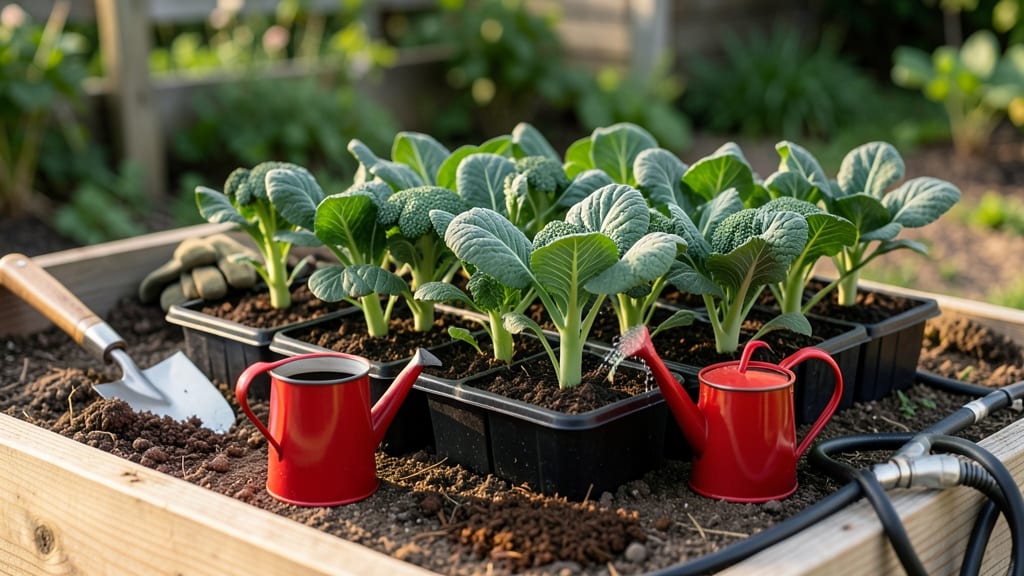
Figuring out when to plant broccoli in Zone 8b can feel like solving a puzzle—get the timing wrong, and you might end up with bitter, bolted 🥦 instead of a crisp, flavorful harvest.
The key lies in understanding your local climate quirks, like Southern California’s coastal breezes versus Arizona’s intense desert sun, and how they affect your broccoli’s growth cycle.
Most gardeners in Zone 8b focus on two prime windows: fall (September–October) for a winter harvest and spring (February–March) to avoid the brutal summer heat.
But here’s the catch—broccoli hates extreme temperatures, so planting too early in spring or too late in fall can turn your crop into a sad, wilted mess. Let me break down the exact dates and strategies to maximize your yield.
You’ll discover which heat-resistant varieties thrive in Zone 8b’s warm climate, how to extend your growing season with shade and mulching, and why spacing matters more than you think.
Whether you’re a beginner or a seasoned gardener, these tips will help you grow broccoli that’s not just edible but downright delicious.
Ready to transform your garden into a broccoli powerhouse? Let’s dive into the specifics—because in Zone 8b, timing isn’t just important; it’s everything.
Optimal planting dates for broccoli in Zone 8b: fall vs. spring strategies
Zone 8b’s mild winters and hot summers create a unique challenge for growing broccoli. Unlike cooler climates, you can’t plant in summer—broccoli bolts (goes to seed) when temperatures exceed 75°F (24°C). Instead, focus on fall and spring plantings to align with cooler months when broccoli thrives.
The key is timing: plant too early in fall, and summer heat sneaks up; too late, and frost arrives before harvest.
For Zone 8b gardens, the sweet spot is September-October for fall crops and February-March for spring. These windows ensure broccoli matures before summer heat or winter frost disrupts growth.
Coastal areas (like Southern California) may extend fall planting slightly later, while inland regions should start earlier to avoid heat stress.
Here’s the breakdown: Fall plantings should begin 4-6 weeks before your first frost (typically mid-October in Zone 8b). For spring, aim for 2-3 weeks before your last frost date (usually mid-February). This timing lets broccoli establish roots while avoiding extreme temperatures.
🌱
| Planting Window | Best Months | Temperature Range | Days to Maturity | Harvest Window |
|---|---|---|---|---|
| Fall Planting | September-October | 50-70°F (10-21°C) | 50-80 days | December-April |
| Spring Planting | February-March | 55-65°F (13-18°C) | 60-75 days | April-June |
| Late Summer (Risky) | August (Coastal Only) | Below 75°F (24°C) | Fast-maturing varieties only | September-October |
Direct sowing is an option, but transplants give you more control in Zone 8b. Start seeds indoors 4-6 weeks before transplanting to harden off seedlings.
For direct sowing, scatter seeds ¼ inch deep and thin seedlings to 12-18 inches apart—this spacing prevents overcrowding and improves air circulation, reducing disease risk.
To extend your harvest, consider succession planting in fall. Sow a second batch 6-8 weeks after your initial planting to stagger maturity. This ensures a continuous supply of broccoli from winter through early spring.
Just be mindful of winter rains, which can cause soil compaction—amend beds with compost to improve drainage.
Another pro tip: Use row covers in late winter to protect young plants from unexpected frost. Zone 8b’s first frost can arrive as early as December, and broccoli is sensitive to cold snaps below 25°F (-4°C).
A lightweight cover raises soil temperatures by 5-10°F (3-6°C), giving your crop a fighting chance.
For coastal Zone 8b gardens, like those in San Diego or Santa Barbara, you can push fall planting slightly later (into early November) thanks to milder microclimates.
Inland areas, however, should stick to mid-October to avoid heat stress. Always check your local USDA frost maps or ask at your county extension office for hyper-local advice.
Finally, don’t forget that soil temperature matters just as much as air temperature. Broccoli seeds need soil that’s 40-85°F (4-29°C) to germinate. Use a soil thermometer to confirm conditions before planting—cool, damp soil speeds up germination, while hot soil can delay it by weeks.
With these strategies, you’ll avoid the pitfalls of Zone 8b’s climate and enjoy homegrown broccoli for months. The secret? Timing, shade, and heat-resistant varieties—we’ll dive deeper into those in the next sections! 🌿
Optimal planting dates for broccoli in Zone 8b: fall vs. spring strategies
In Zone 8b, where temperatures can soar above 90°F in summer, timing your broccoli planting is everything. The sweet spot is fall planting (September-October) for a winter harvest or early spring (February-March) to avoid summer heat stress.
Broccoli thrives in cool weather (50-75°F), so these windows ensure your plants grow strong without bolting prematurely.
For fall crops, aim to plant 4-6 weeks before your first frost (typically around September 15-October 15 in most of Zone 8b). This gives your broccoli enough time to mature before winter sets in.
In spring, plant 2-3 weeks before your last frost date (usually February 15-March 15) to ensure seedlings aren't shocked by lingering cold.
🌱
Zone 8b’s regional microclimates matter—coastal areas like San Diego can plant slightly later due to milder winters, while inland Arizona gardens should start earlier to escape summer heat. Always check your local frost dates and adjust by 1-2 weeks if your area runs hotter or cooler than average.
For extended harvests, try a succession planting strategy: sow seeds every 2 weeks in fall (August-October) or 3 weeks in spring (February-April). This staggered approach ensures a steady supply of broccoli heads throughout the cooler months when your garden isn’t overwhelmed by heat.
Pro tip: If you’re planting in late spring (April-May), use shade cloth (30-50%) to protect seedlings from intense sun. This simple hack can mean the difference between a thriving crop and a bolting disaster.
🌿