
Plants
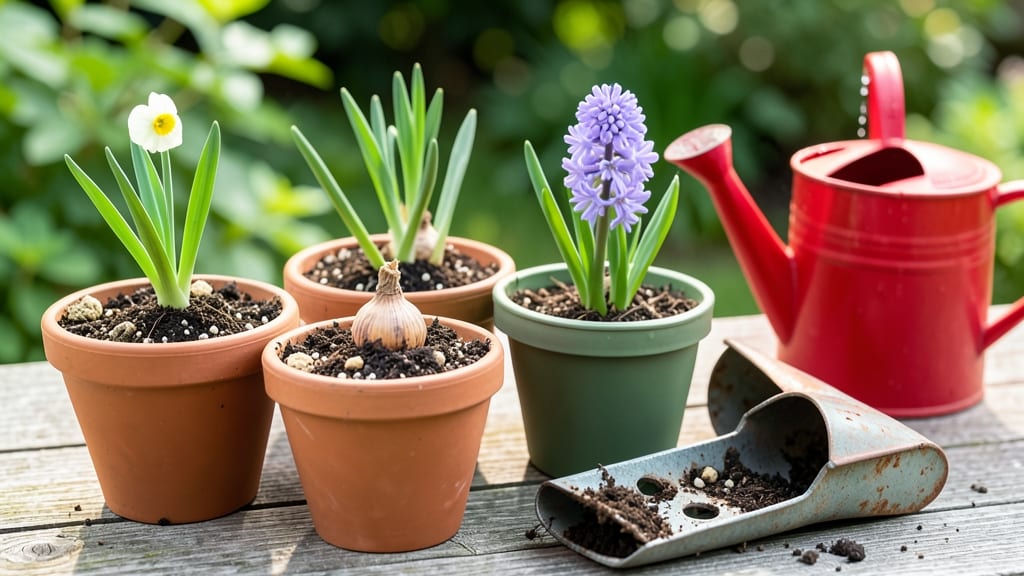
Timing your planting bulbs in pots wrong can mean the difference between vibrant spring blooms and sad, wilted disappointment. Unlike garden beds, containers need extra precision—especially when matching chill hours to your zone.
In Zone 6, where first frost hits around October 15, early fall planting is key for spring bulbs like daffodils and tulips, but late bloomers like crocus have different rules.
Here’s the game-changer: bulbs in pots require 6-8 weeks of chill exposure before sprouting, but container gardening throws a wrench into nature’s schedule. Without proper timing, your bulbs might rot in winter or bloom too early, only to get fried by frost.
The solution? A strategy tailored to your specific bulb types and pot setup.
Whether you’re forcing bulbs indoors for early blooms or prepping outdoor pots for spring, this guide breaks down the exact windows you need. We’ll cover everything from pre-chilling techniques to container drainage hacks, so you can avoid common pitfalls and enjoy zero-frost success—no matter what your hardiness zone.
Ready to transform your pots into a burst of color? Let’s dive into the science of timing, so you can plant with confidence and watch those 🌱 blooms thrive exactly when you want them to.
Chill-hour requirements for popular bulbs in pots: a Zone-by-Zone planting calendar
Planting bulbs in pots requires precision timing based on chill-hour requirements, not just calendar months. Unlike in-ground planting, containers lack natural soil insulation, so bulbs need pre-chilling or strategic timing to trigger dormancy and blooming.
In USDA Zones 3-7, most spring-blooming bulbs (like tulips and daffodils) need 12-16 weeks of cold before sprouting. Zones 8-10 can plant 6-8 weeks earlier since winters are milder.
For fall planting, aim for 6-8 weeks before your first frost date. In Zone 6, that’s typically mid-October. Spring planting is trickier—only hardy bulbs like crocuses or snowdrops tolerate it, and they need immediate chilling afterward.
Let’s break down your best options by bulb type and zone to avoid rot or failed blooms.
🌱 Chill-Hour Guide for Popular Bulbs in Pots
| Bulb Type | Chill Hours Needed | Ideal Planting Window (Fall) | Zone 3-5 | Zone 6-7 | Zone 8-10 |
|---|---|---|---|---|---|
| Tulips | 12-16 weeks of <40°F | 6-8 weeks before frost | Mid-September | Late September | Early November |
| Daffodils | 10-14 weeks of <50°F | 6-8 weeks before frost | Late September | Early October | Mid-November |
| Hyacinths | 14-18 weeks of <45°F | 8-10 weeks before frost | Early September | Mid-September | Early November |
| Crocuses | 8-12 weeks of <50°F | 4-6 weeks before frost | Late October | Early November | December |
| Alliums | 6-10 weeks of <40°F | 6-8 weeks before frost | Mid-September | Late September | Early November |
Note: For spring planting, only crocuses and snowdrops work—plant in early spring and chill immediately afterward.
If you’re in Zone 8-10, your fall planting window stretches later into November because milder temps delay frost. However, bulbs planted too late may not establish roots before winter.
A pre-chilling trick (like refrigerating pots for 8-10 weeks) can extend your window. For Zone 3-5, rush planting in early September ensures bulbs get enough cold before soil freezes.
Pro tip: Use a thermometer to track chill hours. Most bulbs need temps consistently below 40°F for 12+ weeks. If your zone’s winter is too short (like Zone 9-10), opt for pre-chilled bulbs from nurseries or mimic dormancy with a refrigerator.
For indoor pots, timing shifts entirely. Plant fall-blooming bulbs (like amaryllis) in late summer and force them with 10 weeks of darkness before blooming. Spring-bloomers? Plant in late fall and chill immediately—no excuses for missed deadlines.
Mistake alert: Planting tulips in Zone 10 after December? They’ll rot before blooming. Always adjust for your last frost date (check Almanac’s Frost Calculator) and container size. Smaller pots = faster drying = less chill time. Use 5-gallon containers minimum for reliable blooms.
Need flexibility? Hyacinths and daffodils are the most forgiving. They tolerate shorter chill periods and warmer winters better than tulips. For tulips, add mulch (straw or leaves) to insulate pots and extend chill time by 2-3 weeks.
Remember: Bulbs in pots dry out faster than in-ground. After planting, water deeply and reduce watering in winter to prevent rot. Once shoots appear in spring, fertilize lightly with 5-10-10 to encourage blooms—not bulbs.
🌷
How to pre-chill bulbs in pots for early or late planting success
If your hardiness zone doesn’t offer enough natural chill hours—or you’re craving early blooms—pre-chilling bulbs in pots is your secret weapon. Without this step, spring-flowering bulbs like tulips and daffodils may fail to bloom, even if planted at the "right" time.
The goal? Mimic winter’s 40-60°F (4-15°C) conditions for 6-12 weeks, depending on the bulb type.
For example, in Zone 7 or warmer, where winters are mild, tulips need 12-16 weeks of chill to trigger flowering. But in Zone 5 or colder, they might get enough chill naturally—unless you’re forcing them indoors for Christmas blooms.
The key is consistency: bulbs need steady cold, not just occasional frosty nights.
Here’s the step-by-step method I swear by for zero-frost success, whether you’re prepping bulbs for indoor forcing or extending outdoor planting windows:
- Step 1: Plant bulbs in pots with well-draining soil (60% potting mix + 40% perlite/sand). Use containers with drainage holes and plant bulbs 2-3x their height deep.
- Step 2: Water lightly to moisten soil (not soggy). Place pots in a dark, cool location (like a garage or basement) where temps stay 40-50°F (4-10°C).
- Step 3: Monitor moisture—water monthly to prevent drying. Avoid freezing temps (32°F/0°C or below), which can damage bulbs.
- Step 4: After 6-12 weeks (depending on bulb type), move pots to a bright, cool spot (50-60°F/10-15°C) to break dormancy.
- Step 5: Once shoots appear (2-4 weeks later), increase light to 6+ hours/day and water normally to encourage blooming.
For indoor forcing, like holiday poinsettias or Easter lilies, I use a refrigerator trick: place pots in a sealed container with a moist paper towel on the shelf (not the crisper drawer) for 8-10 weeks.
The humidity helps mimic winter moisture levels. Just avoid ethylene gas (like apples) to prevent premature sprouting.
Common mistakes to avoid? Overwatering during chill (leads to rot) or exposing bulbs to fluctuating temps (confuses dormancy signals). Also, never use garden soil—it compacts in pots and suffocates roots. Stick to lightweight mixes with organic matter for best results.
With this method, I’ve forced tulips to bloom in December and extended outdoor planting into late November—all while keeping my pots frost-free. The key? Patience and precision. Your bulbs will thank you with bold, vibrant blooms exactly when you want them. 🌷