
Plants
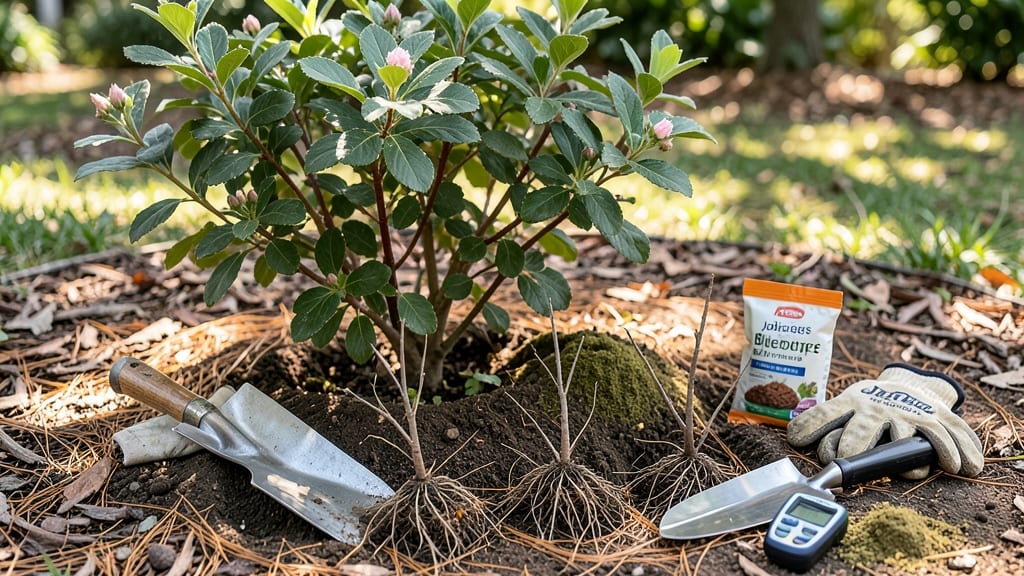
Timing your blueberry planting in Seattle isn’t just about the calendar—it’s about matching your 🫐 bushes to Zone 8a’s unpredictable chill hours and frost risks. Plant too early, and a late frost could wipe out your tender new shoots.
Too late, and your bushes won’t establish strong roots before winter’s chill sets in.
Seattle’s late winter to early spring window (February–April) offers the perfect balance of warming soil and fewer frost threats. But here’s the catch: Southern Seattle (like Ballard) has milder microclimates, while northern areas (like Shoreline) stay cooler longer.
I’ll break down exactly how to adjust your planting schedule based on your neighborhood’s frost patterns.
Whether you’re planting bare-root bushes or container-grown varieties, getting the timing right means faster establishment and bigger harvests in June–August. You’ll also learn how to prep your soil for acid-loving blueberries and protect young plants from Seattle’s infamous 30–45°F late frosts—critical steps most gardeners overlook.
Ready to grow thriving blueberry bushes that actually produce fruit? Let’s dive into the chill-hour secrets and planting hacks that’ll turn your Seattle garden into a berry bonanza—without the guesswork.
Seattle’s best blueberry planting months: chill-hours and frost risk breakdown
Seattle’s Zone 8a climate gives you two prime windows to plant blueberries: late winter/early spring (February–April) and early fall (September–October). The key? Matching your chill-hour requirements (600–900 hours below 45°F) with Seattle’s frost patterns. Most varieties need 600–900 chill hours, which Seattle reliably delivers, but timing still matters.
Spring planting (March–April) is my top recommendation because it lets roots establish before summer heat. Fall planting (September–October) works too, but you’ll need to protect young plants from first frosts (typically mid-November).
The average last frost date in Seattle is March 15, so aim to plant 2–4 weeks before that window for safety.
Here’s the critical detail: Southern Seattle (Ballard, West Seattle) has warmer microclimates with fewer frost risks, while northern areas (Shoreline, Kirkland) face cooler temps and later springs. Adjust your timing accordingly—plant in March for southern zones and April for northern to avoid frost damage.
🌱
For spring planting, I recommend bare-root plants in March once soil temps rise above 45°F. Soak roots in water for 2–4 hours before planting to reduce transplant shock. If you’re in northern Seattle, wait until mid-April to avoid late frosts that can kill tender new growth.
Fall planting in September–October is ideal for container-grown blueberries because they establish roots before winter. However, mulch heavily (3–4 inches) to insulate roots from freeze-thaw cycles. Avoid planting after October 15, as new roots won’t harden off in time for winter.
Pro tip: Use row covers or frost blankets if planting in February or late October. These create a 5–10°F buffer to protect young shoots. I’ve used them successfully in Shoreline to extend the fall planting window by 2 weeks.
🌡️
Seattle’s rainy climate (70+ inches annually) means your soil stays moist, but well-draining conditions are non-negotiable. Amend your soil with peat moss or pine fines to lower the pH to 4.5–5.5.
Test your soil before planting—Seattle’s native soil is often too alkaline (pH 6.5+) for blueberries, which thrive in acidic conditions.
Finally, container planting is a great option for urban gardeners. Use 18–24 inch pots with acidic potting mix and plant in March–April. Containers warm up faster in spring, giving you a 2–3 week head start over in-ground planting. Just ensure pots have drainage holes to prevent root rot.
Seattle’s best blueberry planting months: chill-hours and frost risk breakdown
Seattle’s Zone 8a climate demands precision when planting blueberries—your bushes need 600–900 chill hours (below 45°F) to set fruit, but late frosts can still damage tender new growth.
The sweet spot is late winter to early spring, when soil warms but frost risks drop. Here’s why March–April works best for most Seattle gardens.
Blueberries planted in March get a head start on root growth before summer heat arrives, while April plantings avoid the last frost window (typically around March 15).
Fall planting (September–October) is riskier in Seattle—your bushes may not harden off before winter’s first frost (November 15), leaving them vulnerable to root rot or winter dieback.
| Planting Window | Chill Hours Met | Frost Risk | Root Establishment |
|---|---|---|---|
| March | 600–800 hours | Moderate (last frost possible) | Excellent (6–8 weeks before summer) |
| April | 800–900 hours | Low (frost-free after mid-April) | Very good (established before heat) |
| September–October | Partial (risk of insufficient chill) | High (first frost in November) | Poor (roots may not harden) |
Pro tip: Use row covers if planting in late February—they protect young shoots from 28–32°F dips. For container-grown blueberries, plant in March–April too, but choose larger pots (15+ gallons) to prevent root-bound stress in Seattle’s wet winters.
Southern Seattle (e.g., Ballard, West Seattle) can push plantings to early April thanks to warmer microclimates, while northern areas (e.g., Shoreline, Kirkland) should aim for late March to avoid frost.
Always check your local USDA frost map—Seattle’s urban heat islands can shift frost dates by 1–2 weeks.
Once planted, mulch with pine needles or peat moss to maintain acidic soil (pH 4.5–5.5)—critical for blueberry health. Your bushes will reward you with June–August harvests if you nail the timing and soil prep.
Need a backup plan? Bare-root blueberries planted in late winter establish faster than container-grown ones, but soak roots for 2–3 hours before planting to reduce transplant shock. 🌱