
Plants
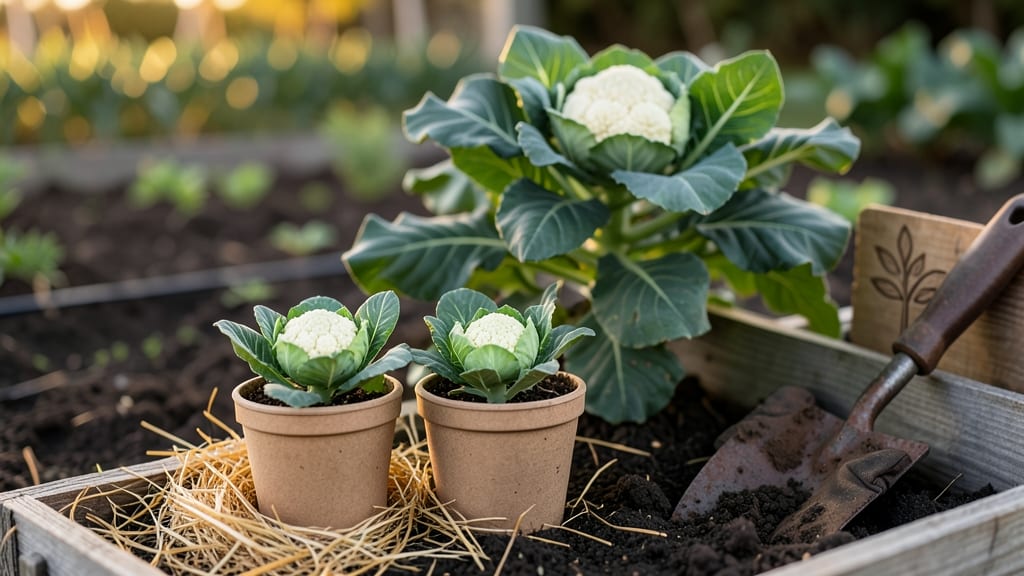
Timing your cauliflower planting in Florida isn’t just about the calendar—it’s about outsmarting the heat. Skip the summer months, and you’ll avoid bolting (yes, that’s when your plants throw a tantrum and flower too soon).
The perfect windows are fall and spring, but even then, Florida’s microclimates mean your neighbor’s success might not match yours.
Picture this: September to October for fall crops, when temperatures dip just enough to let cauliflower thrive, or February to March for spring—both times give you a fighting chance against Florida’s infamous heat spikes.
Coastal areas? You’ve got a slight edge with cooler breezes, but inland gardens need extra shade tricks to keep those heads tight and snow-white.
I’ve grown cauliflower in Florida’s 9a-10b zones, and the key isn’t just the dates—it’s the prep. Well-draining soil, consistent watering (no drought stress!), and the right heat-tolerant varieties make all the difference.
Ready to turn your garden into a cauliflower powerhouse? Let’s break down the exact steps to nail your planting schedule.
From choosing the right variety to adjusting for your specific corner of Florida, this guide covers everything you need to know. No more guessing games—just fluffy, harvest-ready heads by December or May. Let’s get those seeds in the ground the right way.
Optimal Florida cauliflower planting dates by season: avoiding bolting and heat stress
Cauliflower thrives in Florida’s cooler months, but timing is critical to avoid heat stress and bolting. The two ideal windows are fall (September–October) and spring (February–March). These periods align with Florida’s mild temperatures (60–75°F), which prevent premature flowering.
Florida’s USDA Zones 9a–10b mean no frost to worry about, but summer heat (above 85°F) will send cauliflower into bolting mode within days. Even coastal areas (like Miami) can experience heat spikes, so shade strategies are essential. Let’s break down the exact planting dates for each season.
| Season | Start Seeds Indoors | Transplant Outdoors | Harvest Window | Key Tip |
|---|---|---|---|---|
| Fall | Late July–Early August | September 15–October 15 | December–January | Use 30% shade cloth after transplanting if temps exceed 80°F. |
| Spring | January–Early February | February 15–March 15 | May–June | Monitor for aphids in spring; use neem oil if needed. |
🌱 Regional Adjustments: North Florida (e.g., Gainesville) can plant 2 weeks earlier than South Florida (e.g., Miami) due to cooler nights.
For North Florida (e.g., Jacksonville, Tallahassee), aim for September 1–October 31 planting to capitalize on cooler autumn nights.
In Central Florida (Orlando, Tampa), shift to late September–mid-October to avoid early heat spikes. South Florida (Miami, Fort Lauderdale) gardeners should plant October 15–November 15 for fall crops, as coastal breezes delay heat buildup slightly.
If you’re starting seeds indoors, begin 6–8 weeks before transplanting outdoors. Use grow lights or a sunny windowsill to prevent leggy seedlings. Harden off seedlings for 7–10 days before moving them to the garden to reduce transplant shock.
Florida’s spring planting window (February–March) is riskier due to unpredictable heat. Choose heat-tolerant varieties (like ‘Florida 449’) and pair with drip irrigation to maintain soil moisture. Avoid planting after March 15 in most regions, as April heat will quickly stress young plants.
Pro tip: Use a soil thermometer to monitor ground temps. Cauliflower roots thrive in 60–75°F soil. If temps rise above 80°F, provide afternoon shade with a lightweight row cover or shade cloth. This simple step can extend your harvest by 2–3 weeks.
For succession planting, sow a second batch of seeds every 2–3 weeks during your chosen window. This ensures a continuous harvest and reduces the risk of losing your entire crop to heat or pests. For example, plant September 1, September 15, and October 1 for staggered fall harvests.
Remember: Cauliflower is a cool-season crop, and Florida’s climate demands precision. By following these seasonal guidelines and adjusting for your microclimate, you’ll avoid bolting and enjoy crisp, flavorful heads all season long. 🥬
Pro tips to extend Florida cauliflower’s growing season: shade cloth, mulching, and succession planting
Florida’s heat is the real villain when it comes to growing cauliflower. Even with perfect planting dates, a single heatwave can send your crop bolting faster than you can say “southern summer.”
That’s why I’ve mastered a few tricks to protect your plants and stretch the growing season just a little longer. Think of it like giving your cauliflower a cooling vest and a cozy blanket—because in Florida, every little bit helps.
First, let’s talk about shade cloth. If you’re planting in spring or late fall, temperatures can still flirt with the 90s, especially inland. A 30-50% shade cloth draped over your plants can drop temperatures by 10-15 degrees, keeping those heads tight and white. I swear by it—my Florida 449 plants stayed happy under it even when the thermometer hit 92°F. Just
Next up: mulching. A thick layer of straw or wood chips (2-3 inches) acts like a thermal regulator, keeping soil temps steady and moisture locked in. I’ve seen mulch reduce soil temperature swings by up to 10 degrees, which is a game-changer in Florida’s 9a-10b zones.
Plus, it suppresses weeds—double win! Just avoid piling mulch right against the stems to prevent rot. Keep it 2-3 inches away from the base of your plants.
For those who want to maximize yields, succession planting is your secret weapon. Instead of planting all your seeds at once, stagger them every 2-3 weeks during your optimal windows (September-October or February-March).
This ensures a steady supply of harvests and reduces the risk of losing your entire crop to a sudden heatwave. I’ve done this with ‘Snowball Y Improved’, and it’s given me cauliflower from December through January—no gaps!
One mistake I see new gardeners make is overwatering during heat spikes. Cauliflower needs consistent moisture, but soggy soil leads to rot. Water deeply in the morning (before 10 AM) and let the top inch of soil dry out between waterings.
A drip irrigation system is ideal—it delivers water right to the roots without wetting the leaves, which can cause fungal issues in Florida’s humidity.
Finally, don’t underestimate the power of companion planting. Pair your cauliflower with leafy greens like kale or lettuce, which thrive in the same cool conditions. They’ll act as living shade for your cauliflower on hot days while also improving soil health.
Just avoid planting near tomatoes or peppers, which can compete for nutrients and attract similar pests.