
Plants
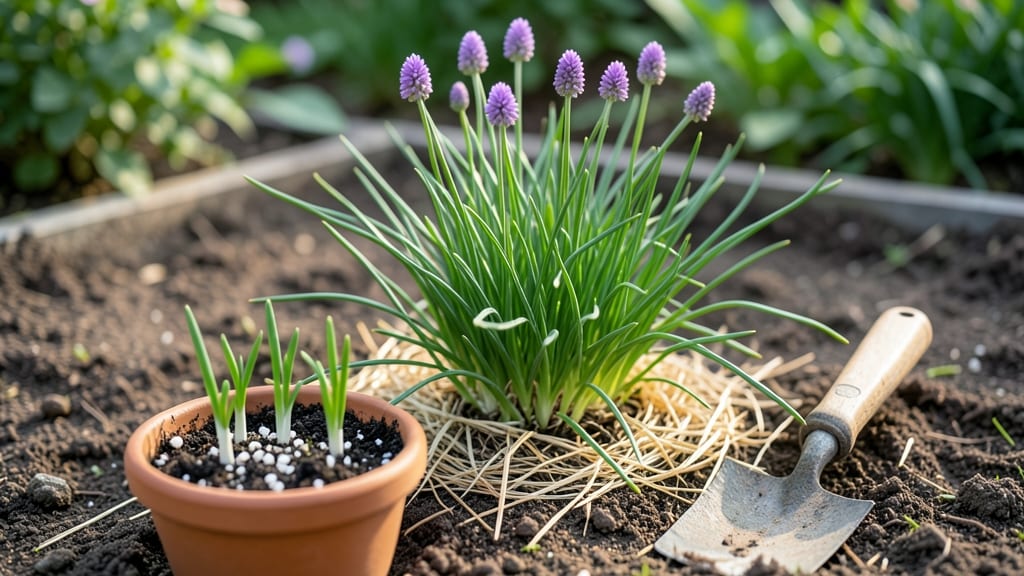
Timing your chives planting in Texas can mean the difference between a thriving garden and a sad, wilted herb—especially when Texas heat can turn your green harvest into a crispy snack in minutes.
If you’ve ever watched your chives 🌿 bolt into flower because of the wrong timing, you know how frustrating it can be.
Here’s the secret: Texas gardeners in zones 8a-10b actually have two prime windows to plant chives—fall and spring—each with its own advantages.
Fall planting lets you beat the summer heat, while spring gives you an early start for those March-April harvests when your taste buds are craving fresh flavors.
But it’s not just about the calendar—soil prep, frost dates, and even your region’s microclimate play a role. Let’s break down the best months for planting chives in Texas, so you can enjoy snips of flavor all year without the guesswork.
Whether you’re a beginner or a seasoned gardener, these tips will help you avoid common mistakes and keep your chives growing strong, no matter where you are in the Lone Star State.
Texas chives planting calendar: month-by-month breakdown for year-round growth
Chives thrive in Texas’s mild winters but struggle with summer heat, so timing is critical. The best planting windows are fall (September-November) and early spring (February-March), aligning with cooler temperatures.
In North Texas (Zone 8a), aim for September 15-October 15 to avoid early frost, while South Texas (Zone 10b) can plant until November 15 with minimal frost risk.
Texas’s three distinct climate zones dictate planting adjustments. Central Texas (Zone 8b-9a) offers a 60-day window from late September to early November, while East Texas (Zone 8a) should plant by October 15 to prevent winter dieback.
Always check your last frost date—chives tolerate 20°F but may suffer if exposed longer.
For year-round harvests, stagger plantings every 4-6 weeks between September and March. This ensures a continuous supply of flavorful chive leaves without gaps. In South Texas (Zone 10a-10b), you can even plant lightly in December for early spring growth, though yields may be smaller.
Here’s your month-by-month Texas chives planting guide, including soil prep and care tips tailored to each zone:
Before planting, amend your soil with compost or aged manure to improve drainage—chives hate soggy roots. In clay-heavy Texas soils, mix in sand or perlite to prevent waterlogging. For container gardening, use a well-draining potting mix with 30% perlite for optimal growth.
Chives prefer 6+ hours of sunlight daily, but in South Texas’s brutal summers, provide afternoon shade (1-3 PM) to prevent bolting. Use lightweight shade cloth (30-50%) or plant near tall perennials like rosemary or lavender for
Texas chives planting calendar: month-by-month breakdown for year-round growth
Texas’s three distinct climate zones (North, Central, South) mean your chives planting schedule should shift depending on where you live. In North Texas (Zone 8a), frost can linger until mid-January, while South Texas (Zone 10b) stays mild year-round.
Even Central Texas (Zone 9a) has microclimates that affect when to plant chives for the best results.
For fall planting, aim for September through November—this gives chives time to establish roots before winter. In spring, February to early March is ideal, letting you harvest by April before summer heat sets in.
Miss these windows, and you might end up with bolted chives or stunted growth.
Here’s how to align your chives planting with Texas’s frost dates and seasonal shifts to maximize your harvest:
| Month | Zone 8a (North TX) | Zone 9a (Central TX) | Zone 10b (South TX) |
|---|---|---|---|
| September | ✅ Best time—plant before heat peaks | ✅ Best time—soil still warm | ✅ Best time—avoid summer stress |
| October | ✅ Best time—cooler temps, less bolting | ✅ Best time—ideal for root growth | ⚠️ Good time—watch for early frosts |
| November | ⚠️ Last chance—before first frost | ⚠️ Last chance—soil cools quickly | ❌ Avoid—risk of frost damage |
| February | ✅ Best time—after last frost | ✅ Best time—soil warms up | ✅ Best time—no frost risk |
| March | ⚠️ Good time—but watch for heat | ⚠️ Good time—harvest by April | ❌ Avoid—bolting likely |
🌱 Pro Tip: In Zone 10b, you can plant chives year-round, but September and February yield the best results.
If you’re in North Texas (Zone 8a), prioritize fall planting in September-October—this ensures your chives survive winter and bolt into spring. Meanwhile, Central Texas (Zone 9a) gardeners can stretch their planting into early November or late February without frost worries.
For South Texas (Zone 10b), the rules relax slightly: you can plant chives any month, but September and February still offer the best balance of temperature and moisture. Avoid planting in summer’s peak heat (June-August), or your chives will bolt prematurely or wilt.
To prepare your soil for chives, amend it with compost or aged manure to improve drainage—chives hate soggy roots. Work in a balanced fertilizer (10-10-10) at planting time, and mulch with straw or shredded leaves to retain moisture.
This prep work makes all the difference in Texas’s variable clay soils.
Once planted, water deeply once a week (more in summer) and watch for purple flowers—a sign your chives are ready for harvest! With this month-by-month guide, you’ll enjoy fresh chives year-round, no matter where you garden in Texas. 🌿